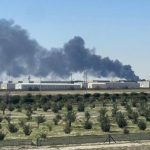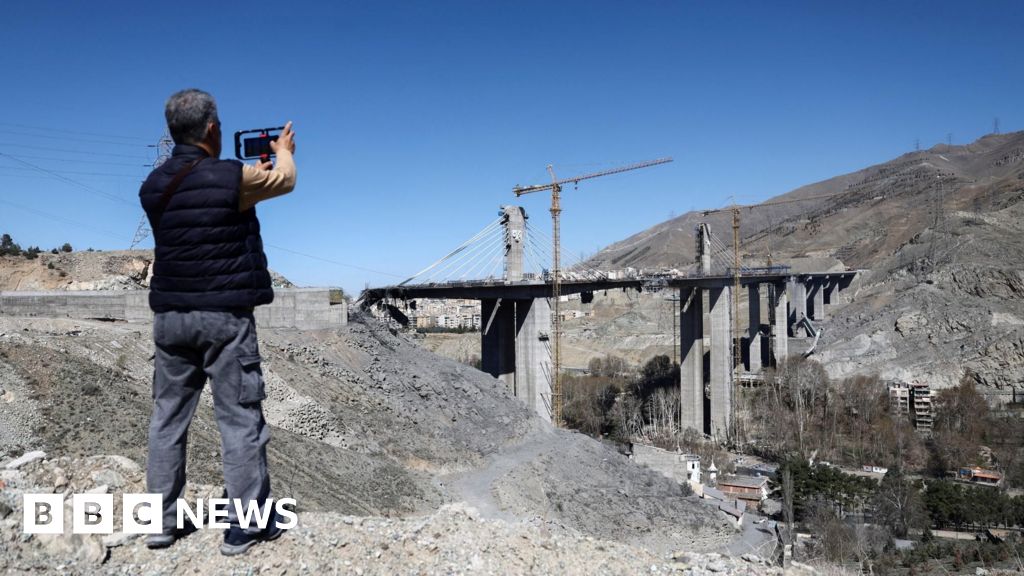

President Trump’s explicit threat to target Iran’s critical infrastructure—specifically bridges and power plants—escalates regional tensions with profound ramifications for MENA’s economic stability and investment climate. The potential for direct strikes on such strategic assets would disrupt regional energy markets, jeopardize cross-border trade corridors, and impose staggering reconstruction costs, reverberating across businesses with exposure to Iranian supply chains and energy-dependent sectors. Sovereign capital in neighboring Gulf states, particularly from Abu Dhabi Investment Authority and Saudi Public Investment Fund, faces heightened risks as geopolitical instability could trigger flight-to-safety behaviors, reallocating capital away from frontier markets to safer havens, further fragmenting already cautious regional investment flows.
For the venture capital ecosystem, such threats inject acute volatility into MENA’s risk calculus, potentially derailing capital deployment in Iran’s nascent tech hubs and adjacent markets like Egypt and the UAE. Startups in logistics, fintech, and energy-tech—infrastructure-dependent verticals—would confront collateral damage from supply chain disruptions and insurance premium spikes, while regional VC funds may pivot toward less geopolitically exposed sectors, dampening innovation momentum. This dynamic could exacerbate the digital divide between Iran and its neighbors, limiting access to essential technologies required for economic diversification and infrastructure modernization.
Crucially, the focus on energy infrastructure underscores fragility in MENA’s integration ambitions. Power grids and transit networks are vital arteries for intra-regional trade under frameworks like the GCC railway and Arab Gas Pipeline, but deliberate targeting would set back infrastructure investments by years, undermining energy security initiatives and long-term connectivity. The aftermath would demand colossal capital inflows for rebuilding, straining public finances and diverting sovereign funds from transformational projects, ultimately stalling MENA’s pursuit of economic resilience and technological self-sufficiency in an increasingly contested region.