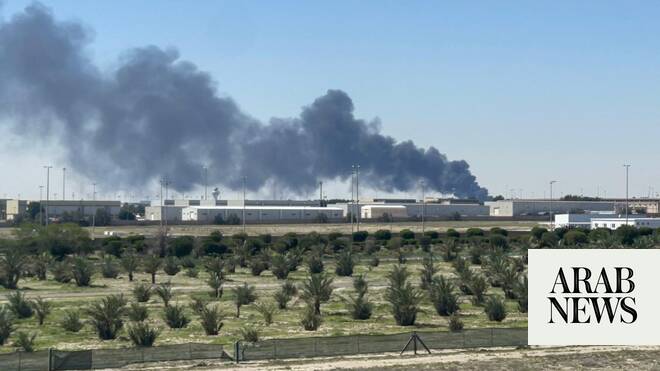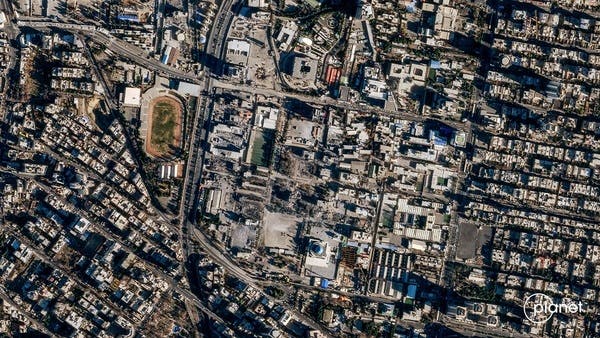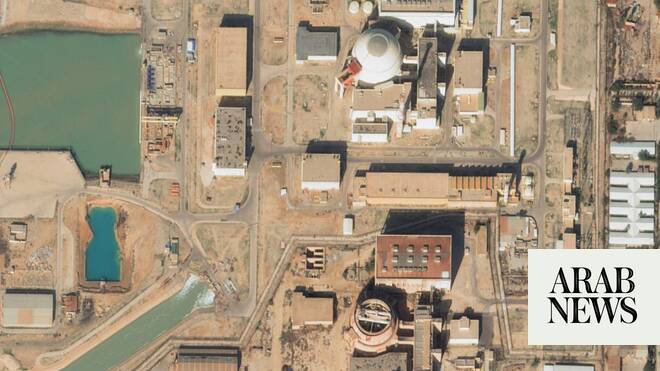

The recent projectile strike near Iran’s Bushehr nuclear facility, coupled with coordinated attacks on petrochemical and cement assets in the southwest, introduces a sharp escalation in geopolitical risk that will reverberate across the region’s capital markets and infrastructure financing. While the International Atomic Energy Agency confirmed the absence of a radiological release, the loss of a site security guard and structural shock‑damage raise immediate concerns for the continuity of Iran’s nuclear power program – a cornerstone of its long‑term energy diversification strategy. Sovereign investors, notably the National Development Fund of Iran and the broader Gulf sovereign wealth community, are likely to reassess exposure to projects that rely on uninterrupted nuclear output, potentially redirecting capital toward lower‑risk renewable and gas‑fired assets in the GCC.
Russia’s rapid mobilization of 198 Rosatom personnel from Bushehr underscores Moscow’s vested interest in safeguarding its technical foothold and the attendant revenue streams from joint‑venture arrangements. The evacuation, the largest of its kind for the plant, signals that Russian state‑linked firms will demand heightened security guarantees before committing further capital to Iran’s nuclear expansion. In practice, this may translate into stricter contractual clauses, increased insurance premiums, and a preference for financing structures that insulate Russian investors from escalation‑related losses, thereby reshaping the risk‑adjusted cost of capital for nuclear projects across the Middle East.
For venture capital and private‑equity funds targeting the MENA energy and industrial sectors, the attacks represent a watershed moment. The disruption of the Special Petrochemical Zone of Mahshahr – a hub that hosts multibillion‑dollar downstream complexes – introduces supply‑chain volatility that could impair export‑linked revenues and erode confidence among foreign limited partners. Consequently, fund managers are expected to pivot toward less geopolitically sensitive opportunities, such as green‑hydrogen pilots in Saudi Arabia and Egypt, or digital infrastructure platforms that support energy logistics, where capital can be deployed with clearer regulatory certainties.
In the broader infrastructure context, the incident is likely to accelerate the Gulf’s push for supply‑chain diversification and on‑shoring of critical inputs, reinforcing initiatives like Saudi Arabia’s “Vision 2030” industrial corridors and the United Arab Emirates’ strategic stockpiling of petrochemical feedstock. Regional banks and multilateral lenders will incorporate heightened geopolitical risk metrics into their underwriting models, potentially tightening credit terms for Iranian counterparts while expanding financing windows for projects that enhance regional resilience. The net effect will be a reallocation of sovereign and private capital toward assets perceived as insulated from proximate conflict, reshaping the MENA infrastructure investment landscape for the foreseeable future.