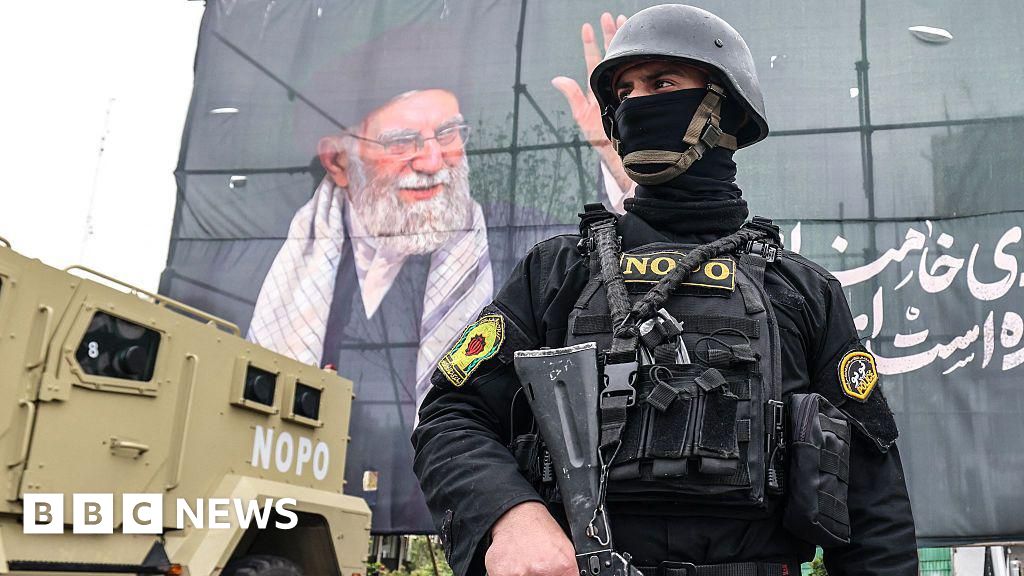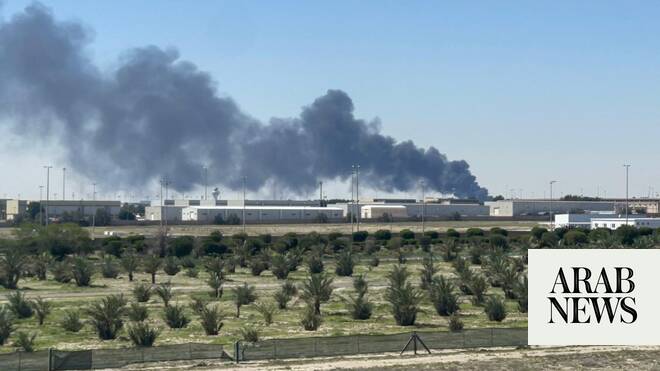

Theunfolding dynamics of the prolonged regional conflict present significant uncertainty for MENA sovereign capital deployment and venture ecosystem trajectories. Strategic ambiguity surrounding conflict duration and objectives complicates risk assessment for regional sovereign wealth funds (SWFs) and sovereign investment entities (SIEs), traditionally positioned as countercyclical capital providers. The imperative to navigate escalating energy prices, disrupted supply chains, and potential geopolitical fragmentation necessitates recalibration of sovereign capital allocation towards more defensive, diversified asset classes and enhanced liquidity buffers, potentially diverting resources from high-growth regional initiatives.
Venture capital activity in the MENA region faces immediate headwinds. The confluence of macroeconomic volatility, heightened risk premiums, and the redirection of institutional capital towards core sovereign assets is constraining the available risk appetite for early-stage and growth-stage investments. Key sectors such as fintech, edtech, and healthtech, already contending with operational challenges, now confront amplified investor caution and potentially delayed fundraising timelines, risking delays in scaling and market entry for promising local ventures.
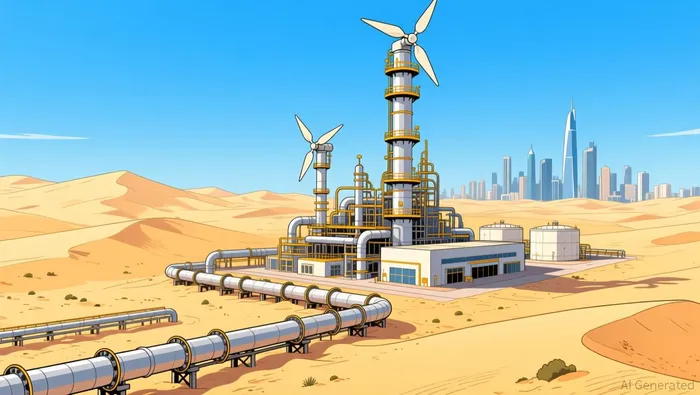
Infrastructure project pipelines, particularly those involving substantial sovereign financing, are under increasing strain. The war’s financial burden amplifies fiscal constraints across MENA governments, forcing difficult trade-offs between critical national infrastructure priorities and security expenditures. This tension threatens the timely execution of high-impact projects crucial for long-term economic diversification and regional connectivity, thereby undermining the very foundations of future growth and investment appeal. The region’s ability to adapt swiftly to these evolving constraints will be paramount in determining its resilience in the medium term.