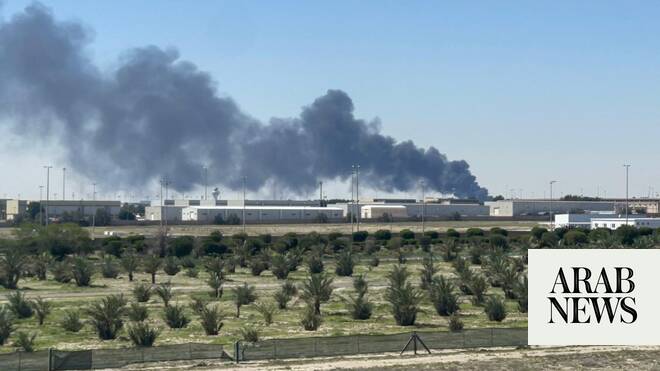

Friday’s coordinated attacks targeting Kuwait’s Mina Al-Ahmadi refinery and a power and water desalination plant, alongside disruptions at Habshan gas facilities in Abu Dhabi and heightened alert levels in Bahrain, represent a significant escalation of geopolitical risk within the MENA region, with potentially profound implications for energy markets and regional investment flows. The targeting of critical infrastructure – particularly desalination facilities – underscores a shift in tactics, moving beyond purely energy-focused targets to encompass essential utilities, thereby increasing the potential for widespread disruption and humanitarian impact. This development necessitates a reassessment of risk premiums across the region, particularly for sectors reliant on stable energy supplies and robust infrastructure.
The business impact extends beyond immediate operational disruptions. Sovereign wealth funds, notably those in Kuwait, UAE, and Saudi Arabia, are substantial investors in both energy and technology sectors globally. This latest series of attacks will likely trigger increased scrutiny of portfolio risk and potentially lead to a recalibration of investment strategies, favoring assets perceived as less vulnerable to regional instability. Venture capital activity, which has seen considerable growth in the UAE and Saudi Arabia, could also be affected, with investors demanding higher returns to compensate for elevated geopolitical risk. Furthermore, the need for enhanced security measures at existing infrastructure will necessitate significant capital expenditure, diverting resources from planned expansion projects and potentially impacting long-term growth forecasts.
The attacks highlight the urgent need for accelerated investment in regional infrastructure resilience. While existing air defense systems demonstrated some effectiveness, the scale and sophistication of the drone attacks suggest a need for enhanced layered defenses, including advanced radar systems, counter-drone technologies, and cybersecurity measures to protect critical control systems. Sovereign capital will likely play a crucial role in funding these upgrades, potentially through partnerships with international defense contractors. Moreover, the incident underscores the importance of diversifying energy sources and developing alternative water supplies to mitigate future vulnerabilities. The region’s ambitious renewable energy targets, already a key pillar of national diversification strategies, now take on even greater strategic importance.
Looking ahead, the response from regional authorities and international partners will be critical in shaping the trajectory of events. A coordinated diplomatic effort, coupled with enhanced security cooperation, will be essential to de-escalate tensions and deter future attacks. The attacks are likely to reinforce the existing trend towards increased military spending across the GCC, further complicating regional dynamics. Ultimately, the long-term economic consequences will depend on the ability of regional stakeholders to demonstrate resilience, safeguard critical infrastructure, and maintain investor confidence in the face of ongoing geopolitical uncertainty.