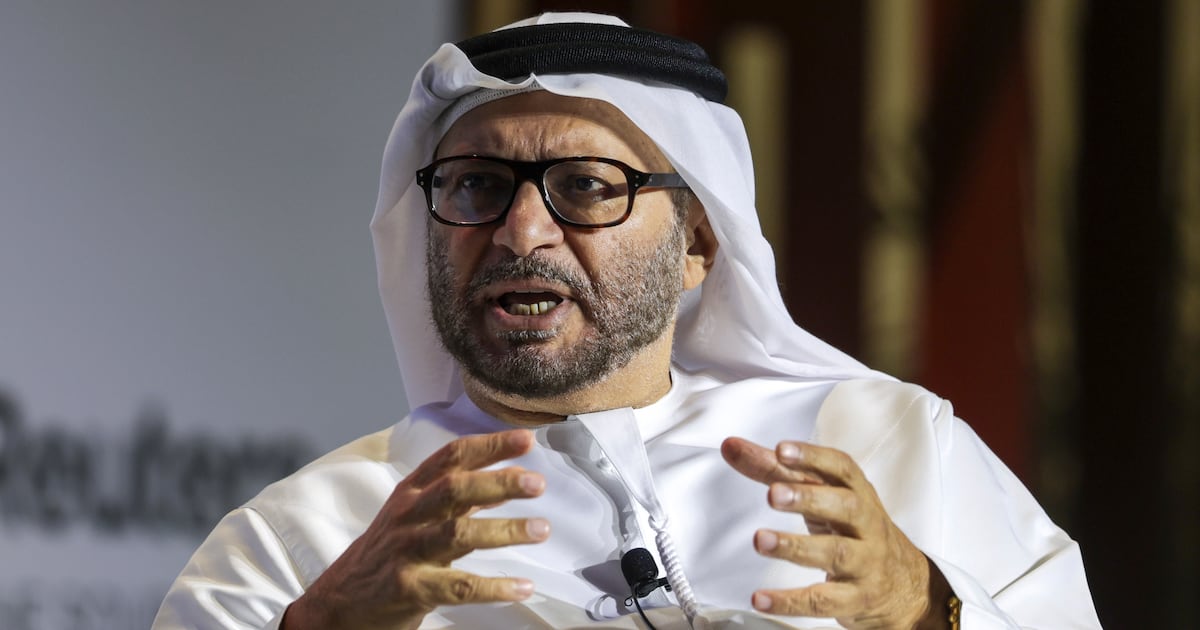

The UAE’s alignment with US security interests has been materially reinforced by Iran’s recent military actions, according to senior diplomatic adviser Dr Anwar Gargash. As missile defense systems have intercepted nearly 3,000 Iranian projectiles since February 28th, Gargash has articulated that Tehran’s belligerent posture is paradoxically strengthening Washington’s strategic foothold in the Gulf – not diminishing it.
This geopolitical realignment carries significant infrastructure and economic implications for the wider MENA region. The United States, as the UAE’s primary security guarantor, is providing “exceptional” air defense capabilities that underscore the financial and technological integration between the two nations. Meanwhile, France has been positioned as a “steadfast partner,” with these security partnerships increasingly viewed as essential cornerstones of Gulf state resilience.
Regional sovereign infrastructure priorities are likely to shift sharply toward advanced defense procurement and integrated missile defense systems, requiring substantial capital allocation from Gulf sovereign wealth funds. Simultaneously, Israel’s anticipated “more prominent” regional role suggests potential expansion of both military cooperation frameworks and commercial technology partnerships in areas such as cybersecurity, AI, and defense innovation. For regional sovereign investment vehicles and technology venture capital ecosystems, this could catalyze new cross-border collaboration models among Gulf states, the United States, and Israel.
Gargash’s characterization of Iran’s regime as fighting “for itself” rather than for the country signals a hardening strategic position that will likely influence capital flows and risk assessments across the region. The UAE’s emphasis on resilience and resourcefulness – identifying its current situation as a “worst-case scenario” while simultaneously asserting confidence in its comeback potential – reflects a calculated message to international investors that Gulf state infrastructure and economies remain underwriting quality assets despite regional volatility.