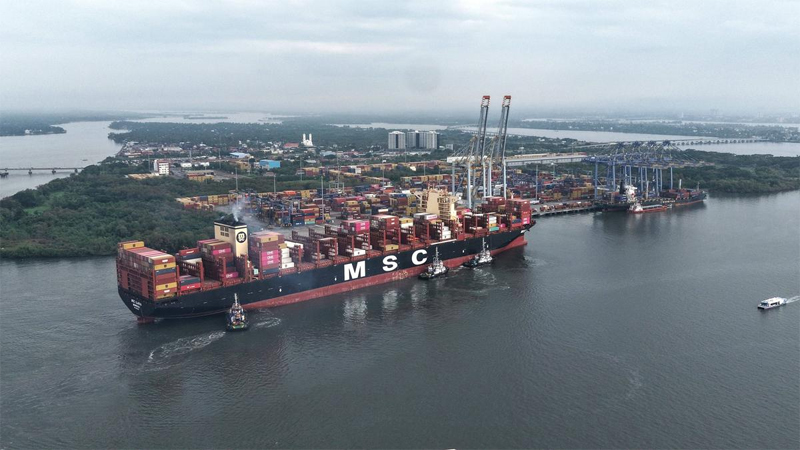

The conflict in the Middle East has exacerbated energy price volatility, directly threatening business sustainability across the MENA region. The surge in diesel costs observed in the UK fishing industry exemplifies how geopolitical instability disrupts operational expenditures, particularly for energy-intensive sectors. In MENA, where sovereign economies remain heavily reliant on hydrocarbon exports and energy imports, such volatility could trigger broader fiscal pressures. Venture capital ecosystems in the region, already navigating post-pandemic capital retrenchment, may face declining liquidity as businesses confront rising input costs and reduced consumer spending. Infrastructure vulnerabilities, particularly in energy logistics and transportation networks, could further compound these challenges, as the closure of chokepoints like the Strait of Hormuz underscores the fragility of supply chains critical to regional agricultural and industrial activity.
Sovereign capital dynamics in MENA are poised for heightened scrutiny amid escalating energy costs. Governments in the region often allocate significant fiscal reserves to stabilize domestic energy prices or fund social safety nets during oil price shocks. However, the current conflict-driven spurt in fuel prices may strain public budgets, diverting sovereign capital away from strategic investments in technology or renewable energy transition initiatives. This could impede long-term economic diversification goals, as venture capital funds—critical for fostering innovation in fintech, agritech, and logistics—may retreat due to perceived short-term risks. The interplay between sovereign fiscal health and VC deployment will be pivotal in determining the region’s ability to maintain technological and infrastructural modernization paces.
Regional infrastructure resilience will be a decisive factor in mitigating the conflict’s economic fallout. Energy infrastructure in MENA, heavily dependent on traditional fossil fuel systems, lacks the diversification needed to absorb similar shocks. The cascading effects observed in fertilizer prices—linked to the disruption of key maritime chokepoints—highlight systemic dependencies on unbroken energy and trade corridors. Immediate investments in alternative energy infrastructure, such as solar or LNG facilities, alongside digital logistics platforms to reduce reliance on vulnerable physical networks, are imperative. Failure to address these gaps risks entrenching energy price sensitivity and stifling venture-driven innovation ecosystems, which are vital for competing in a globalized, low-carbon future. The confluence of sovereign capital constraints, volatile VC activity, and insufficient infrastructure modernization paints a precarious outlook for MENA’s economic stability.