
Recent diplomatic engagements led by Ukrainian President Volodymyr Zelenskyy across the Middle East and North Africa (MENA) region signal a strategic pivot towards bolstering Kyiv’s geopolitical standing and leveraging its hard-won military expertise. Following the escalation of tensions in the Middle East, particularly the US-Israeli conflict with Iran, Ukraine is actively positioning itself as a provider of critical security solutions, notably in the domain of drone and missile defense. This push has significant implications for regional security architecture, potentially influencing sovereign capital allocation towards defense technology and fostering new avenues for international military cooperation.
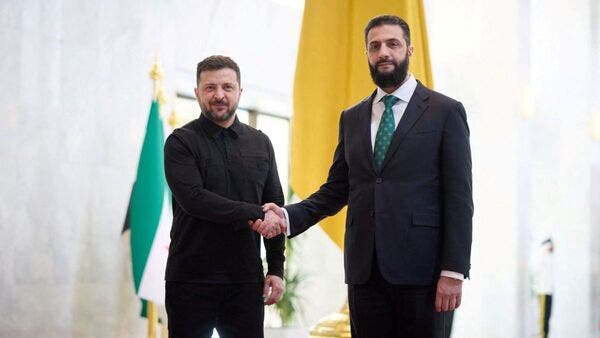
The discussions held with Syrian President Bashar al-Assad highlight a nascent, albeit cautious, alignment. While Syria’s air defenses are currently inadequate against advanced Iranian weaponry, the agreed-upon cooperation on security experience could facilitate future infrastructure development and training programs. This exchange presents an opportunity to channel potential sovereign capital – both domestic and international – into modernizing regional defense capabilities, a crucial factor for long-term stability in a volatile geopolitical landscape. Furthermore, the pursuit of joint opportunities in food security underscores a broader strategic objective beyond military assistance, potentially unlocking further avenues for economic and political partnership.
Beyond Syria, Zelenskyy’s recent meetings with Turkey, Saudi Arabia, Qatar, and the UAE demonstrate a concerted effort to secure long-term military cooperation agreements. These deals, particularly with Gulf states, represent a significant injection of foreign direct investment into Ukraine’s defense sector and signal a willingness among regional powers to invest in advanced military technology. The potential for joint gas infrastructure projects discussed with Turkey further emphasizes the multifaceted nature of these burgeoning partnerships. This influx of capital and technological exchange could have a ripple effect across the MENA region, stimulating private venture capital in defense technology and driving innovation in areas such as cybersecurity and advanced sensing.
The long-term implications of these developments extend to regional infrastructure development. The prospect of transforming Russian military bases in Syria into training centers for the Syrian army represents a potential shift in the regional power dynamic and could pave the way for new economic activities focused on defense logistics and technology transfer. While geopolitical complexities remain, Ukraine’s proactive engagement in the MENA region is reshaping security alliances and investment flows, with substantial consequences for the region’s future economic and military trajectory. The success of these initiatives will depend on sustained diplomatic efforts and the willingness of regional stakeholders to embrace new forms of security cooperation.