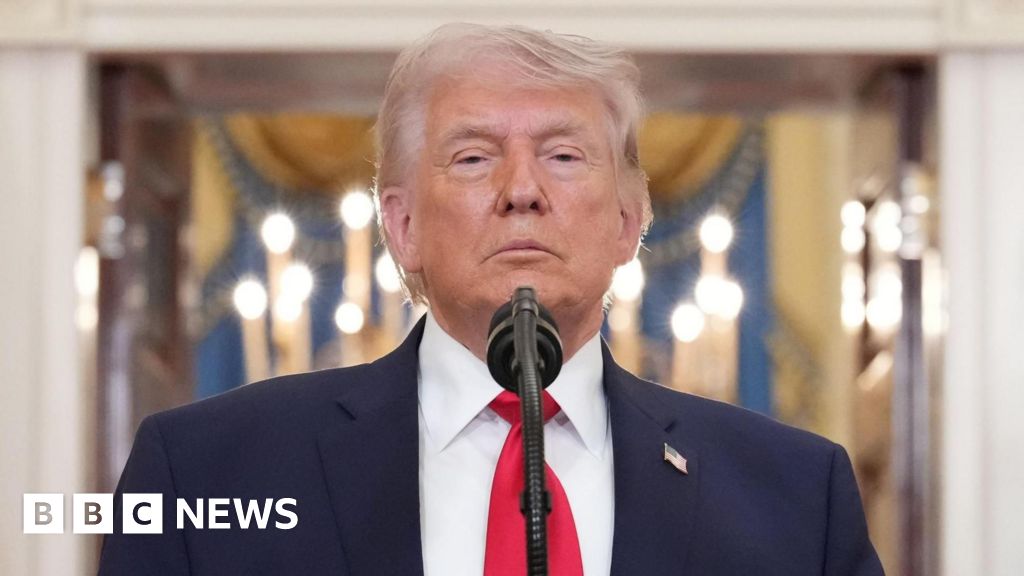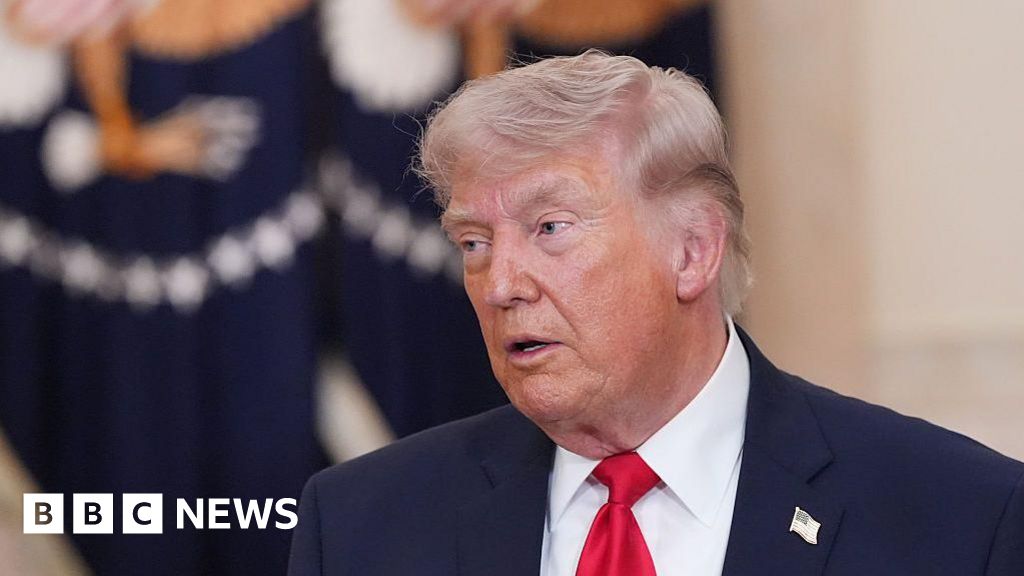

The recent statements from the president at the onset of the week underscore a deliberate pivot in rhetoric, marking a sharp divergence from his broader agenda over the preceding period. This shift in messaging serves not merely a stylistic adjustment but carries significant implications for the strategic positioning of the United States within the broader geopolitical and financial landscape of the Middle East and North Africa. The divergence in tone underscores a recalibration of influence, with implications for sovereign capital flows, venture capital investments, and the nascent infrastructure projects underpinning the region’s economic trajectory. Such a recalibration signals a deliberate recalibration of how emerging markets are perceived and engaged, reinforcing a narrative of assertive engagement rather than passive receptivity.
From a financial standpoint, the implications of this policy shift reverberate deeply. As sovereign entities and institutional investors recalibrate their portfolios, the evolving discourse on regional energy and technology partnerships will either amplify or constrain capital deployment. The Middle East’s strategic assets—ranging from hydrocarbon reserves to digital infrastructure—stand at the epicenter of this recalibration. Any misalignment in messaging risks dampening confidence in the region’s ability to deliver on ambitious investment commitments, thereby dampening the attractiveness of sovereign capital flows. Venture capital ecosystems, already on a turbulent path, will face heightened scrutiny as investors weigh the stability and clarity of this new strategic direction.
The regional infrastructure narrative is further complicated by these shifting dynamics. The Middle East’s economic future hinges on sustained investment in digital and physical infrastructure; however, the current leadership discourse may signal a hesitation to commit deeply, given the competing priorities of the time. For institutional investors and multinationals, this presents a pivotal juncture: the ability to navigate and adapt to this evolving political-economic narrative will determine the region’s capture of technology and financial capital. In this context, the next wave of strategic moves must be meticulously aligned to secure lasting influence in a region poised for transformative growth.