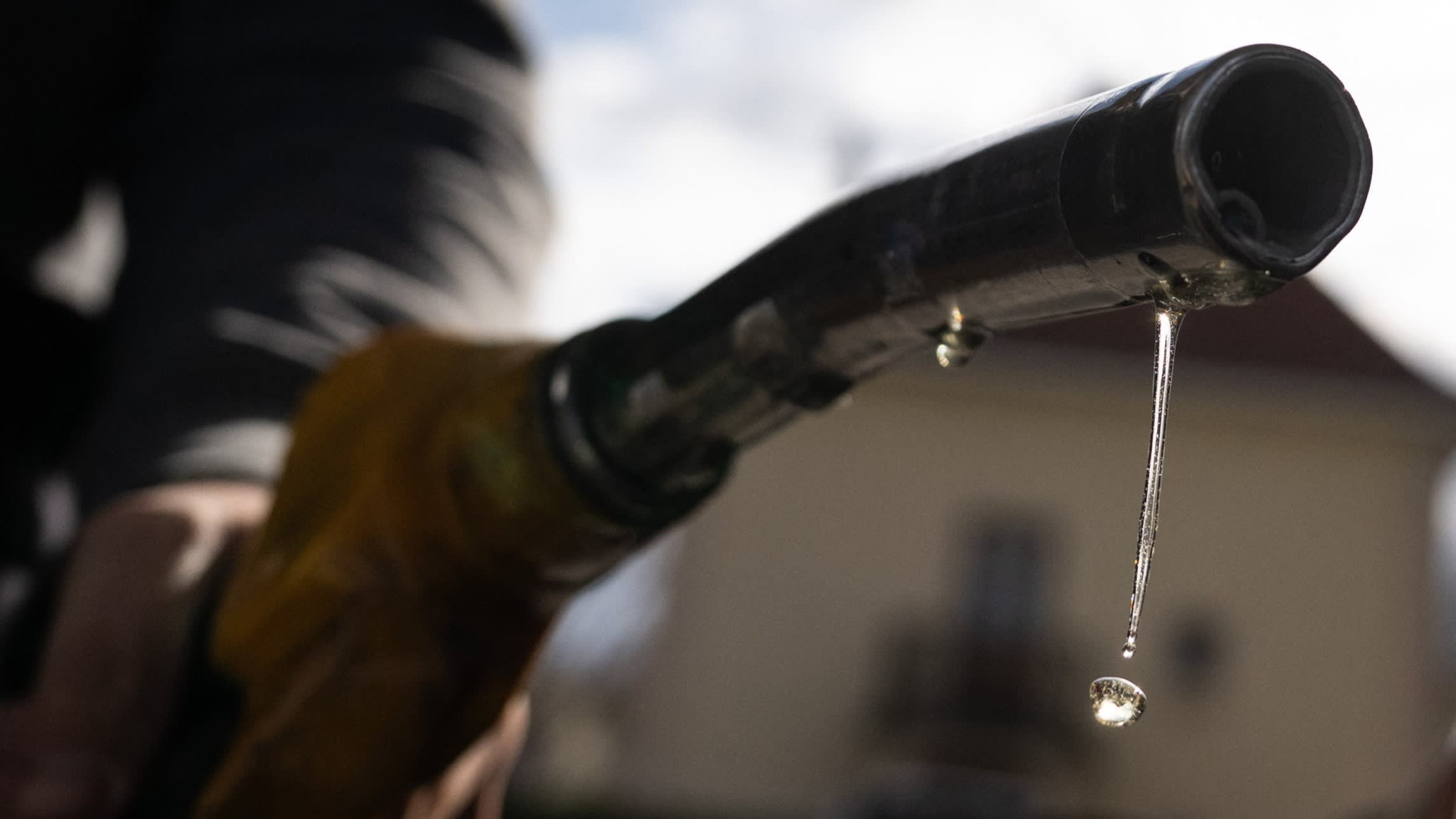

The escalating geopolitical tensions in the Middle East, specifically the ongoing conflict between the US and Iran, are triggering a significant and rapidly evolving economic crisis within Vietnam, exposing vulnerabilities across its gig economy, infrastructure, and sovereign financial landscape. The disruption of crude oil supplies from Kuwait, exacerbated by the blockade of the Strait of Hormuz, has driven up fuel prices by nearly 30% and diesel costs over double their previous levels, creating a cascade of negative impacts for millions of motorcyclists and bus drivers who rely on ride-hailing and public transport services. This surge in operational costs is forcing a substantial portion of Vietnam’s gig workforce – estimated at over 3 million – to curtail their activity, leading to reduced earnings and heightened financial insecurity, particularly for those lacking formal labor protections.
The immediate business impact is substantial, extending beyond individual drivers to encompass Vietnam’s broader economy. Public transportation networks are facing unprecedented strain, with increased passenger volumes and reduced operational capacity, while domestic airlines, such as Vietnam Airlines and Vietjet Air, are implementing route reductions. Furthermore, the crisis is prompting a reassessment of long-term investment strategies, as evidenced by Vingroup’s decision to postpone a major liquefied natural gas (LNG) power plant project, redirecting capital towards renewable energy sources – a strategic shift reflecting heightened concerns about fuel price volatility. This demonstrates a growing awareness within the private sector of the risks associated with reliance on imported fossil fuels and underscores a potential acceleration in Vietnam’s energy independence goals.
Sovereign capital is now under considerable pressure. The government’s temporary suspension of the environmental tax on fuel, totaling an estimated $273 million in lost revenue, highlights a delicate balancing act between mitigating immediate economic hardship and maintaining macroeconomic stability. This move, while providing short-term relief to consumers, exposes a potential strain on state finances. Simultaneously, the government is actively exploring strategies to bolster energy security, including accelerating the development of domestic refining capacity and seeking alternative crude oil sources. The situation necessitates a more comprehensive approach to sovereign risk management, incorporating contingency planning for future energy price shocks and diversifying the nation’s economic base.
Beyond the immediate economic consequences, the crisis is accelerating infrastructural investment needs. The increased demand for public transport is straining existing networks, necessitating upgrades and expansion. Crucially, the government’s renewed focus on energy independence will drive significant investment in refining infrastructure and, more importantly, renewable energy sources. This shift will require substantial capital expenditure and strategic partnerships with international technology providers. Furthermore, the vulnerability of Vietnam’s gig economy – characterized by a lack of labor protections and reliance on volatile fuel costs – underscores the urgent need for regulatory frameworks to safeguard worker rights and ensure a more resilient and equitable economic model. The long-term implications for regional infrastructure investment across Southeast Asia, particularly in countries reliant on similar supply chains, are significant and warrant careful monitoring.