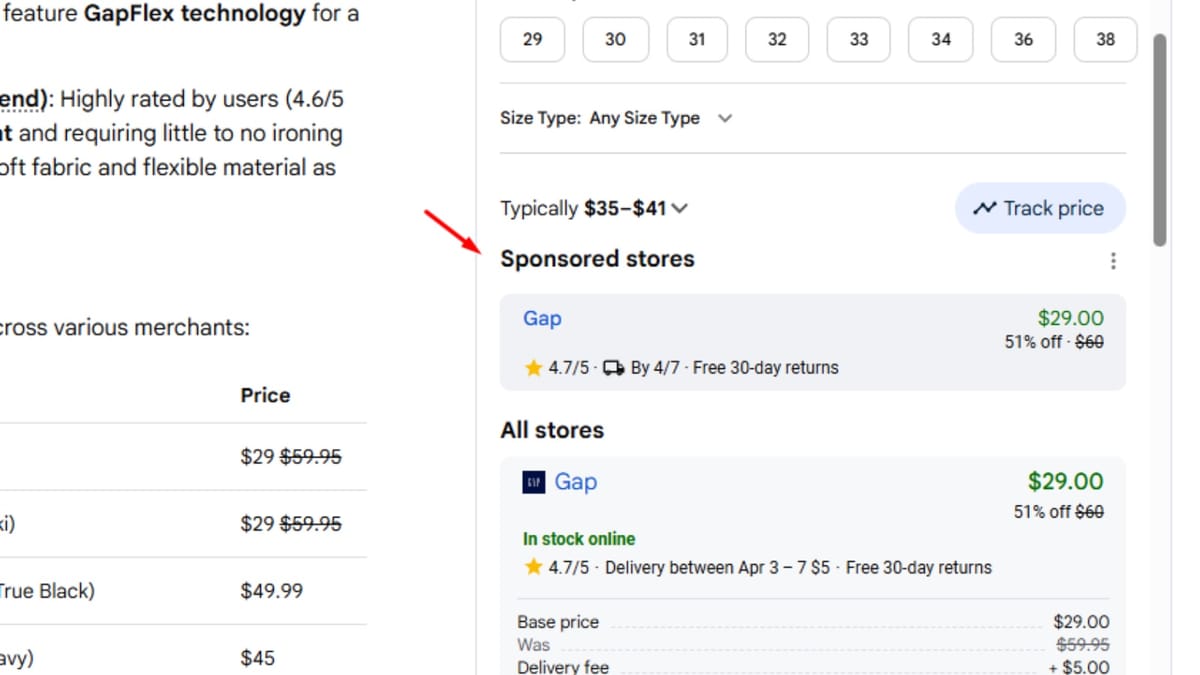

Theemergence of sponsored stores and organic shortcuts in Google’s AI Mode signals a strategic recalibration of digital commerce dynamics, with profound implications for business ecosystems in the Middle East and North Africa (MENA). For organizations operating in the region, these developments represent both opportunities and challenges in monetizing AI-driven search interactions. The placement of sponsored stores within product detail panels elevates the stakes for retailers competing in e-commerce corridors like the UAE, Saudi Arabia, and Egypt, where digital commerce penetration is accelerating but fragmented. Brands must now optimize product data feeds not just for visibility in traditional shopping platforms but also for prioritized surfaces within AI-generated responses. This shift demands robust data governance and localized inventory synchronization—-processes that could strain regional tech infrastructure, particularly in markets with underpenetrated digital ecosystems. Sovereign capital may flow into upgrading regional tech infrastructure to support such complexities, as governments in GCC nations increasingly fund digital transformation initiatives. Concurrently, venture capital could skew toward startups developing AI-native retail solutions, such as algorithmic pricing engines or localized AI chatbots, to capitalize on Google’s expanding commercial infrastructure. The regional marketing landscape, historically reliant on organic reach, may see sustained ad spend shifts toward AI-optimized formats, though this depends on regulatory clarity around digital advertising in countries with evolving data privacy frameworks.
The integration of AI Mode’s ad formats complicates traditional capital allocation models in MENA, where sovereign funds and VCs have historically focused on energy, fintech, and logistics. However, the expanding monetization of generative AI offers new avenues for sovereign investment. For instance, entities like Qatar’s Public Investment Fund or Saudi Arabia’s Strategic Vision Fund may allocate capital toward partnerships with Google or regional tech firms to build sovereign AI platforms or regional data centers, ensuring compliance with local data residency laws while leveraging global AI commerce trends. Venture capital, meanwhile, is likely to prioritize MENA-based fintechs and marketplaces that can integrate with Google’s AI Mode ecosystem, such as payment gateways tailored to cross-border e-commerce or AI-driven logistics platforms. Crucially, this trend may accelerate consolidation in regional tech markets, where startups lacking scalable AI infrastructure could struggle to compete with well-funded incumbents or global players. The risk of digital dependency also raises questions about sovereign economic resilience—MENA nations must balance reliance on global AI platforms with investments in homegrown alternatives to mitigate risks from shifting algorithmic priorities or ad pricing models.
Regional infrastructure will face significant strain as AI Mode’s commercial features proliferate, demanding enhancements in digital connectivity, cloud capacity, and cybersecurity. In MENA, where 5G rollouts are uneven and data localization laws vary, ensuring low-latency access to Google’s AI-driven commerce tools will require targeted infrastructure investments. Sovereign capital could flow into expanding regional data centers or forming public-private partnerships to optimize last-mile delivery networks, which are critical for e-commerce growth. Furthermore, the rise of AI-generated shortcuts—such as direct links to retailer sites—creates new demands for secure, high-speed internet infrastructure, particularly in markets with aging legacy systems. Venture capital may similarly target firms developing edge computing solutions or AI-powered regional analytics to support localized ad targeting. For governments, the challenge lies in fostering digital inclusion without stifling innovation, as under-resourced economies in North Africa and the Levant may struggle to keep pace with the infrastructural demands of AI-enabled commerce. Ultimately, the MENA region’s ability to capitalize on these trends will hinge on strategic alignment between sovereign capital allocation, venture-driven innovation, and infrastructure modernization, all while navigating the complexities of a global tech landscape dominated by platforms like Google.