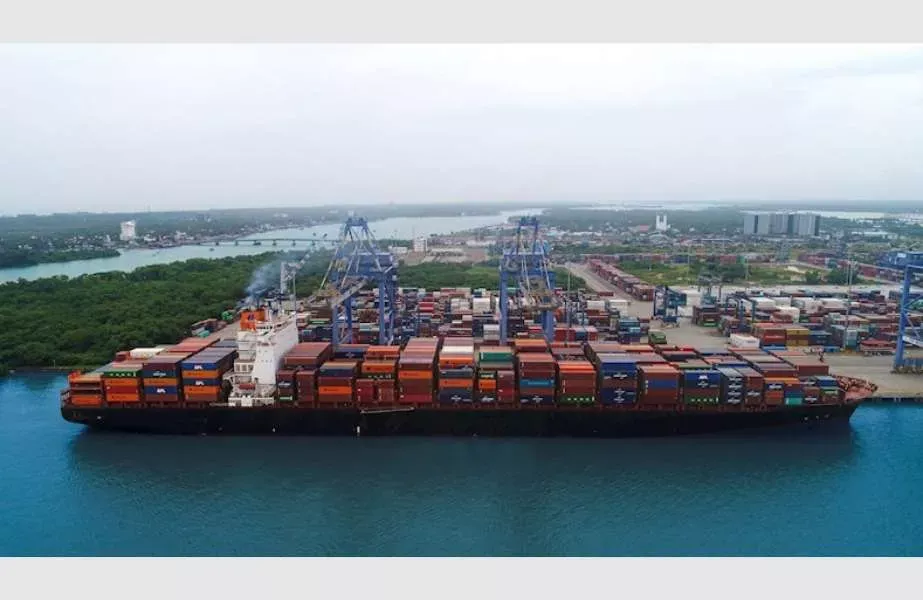

Theachievement by Kochi DP World in setting a new container handling record underscores a pivotal shift in regional logistics infrastructure, with profound implications for business ecosystems across the Middle East and North Africa (MENA). Enhanced port capacity directly correlates with reduced supply chain bottlenecks, enabling enterprises to optimize trade flows and lower operational costs. For MENA, where overland and maritime corridors remain critical to intra-regional and global commerce, such advancements signal a strategic imperative to modernize logistics frameworks. This not only bolsters the competitiveness of local businesses reliant on import/export channels but also aligns with broader sovereign efforts to diversify economies by fostering trade enablers rather than solely hydrocarbon-dependent sectors. The ripple effect extends to regional infrastructure investments, as governments may prioritize similar capacity upgrades in key hubs like Dubai, Marsa Matrouh, or Tanger Med, further integrating MENA into global supply chains.
The convergence of sovereign capital and venture capital in the region is poised to accelerate, driven by this precedent. Governments in the MENA region, seeking to address infrastructure deficits while aligning with long-term economic diversification goals, may increase public-private partnerships to replicate or expand such projects. Sovereign funds, particularly in Gulf Cooperation Council (GCC) states, are likely to channel capital toward logistics and transportation technologies that complement this momentum. Concurrently, private equity and VC firms may begin to target adjacent opportunities, such as digital cargo tracking platforms, automation solutions for ports, or last-mile delivery services. This ecosystem development is particularly salient in markets like Egypt or Tunisia, where logistical inefficiencies persist, creating fertile ground for capital deployment that promises both immediate returns and systemic economic uplift.
Regionally, the achievement highlights a growing emphasis on infrastructure as a catalyst for sustainable growth, challenging the entrenched narrative that MENA’s economic challenges are predominantly tied to resource constraints. By demonstrating tangible outcomes from strategic infrastructure investments, the Kochi DP World case could influence policymakers to prioritize logistics modernization as a cornerstone of economic resilience. This shift may also attract further venture capital interest in MENA’s tech-driven logistics sector, where startups addressing supply chain visibility, green shipping solutions, or AI-optimized port operations could emerge as beneficiaries. However, success will hinge on harmonizing regional policies, ensuring seamless cross-border coordination, and addressing geopolitical tensions that often disrupt supply chain flows. The long-term impact will depend on whether stakeholders collectively treat this as a model for systemic progress—or a momentary outlier in a region still grappling with fragmented infrastructure narratives.