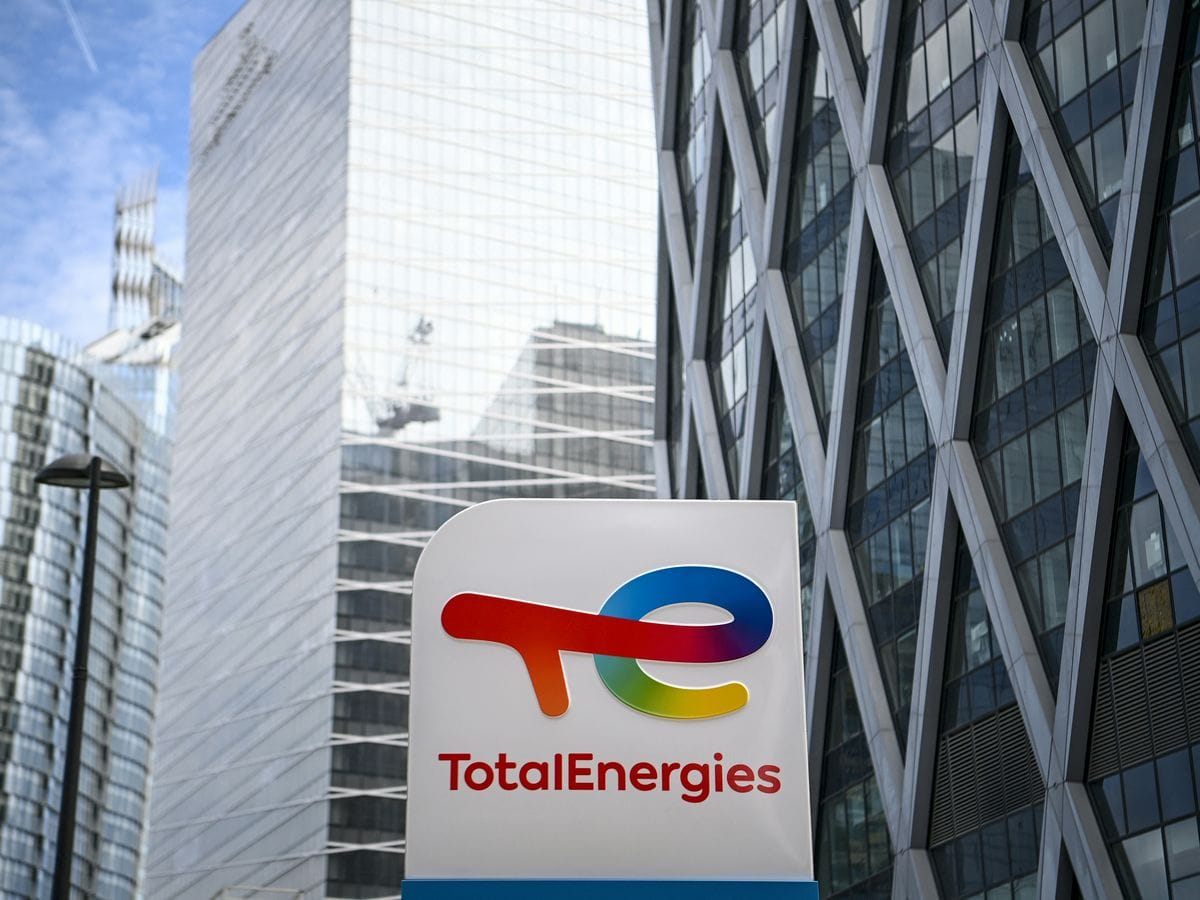

Abu Dhabi is emerging as a pivotal hub for significant renewable energy expansion in Asia, formalized through a substantial $2.2 billion joint venture between TotalEnergies and Masdar. This strategic consolidation of their onshore clean energy portfolios across nine Asian markets – Azerbaijan, Indonesia, Japan, Kazakhstan, Malaysia, the Philippines, Singapore, South Korea, and Uzbekistan – represents a major development with far-reaching implications for the MENA region’s financial landscape, technological advancement, and infrastructure development.
The 50:50 partnership immediately establishes a robust platform with 3 GW of operational capacity and a 6 GW pipeline, positioning it among the larger renewable energy portfolios in Asia. This scale is critical given the projected surge in electricity demand across the continent, driven by industrialization, urbanization, and the proliferation of digital infrastructure. The JV’s focus on solar, wind, and battery storage aligns directly with the global drive towards integrated clean power systems crucial for grid stability as renewable energy penetration accelerates. Sovereign capital allocation within the UAE and broader MENA region is increasingly directed towards such large-scale renewable initiatives, recognizing their role in long-term energy security and economic diversification. This venture exemplifies a key trend: strategic investment in renewable infrastructure to meet growing energy needs while fostering technological leadership.
Beyond the immediate operational implications, this collaboration underscores the growing synergy between European and Middle Eastern energy players. For TotalEnergies, it reinforces its Integrated Power strategy, emphasizing the combination of renewable generation with flexible assets and market access. For Masdar, the partnership deepens its regional footprint, diversifying its portfolio and gaining access to a global energy leader. This arrangement is strategically important for investors seeking exposure to long-term infrastructure assets within markets exhibiting strong demand fundamentals and evolving policy support. Furthermore, the venture represents a significant opportunity for financial institutions within the MENA region to channel capital towards high-growth, sustainable projects, impacting local and regional financial markets. The establishment of the JV’s headquarters in Abu Dhabi Global Market further strengthens the city’s position as a premier destination for international business and investment.
The broader impact extends to regional infrastructure development. The scale of this joint venture necessitates significant investment in grid modernization and transmission infrastructure to effectively integrate the substantial renewable energy generation. This, in turn, will stimulate private sector participation in infrastructure projects and drive technological innovation in areas such as energy storage and smart grids. The successful execution of this JV will serve as a compelling model for future renewable energy collaborations in the region, potentially fostering a more coordinated and ambitious approach to energy transition across the Middle East and North Africa. It signifies a maturing landscape where strategic partnerships are key to unlocking the full potential of renewable energy for both regional and global demand needs.