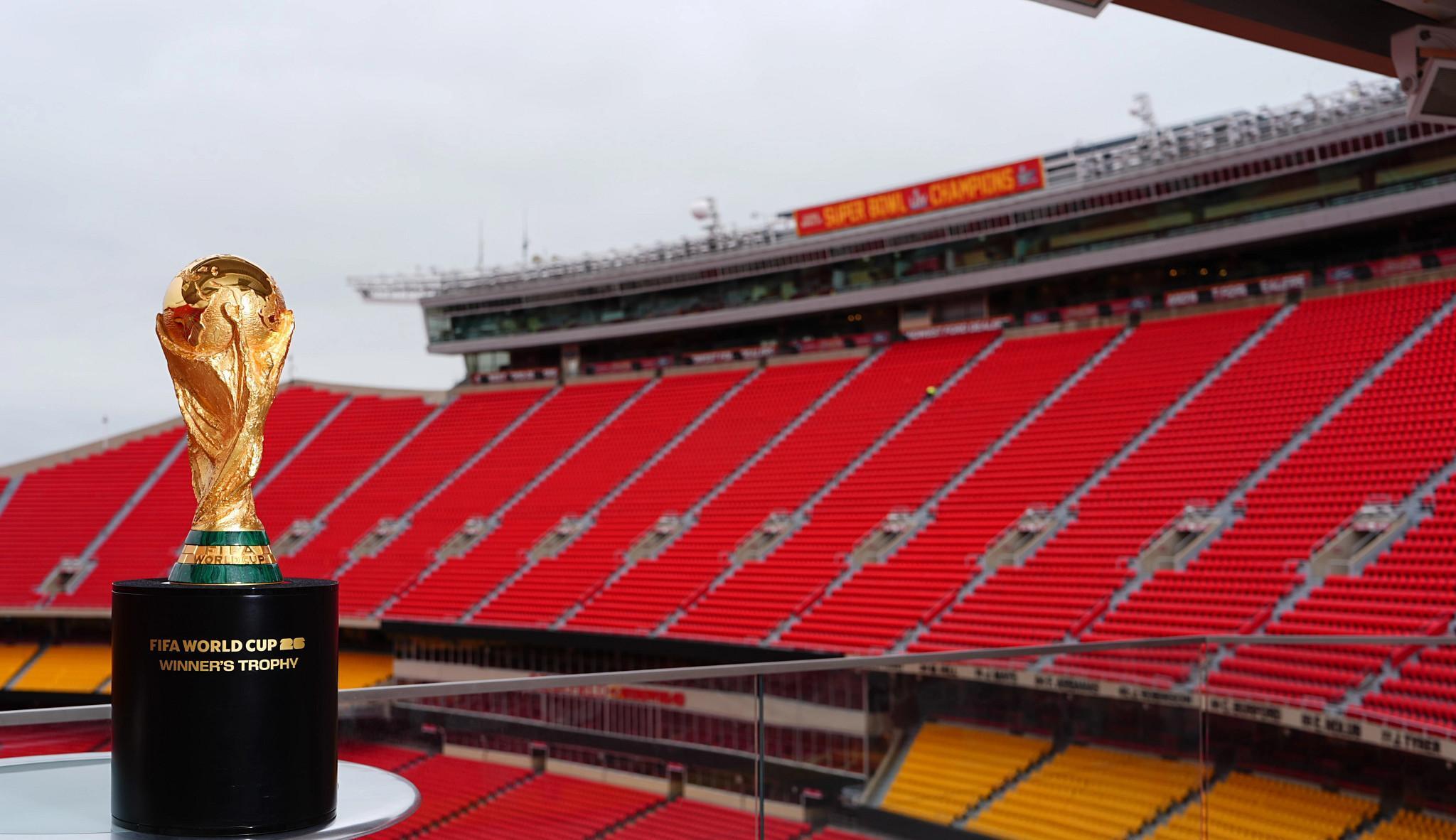

The appointment of Parsons Corporation as project management consultant for Al Ittihad Sports Village in Jeddah is a telling microcosm of the evolving capital allocation strategy underpinning Saudi Arabia’s Vision 2030. This specific project, a private-sector-led development for a club now 75% owned by the Public Investment Fund (PIF), illustrates a critical pivot. While the Kingdom’s sovereign wealth fund, with over $1 trillion in assets, continues to deploy capital, the focus is sharpening from sprawling, open-ended “giga-projects” toward initiatives with fixed, immovable deadlines—most immediately the infrastructure required for the 2034 FIFA World Cup. This facility, though not a tournament venue, directly supports the domestic ecosystem and talent development needs tied to the global event, signaling a prioritization of deadline-driven, high-visibility infrastructure over more discretionary long-term developments.
This strategic refinement is non-negotiable. Since 2024, Riyadh has executed sharp budget cuts, reportedly up to 60% for some projects, following lower oil revenues and execution bottlenecks. The resulting reassessment has already led to contract cancellations or delays on signature initiatives like Neom, as capital is deliberately redirected toward World Cup and Expo 2030-linked timelines. The PIF’s dual mandate—as a global investment fund and as the engine of domestic transformation—is being recalibrated under fiscal pressure. The Al Ittihad project, therefore, represents a new template: leveraging the PIF’s partial ownership of sports assets to catalyze private and semi-private development (with Parsons, a listed US firm, as a key implementer) that serves both commercial objectives and the state’s fixed-term event hosting obligations.
For regional infrastructure and capital markets, this recalibration has profound implications. The demand for specialised sports and event infrastructure is creating a targeted pipeline for engineering, project management, and construction firms with proven mega-event credentials—Parsons’ prior work on the 2022 Qatar World Cup is a cited asset. This filters venture and private equity capital toward sectors with clearer sovereign backing and timeline certainty. However, it simultaneously exposes broader non-oil infrastructure projects to greater competition for PIF and state budget resources. The MENA construction and development landscape is bifurcating: projects tangibly linked to national “deadline milestones” like the World Cup are proceeding, while others face a more arduous path to securing sovereign capital, intensifying the need for alternative financing and rigorous business case justification.