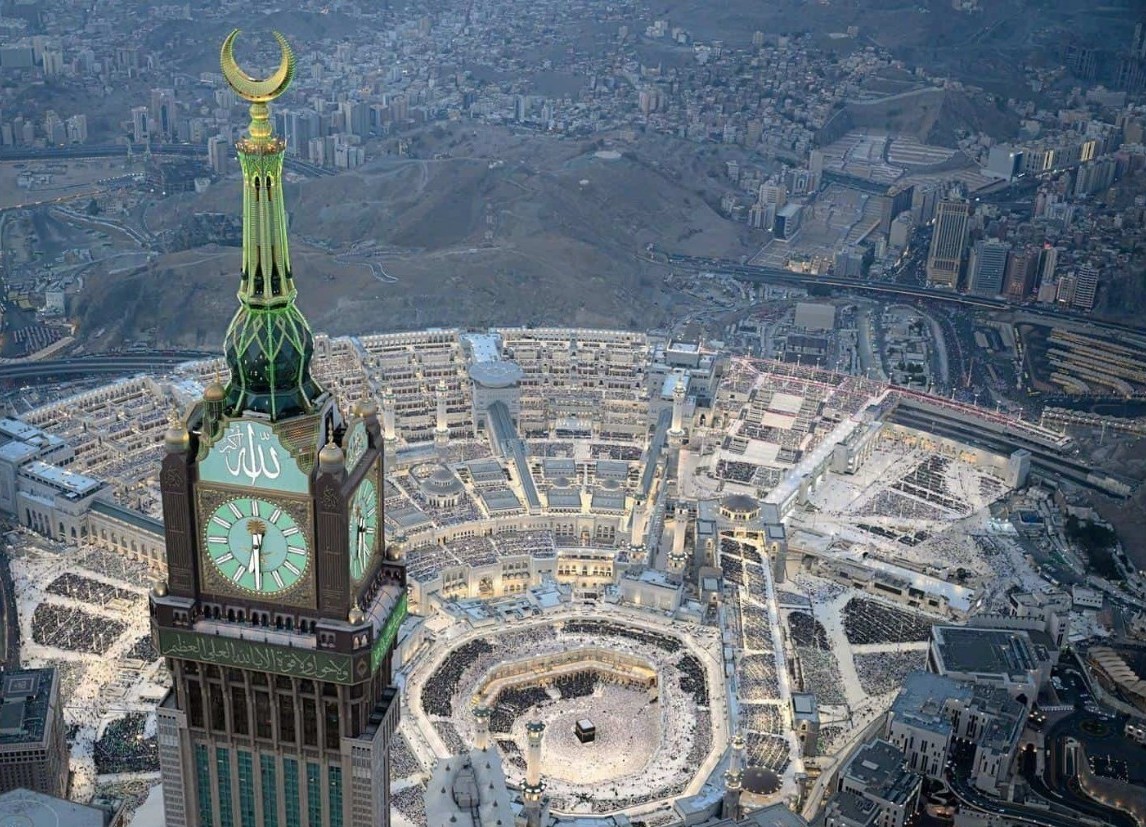

The Mecca Airport Project exemplifies Saudi Arabia’s strategic pivot under Vision 2030, leveraging sovereign capital to catalyze economic diversification by transforming religious tourism into a mainstream revenue stream. With an estimated $5.3 billion investment, the project signals a calculated allocation of state resources toward infrastructure that transcends mere tourism—a move aligning with the region’s broader ambition to develop integrated transit ecosystems. By prioritizing high-capacity terminals and smart logistics, Saudi Arabia is not only addressing immediate pilgrim demand but also setting a precedent for mega-airport development in the MENA region. This initiative underscores how sovereign capital can be deployed to bridge critical gaps in regional connectivity, while fostering ancillary business opportunities in construction, hospitality, and technology sectors. The project’s emphasis on digital processing systems further highlights a dual intent: to enhance operational efficiency and position Saudi Arabia as a hub for Innovation-driven infrastructure projects rare in the MENA landscape.
The project’s financial architecture reveals a nuanced approach to sovereign capital utilization, balancing public investment with anticipated private-sector participation through potential public-private partnerships. This model mirrors global trends where state-backed initiatives de-risk large-scale ventures for foreign investors, particularly in emerging markets. Venture capital firms may find strategic entry points in aviation technology, xenon security, or regional mobility solutions tailored to pilgrim traffic, areas where MENA lacks established ecosystems. However, the success of such investments will hinge on Saudi Arabia’s ability to attract international private equity—a challenge given regional infrastructure’s historical underperformance relative to sovereign funds. The $5.3 billion scale also reflects a deliberate risk distribution, ensuring long-term resilience against fluctuating oil revenues while cementing the Kingdom’s leadership in Vision 2030’s tourism-focused pillars.
Regionally, the Mecca Airport Project serves as a barometer for infrastructure modernization across the MENA, challenging neighboring states to emulate Saudi’s aviation-centric growth strategy. By integrating metro systems and smart passenger management, the project anticipates tech-driven solutions that could scale to other regional corridors, thereby strengthening intra-GCC mobility. Venture capital interest might pivot toward regional players supplying these technologies, fostering localized startups and empowering MENA’s innovation ecosystems. Furthermore, the project’s alignment with Riyadh’s King Salman International Airport underscores a coordinated effort to consolidate Saudi’s aviation dominance, positioning Mecca as a complementary nexus rather than a competing hub. This synergy suggests future regional infrastructure projects may adopt similar holistic approaches, blending spiritual tourism with logistical efficiency—a paradigm shift with profound implications for the region’s economic geography.