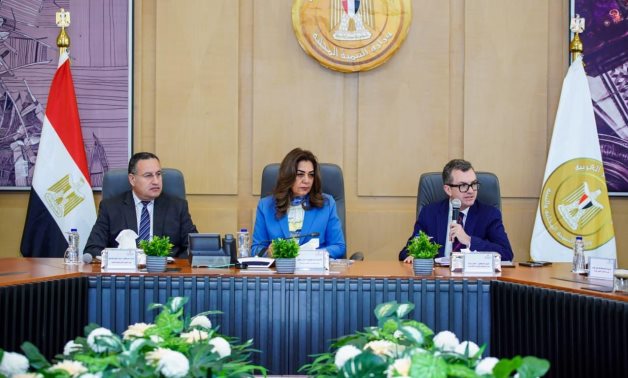

Egypt has launched the fourth phase of its National Initiative for Smart Green Projects (NISGP-4), a strategic pivot underscoring sovereign commitment to accelerating climate action and sustainable economic transformation under President Abdel Fattah El-Sisi. This initiative, spearheaded by senior ministers including Manal Awad, Ayman Ashour, Ahmed Rostom, and Amal Ammar, marks a significant escalation in leveraging national resources to drive green investment, foster innovation, and enhance climate resilience. The initiative directly channels sovereign capital—a critical funding lever—toward developing integrated local environmental solutions, positioning Egypt to meet ambitious targets embedded in Egypt Vision 2030 and the National Climate Change Strategy 2050, thereby mitigating fiscal risks associated with climate impacts while stimulating growth.
The launch emphasizes the initiative’s evolving role in catalyzing the private sector and venture capital alignment. By promoting digital transformation through an electronic project evaluation platform and standardizing procedures, NISGP-4 aims to streamline investment flows, enhance transparency, and attract both local and international VC and corporate partners. The scale of previous phases—54 winning projects and training over 11,500 participants across 130 sessions—demonstrates its growing ecosystem appeal. The fourth phase’s focus on enhanced project quality, feasibility, and measurable economic and social impact signals a deliberate strategy to de-risk green investments and showcase commercial viability, thereby strengthening Egypt’s attractiveness as a regional hub for sustainable finance and innovation.
Consequently, NISGP-4 has profound implications for regional infrastructure modernization and economic integration. By decentralizing implementation and mandating stronger local administration, it accelerates the deployment of critical infrastructure in clean energy, waste management, and resource efficiency across all governorates. This aligns with broader MENA trends where sovereign-led green initiatives serve as catalysts for regional investment corridors and technological adoption. The emphasis on standardized frameworks and governance promises to elevate Egypt’s infrastructure project execution quality, creating a replicable model for neighboring economies seeking to attract sovereign capital and private investment into sustainable development pipelines, thereby fostering greater regional economic cohesion and resilience.