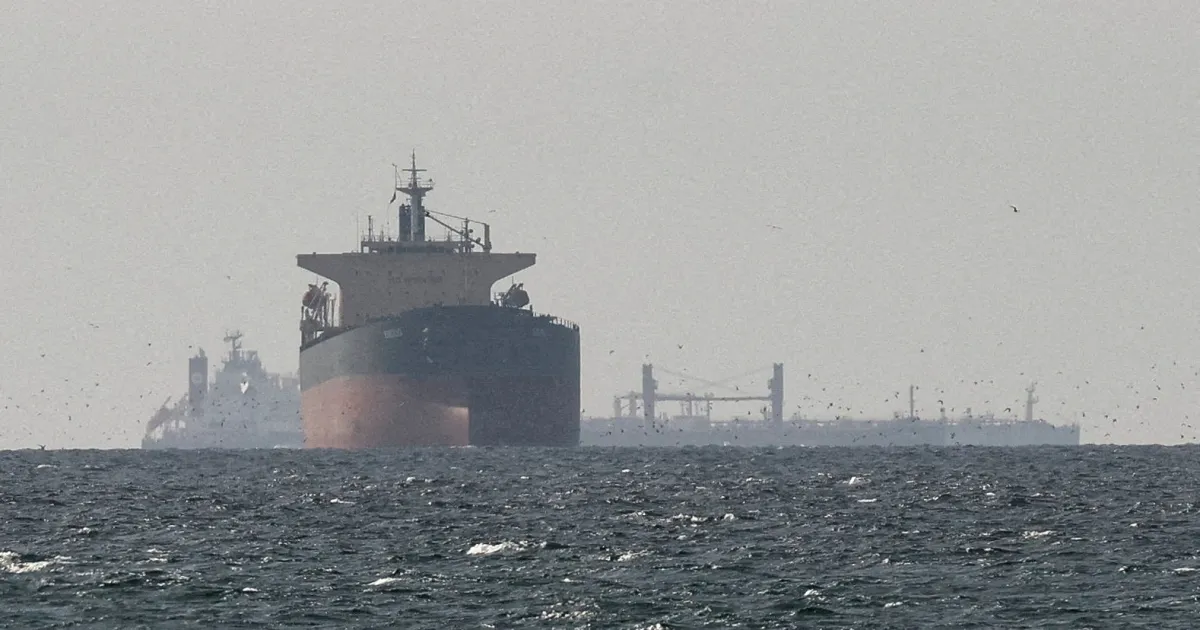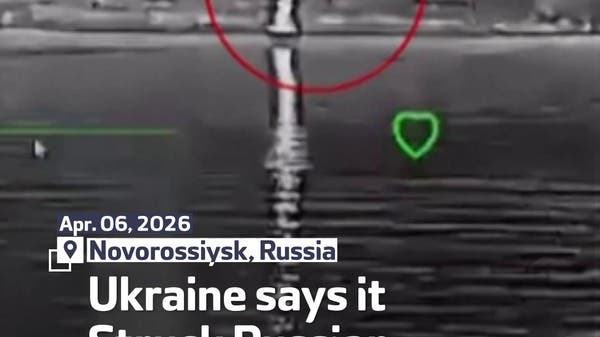

The recent incident involvingUkraine’s strike on a Russian missile carrier highlights escalating military tensions with profound macroeconomic ramifications for the Middle East and North Africa (MENA) region. While the immediate geopolitical fallout centers on Europe, MENA’s sovereign capitals face recalibration pressures as global risk appetite shifts. Institutions in the Gulf Cooperation Council and North Africa must prepare for potential capital outflow scenarios, particularly if energy markets experience volatility or if defence spending reallocation occurs within their own budgets. Sovereign wealth funds, already diversifying from traditional Western markets, may accelerate investments in regional defence-industrial complexes or cybersecurity infrastructure, driven by perceived elevated global instability. This necessitates rigorous stress-testing of national budgets and foreign exchange reserves against a backdrop of uncertain global conflict dynamics.
The venture capital landscape across MENA is likely to experience a strategic pivot in capital allocation priorities. The incident underscores the volatility inherent in global risk profiles, prompting VC firms headquartered in Riyadh, Dubai, or Cairo to favour resilient, essential, or defence-adjacent technology sectors. Funds previously earmarked for consumer tech or green energy startups in Europe may find redirection towards MENA-based solutions in satellite communications, border security analytics, or unmanned systems. Crucially, sovereign-backed investment vehicles within the region might funnel capital into VC arms specializing in technologies that enhance regional infrastructure resilience or provide alternative supply chain redundancies, anticipating potential disruptions stemming from broader geopolitical fragmentation.
On regional infrastructure, the incident serves as a stark reminder of the need for enhanced security and technological robustness across MENA’s critical assets. Increased defence expenditure, potentially funded through sovereign channels or public-private partnerships, could catalyze significant investments in hardened communication networks, redundant energy grids, and advanced surveillance systems. Furthermore, the renewed focus on military technology may stimulate local manufacturing capabilities, creating opportunities for VC-backed firms specializing in drones, cyber defence, or AI-driven threat detection. However, this requires coordinated regional infrastructure development to avoid fragmented solutions that could undermine collective stability. Institutions must prioritize investments that foster cross-border technological interoperability and economic cohesion, transforming the conflict’s security implications into drivers of integrated regional infrastructure modernization.