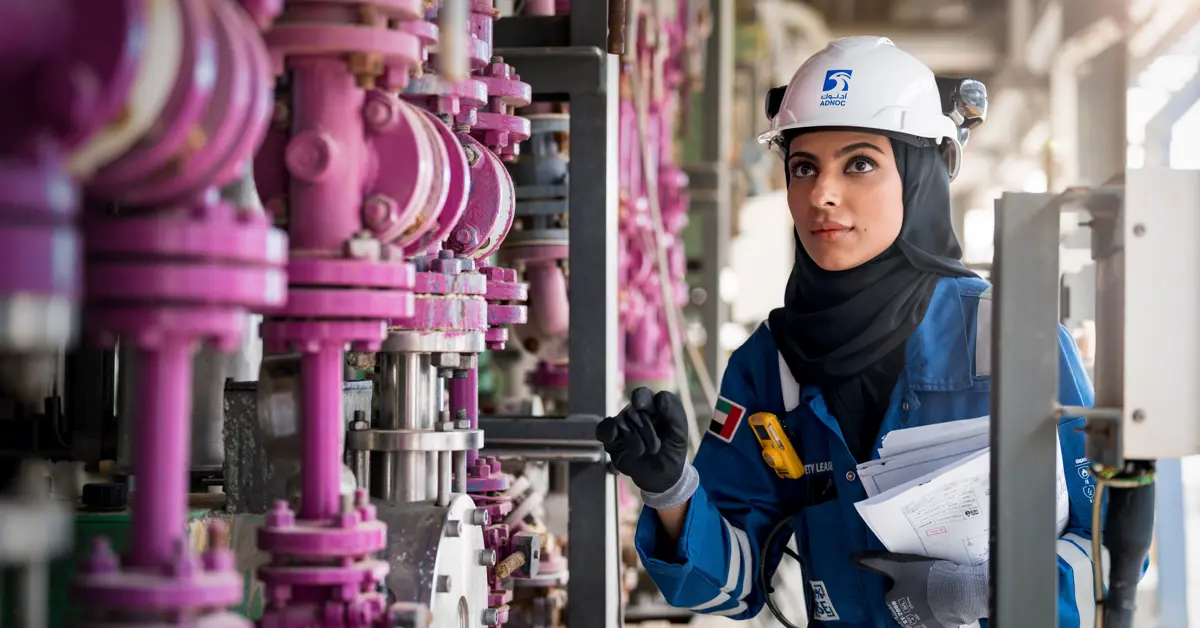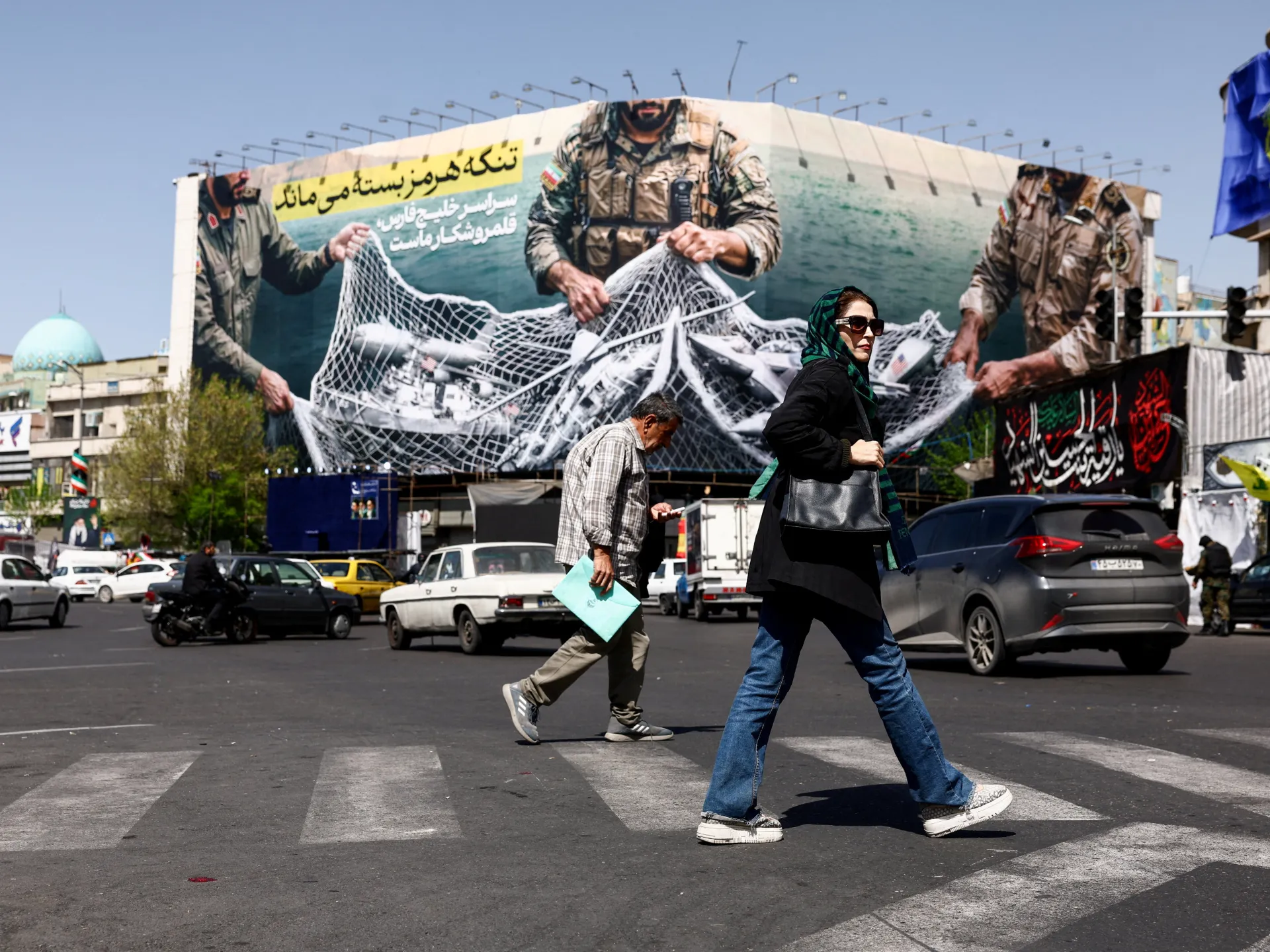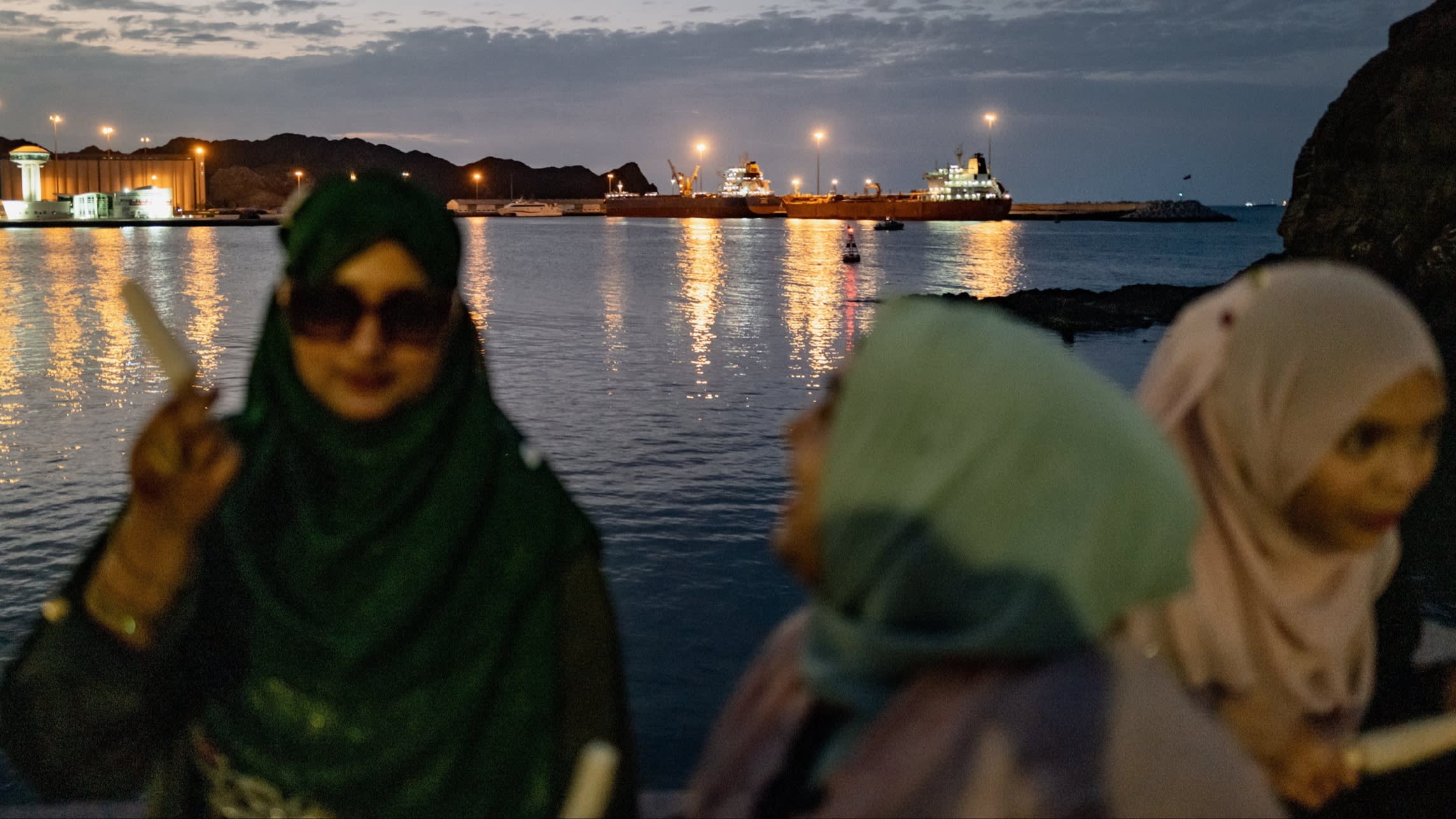

Middle Eastern governments and sovereign wealth funds are accelerating investment in alternative logistics corridors to bypass the Strait of Hormuz and other maritime chokepoints that have increasingly threatened the free flow of oil, gas and essential commodities. In the United Arab Emirates, Saudi Arabia’s Public Investment Fund and Qatar Investment Authority have earmarked more than $45 billion for a network of pipelines, rail links and inland ports that will connect the Gulf’s hydrocarbon basins directly to the Red Sea, the Mediterranean and East‑African hinterlands. The scale of the projects—ranging from the $12 billion East Med Pipeline to the $8 billion Saudi‑Jordanian rail corridor—signals a decisive shift toward “strategic resilience” that is being baked into national development plans and reflected in the latest sovereign credit assessments.
For venture capitalists, the infrastructure push unlocks a new frontier of ancillary technology opportunities. The Gulf’s burgeoning tech ecosystem, now valued at over $30 billion, is seeing a surge in funding rounds focused on digital twins, predictive maintenance AI, and IoT‑enabled supply‑chain platforms that can optimise the performance of these massive assets. Funds such as Saudi Arabia’s STC Capital and Abu Dhabi’s ADQ Ventures have collectively deployed $1.2 billion into 34 start‑ups in the last 18 months, a concentration that is expected to double as operators seek to digitise asset management and reduce operating costs in a high‑risk geopolitical environment.
Infrastructure development is also reshaping regional trade dynamics. By diverting a significant portion of crude and LNG shipments away from vulnerable maritime routes, Gulf exporters will lessen their exposure to insurance premium spikes and transit delays that have historically inflated freight costs by up to 15 percent during periods of tension. Land‑based corridors will integrate with the Africa‑Europe freight rail corridor, fostering new export markets for GCC agribusinesses and petro‑chemicals and enhancing food‑security links with North‑African states that depend on Gulf grain imports.
In sum, the convergence of sovereign capital, venture‑backed technology deployment and strategic logistics redesign is redefining the MENA region’s role in global energy and food security. While the capital outlays are sizeable, the anticipated reduction in geopolitical risk, coupled with the creation of a high‑tech ancillary industry, is poised to generate multi‑digit returns for both public investors and private stakeholders, cementing the Gulf’s position as a resilient hub in an increasingly volatile world.