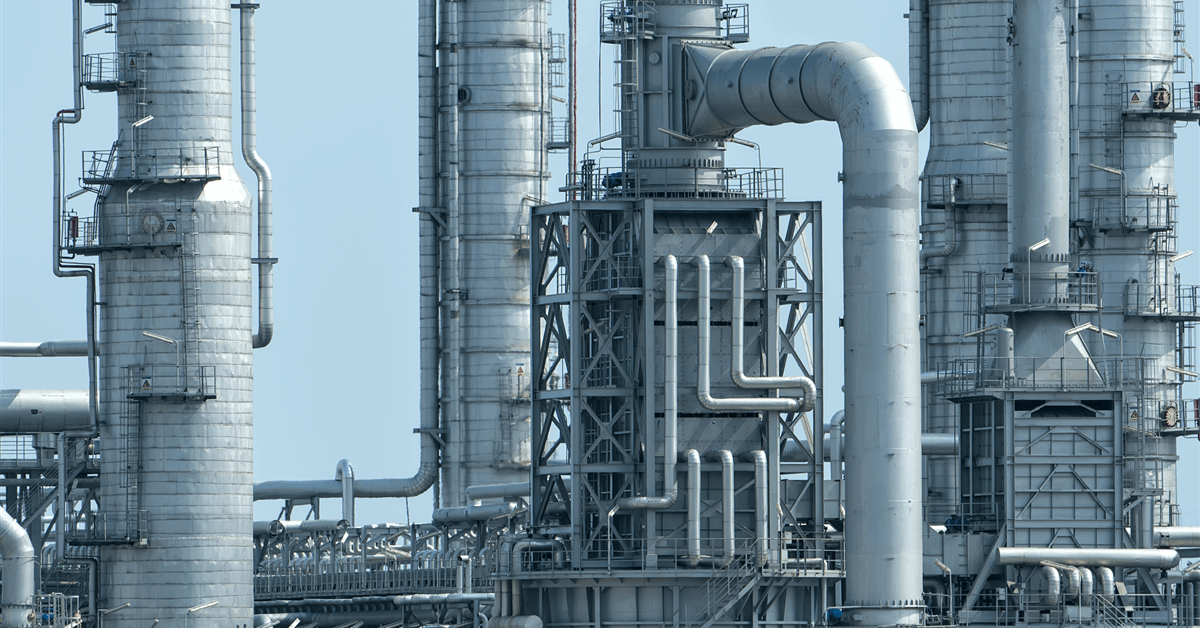

Abu Dhabi National Oil Company’s gas arm, ADNOC Gas, confirmed a fatality and several injuries after debris from a missile interception struck its Habshan processing hub, the largest natural‑gas facility in the United Arab Emirates. While the incident forced the isolation of the complex, the company assured that downstream supply to domestic and export customers remained uninterrupted thanks to its diversified network of parallel plants. The disruption underscores the vulnerability of critical mid‑stream assets to geopolitical shocks and highlights the need for resilient infrastructure planning across the Gulf’s energy corridor.
From a sovereign finance perspective, the episode arrives as ADNOC Gas announced a record‑size dividend of $3.584 billion for 2025 – the highest payout on the Abu Dhabi Securities Exchange – and reaffirmed a policy of 5 percent annual dividend growth through 2030. The payout, funded by a $5.2 billion net profit that benefited from a 10 percent EBITDA rise in domestic gas sales, reinforces the UAE’s strategy of leveraging state‑owned energy entities to generate stable, high‑yield cash flows for sovereign wealth funds and pension portfolios. The continued liquidity from such dividends is a cornerstone for the nation’s diversification agenda and supports large‑scale fiscal commitments, including infrastructure modernization and green‑energy transition funds.
Venture capital flows into the regional gas value chain are likely to accelerate as the incident spurs demand for advanced monitoring, drone‑based inspection, and cyber‑physical security solutions. Start‑ups that can demonstrate robust, AI‑enabled risk‑mitigation platforms are poised to attract strategic backing from both ADNOC‑linked sovereign investors and international funds seeking exposure to the Gulf’s high‑growth energy tech ecosystem. The government’s swift response to the attack, combined with its track record of granting fiscal incentives for innovation, creates a fertile environment for scaling home‑grown technologies that can be exported to other oil‑producing nations facing similar threats.
Infrastructure implications extend beyond the immediate site. The Habshan complex hosts five plants and 14 processing trains with a combined capacity of 6.1 billion cubic feet per day, feeding both the UAE’s domestic power grid and LNG export terminals. Any protracted outage would ripple through regional gas pricing, affect downstream petrochemical margins, and potentially tighten supply to Europe and Asia, where GCC gas is increasingly viewed as a reliable alternative to Russian pipelines. Consequently, sovereign and private capital are expected to double‑down on redundancy projects, such as the Rich Gas Development Phase 1 FID, and on the construction of parallel pipelines and storage facilities to safeguard the continuity of a market that is becoming ever more integral to global energy security.