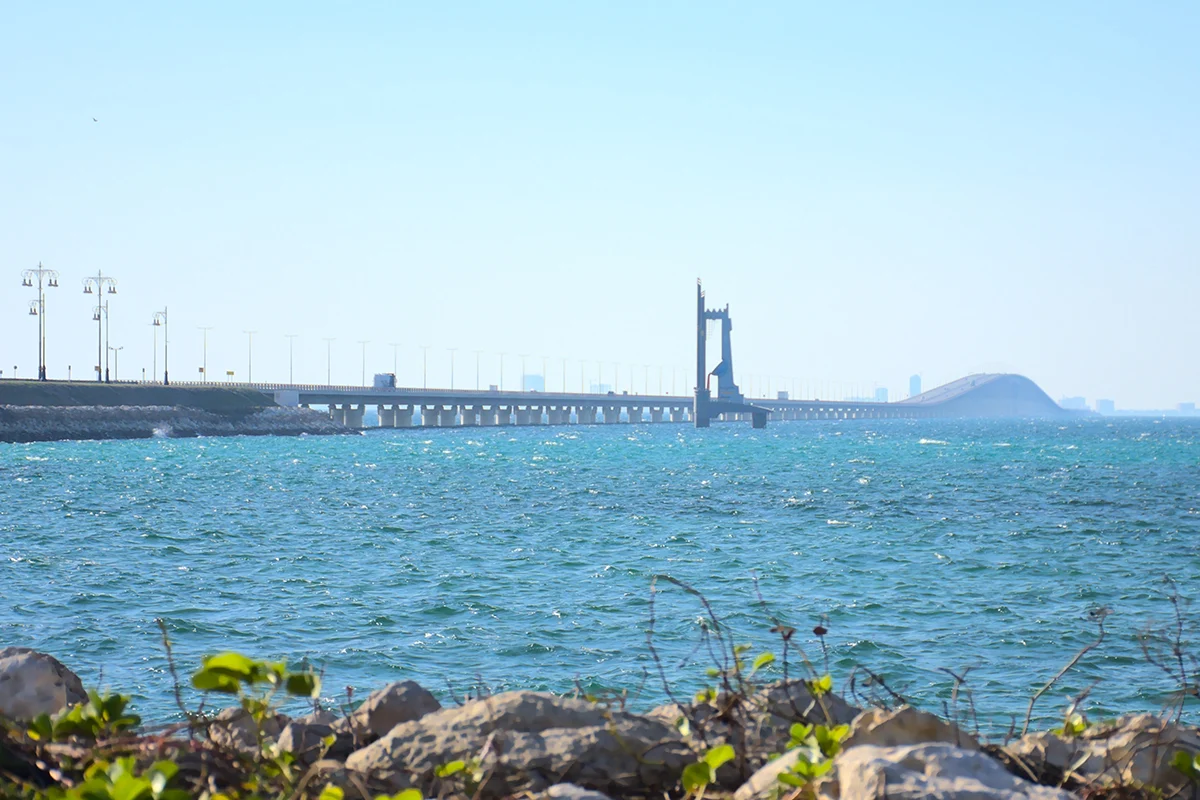

The temporary suspension of vehicle traffic across the King Fahd Causeway, linking Saudi Arabia and Bahrain, following alerts issued by the National Early Warning Platform in the Eastern Province, underscores a growing and increasingly concerning operational vulnerability within the broader MENA region. While the immediate disruption – resolved within hours – represents a localized event, it highlights a systemic fragility exacerbated by recent geopolitical instability. The Causeway’s critical role as a primary artery for trade and movement between two key economies, combined with its position within a region experiencing heightened military activity, necessitates a fundamental reassessment of regional infrastructure resilience and contingency planning.
The business impact of this incident extends beyond the immediate logistical delay. The King Fahd Causeway facilitates substantial cross-border commerce, particularly in sectors like logistics, automotive, and consumer goods. Sovereign wealth funds and private equity firms operating in both nations, many of whom rely on this corridor for supply chain efficiency, will undoubtedly face increased operational costs and potential reputational damage. Furthermore, the suspension serves as a stark reminder of the potential for similar disruptions to impact regional financial markets, particularly those sensitive to geopolitical risk. Increased scrutiny from sovereign capital investors, already wary of regional volatility, is almost certain, potentially leading to a recalibration of investment strategies and a renewed focus on diversification away from concentrated exposure.
Venture capital activity in the MENA region is also likely to be affected. The heightened security environment is dampening investor enthusiasm, particularly in sectors reliant on stable supply chains and predictable regulatory frameworks. While long-term investment in digital infrastructure and smart city initiatives remains a priority, the immediate focus is shifting towards bolstering cybersecurity and operational resilience. Regional governments are expected to accelerate investments in advanced warning systems and emergency response capabilities, potentially diverting capital from other growth areas. The incident reinforces the need for a more robust and integrated approach to regional security, extending beyond traditional military deployments to encompass critical infrastructure protection.
Finally, the event necessitates a comprehensive review of regional infrastructure development strategies. The reliance on single, strategically vital crossings like the King Fahd Causeway creates a single point of failure. Diversification of transportation networks – including rail and port expansion – is no longer a desirable strategic objective but a critical imperative. Moreover, enhanced collaboration between Saudi Arabia, Bahrain, and other regional partners on intelligence sharing and coordinated security protocols is paramount. The long-term stability and economic prosperity of the MENA region depend on proactively mitigating vulnerabilities like this, moving beyond reactive responses to a more strategic and preventative approach to infrastructure security and regional risk management.