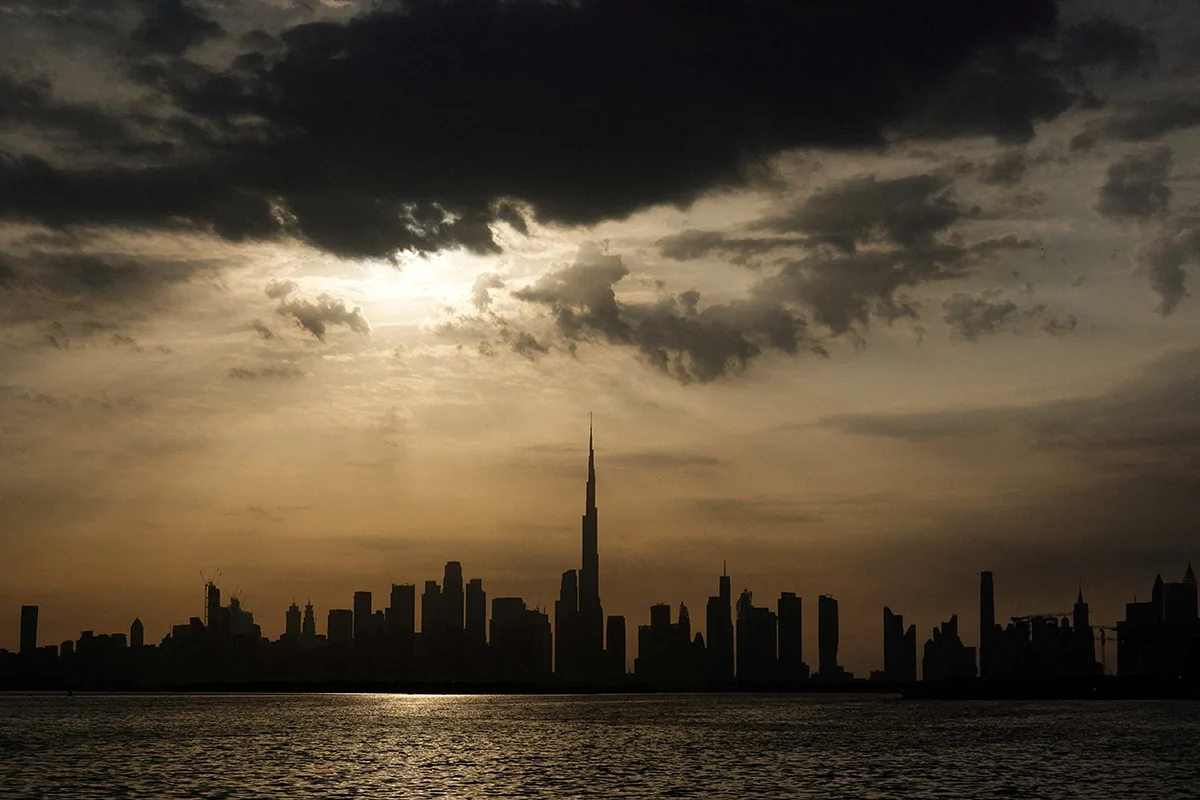

Saudi Arabia’s commercial real estate sector is poised for sustained expansion, projected to reach USD 92.76 billion by 2034 from USD 69.76 billion in 2025, reflecting a 3.22% compound annual growth rate. This growth is inextricably linked to the Kingdom’s Vision 2030 diversification strategy and underpinned by significant sovereign capital deployment into transformative mega-projects. The influx of foreign direct investment (FDI), particularly through the Regional Headquarters program, is driving demand for premium Grade A office space, with multinational corporations establishing regional hubs in Riyadh and other key cities. The recent announcements of KPMG’s expansion into Madinah and Ericsson’s regional headquarters underscore this trend, signaling a broader shift towards decentralization and regional economic development, a key tenet of Vision 2030.
Beyond traditional drivers, the integration of artificial intelligence (AI) and advanced technologies is rapidly reshaping the sector’s operational efficiency and investment landscape. Predictive analytics, leveraging machine learning, are enhancing property valuations by an estimated 18% and accelerating transaction times, while AI-powered building management systems are delivering substantial reductions in energy consumption (30%) and operational expenses (15-20%). The planned launch of tokenized real estate transactions by droppRWA and RAFAL Real Estate represents a significant step towards broadening investor participation and fostering blockchain adoption, potentially unlocking new sources of capital and increasing market liquidity. This technological transformation is being further catalyzed by partnerships like the one between New Murabba and Naver Cloud Corp, integrating smart city platforms and automation across large-scale developments.
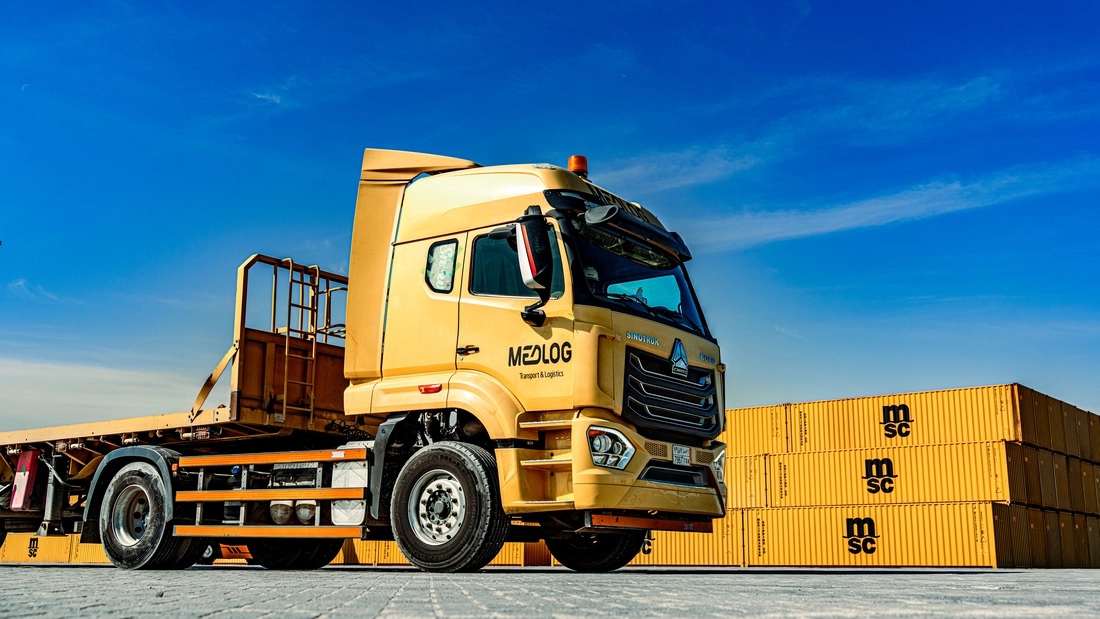
The burgeoning e-commerce sector is creating a parallel surge in demand for logistics and industrial real estate. With e-commerce participation projected to reach 33.6 million users, the need for strategically located distribution centers and last-mile logistics hubs is intensifying. Government initiatives, including the “Saudi Properties” platform and the forthcoming Non-Saudi Property Ownership Law, are designed to streamline investment processes and enhance transparency, further attracting international capital. The Northern and Central Region, particularly Riyadh, currently dominates the market, capturing 40% of market share and attracting over half of national office demand. However, significant investment in infrastructure projects like King Salman International Airport and expansions at King Abdulaziz Port are expected to stimulate commercial development across other regions, creating a more geographically diversified real estate market. Sovereign wealth funds, such as the Public Investment Fund (PIF), are expected to remain pivotal in driving this expansion through direct investments and strategic partnerships.
Looking ahead, the success of Saudi Arabia’s commercial real estate sector hinges on continued regulatory reforms, sustained sovereign investment, and the effective integration of advanced technologies. Venture capital activity, while currently nascent, is expected to increase as opportunities emerge in proptech and related sectors. The Kingdom’s ability to attract and retain international talent, coupled with its commitment to sustainability and smart city development, will be crucial in solidifying its position as a leading destination for institutional investors and international real estate operators in the MENA region.