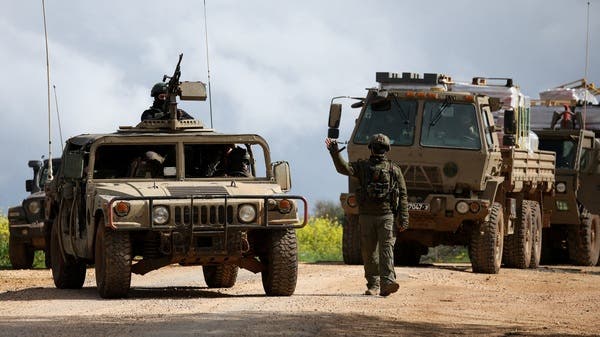

Ongoing escalation along the Israel-Lebanon border is testing fragile regional security architectures, with the Israel Defense Forces establishing a defensive line in southern Lebanon that could reshape cross-border risk perceptions. This military posture, reportedly advancing to an effective range of 10-20 kilometers from the border, has broad implications for companies reliant on stable supply chains and secure operational environments in both Lebanon and Israel. Multinational firms with regional footprints are now recalibrating contingency measures, underlining increasing pressure on infrastructure providers servicing critical logistics routes and energy transmission networks that extend through contested zones. The persistent threat of targeted drone or missile attacks feeds directly into sovereign resilience plans, encouraging both Lebanon and Israel to fortify their communications and power grids closer to urban cores.
From a capital flow perspective, elevated geopolitical uncertainty is already prompting more conservative allocations in venture and private equity-driven sectors tied to regional mobility, fintech, and cross-border e-commerce. Lebanese startups, especially those seeking expansion into Gulf and North African markets, face amplified risk premiums that make raising Series B and beyond more expensive, even in advanced fields like AI-based mobility solutions and decentralized digital finance. Conversely, Israel’s defense and homeland security tech sector remains positioned for capital inflows, with sovereign-backed and international institutional investors refreshing portfolios toward dual-use infrastructure, from next-generation telecommunications to AI-augmented monitoring systems—sectors where the region has a competitive advantage.
The strategic push toward a deeper security “zone” closer to the Litani River corridor could, if implemented, open secondary infrastructure financing opportunities for GCC sovereign wealth arms, as ongoing risk zone management and reconstruction financing tend to require deep pipeline partnerships. Alternatively, continued volatility is compelling business leaders to bifurcate the MENA operational footprint into lower- and higher-risk clusters, shifting investment ballast away from marginal routes and into more insulated domestic demand markets. For investors and operators alike, this phase of escalation signals a market reset: political uncertainty drives tighter capital discipline for emerging tech ventures, while high-end dual-use infrastructure remains highly valued by sovereign capital allocators with longer return obligations.