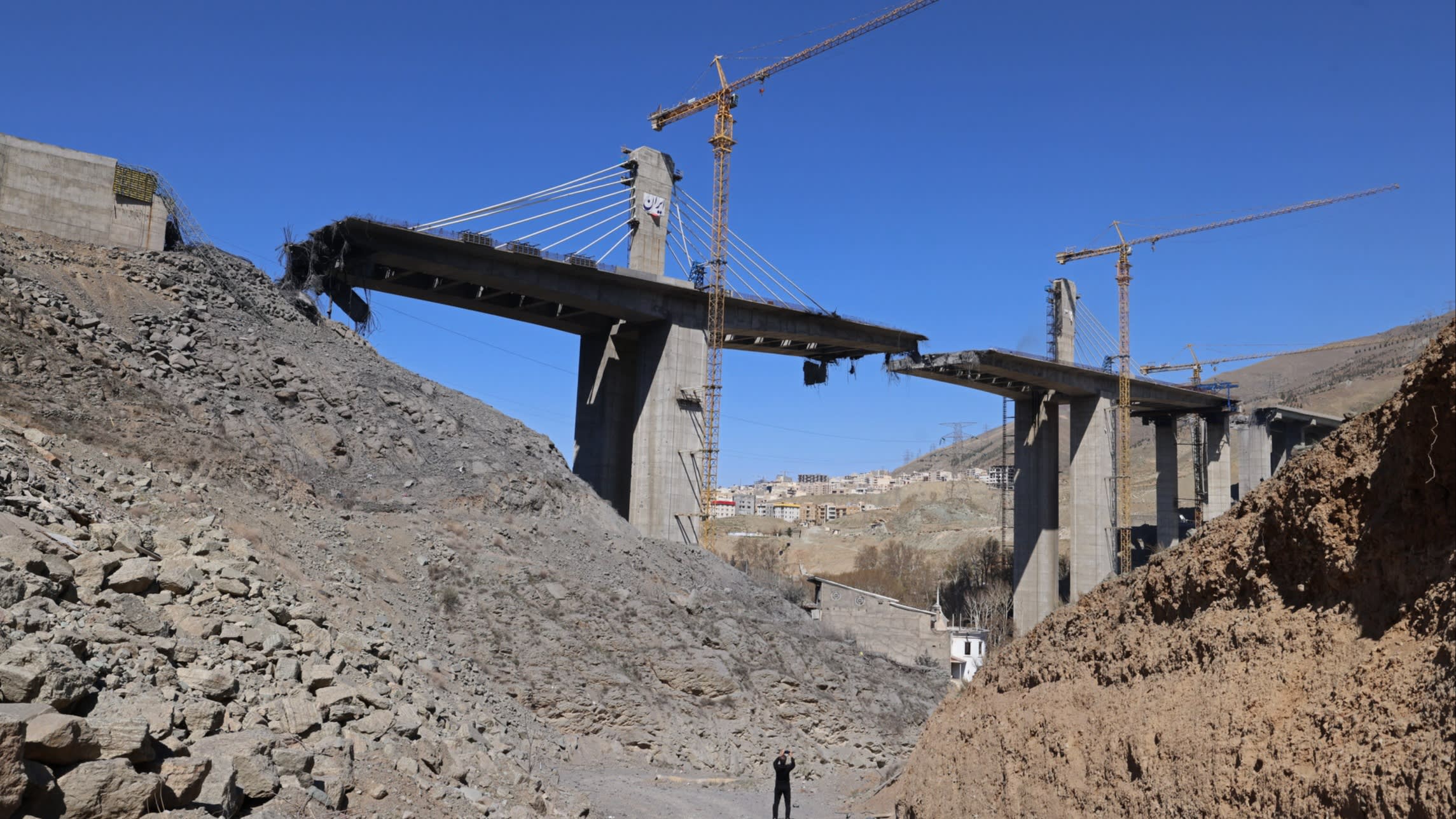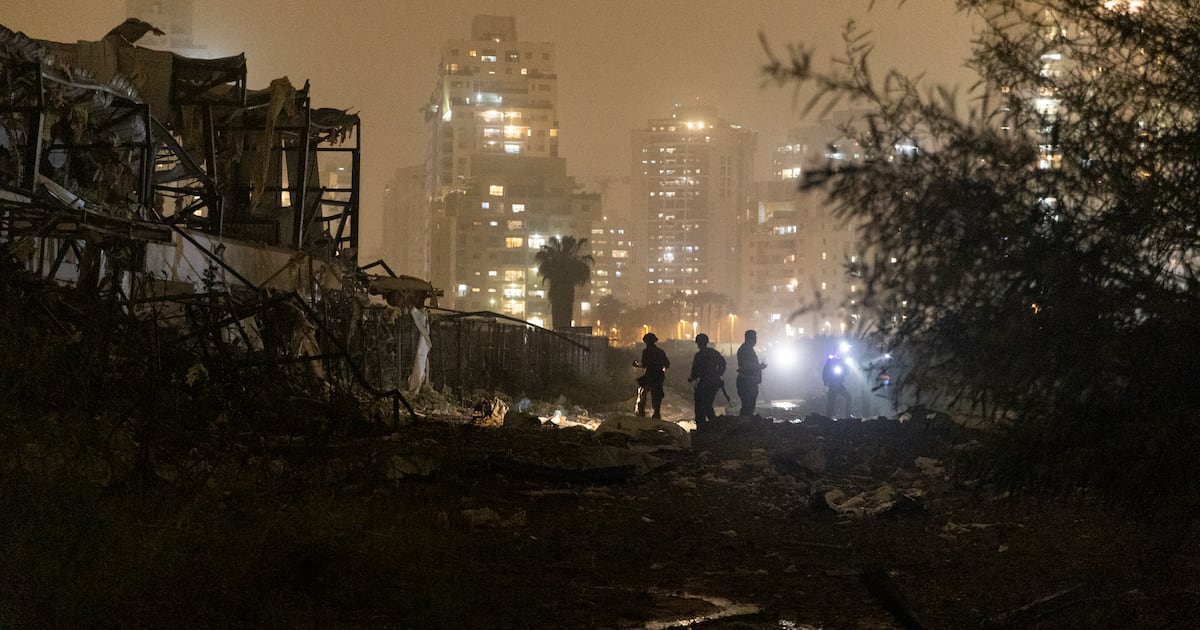

The ongoing conflict between Israel and Iran has intensified geopolitical volatility in the Middle East and North Africa (MENA), with profound implications for regional business ecosystems. The escalation of military engagements, including Iranian missile and drone attacks, disrupts trade routes and heightens operational risks for multinational corporations operating in the region. Supply chain vulnerabilities, particularly in energy and technology sectors, are exacerbated by the persistent threat of cross-border retaliation. Additionally, the arrest of individuals accused of espionage—such as the 21-year-old Jerusalem resident allegedly gathering intelligence for Iran via cryptocurrency—underscores systemic security challenges. This environment deters foreign direct investment and complicates corporate risk assessments, as businesses face uncertainty in regulatory frameworks and geopolitical stability.
Sovereign capital dynamics in the MENA region are under strain as governments prioritize defense expenditure over long-term economic diversification. Israel’s increased defense budgets, coupled with the logistical costs of countering Iranian proxy groups like Hezbollah, reflect a broader regional trend of fiscal reallocation. This shift risks exacerbating public debt, particularly in nations with limited fiscal flexibility, and could erode credit ratings if sustained. The involvement of state-backed investigations into espionage, as seen in Israel’s prosecution of alleged collaborators, further illustrates the intersection of national security and fiscal policy—highlighting the delicate balance between military preparedness and economic sustainability in a volatile theater.
Venture capital activity in the MENA region is experiencing a bifurcation, with investment cautiously shifting toward defense technologies and cybersecurity. The espionage cases involving advanced methods, such as digital communication and cryptocurrency, have illuminated gaps in regional cybersecurity infrastructure, creating opportunities for firms specializing in encryption, threat detection, and secure data management. However, broader macroeconomic headwinds, including inflationary pressures and regulatory uncertainty, temper enthusiasm for high-risk ventures. In this context, the arrest of an Israeli reservist linked to Iran’s acquisition of missile shield intelligence signals a pressing need for innovation in national defense systems, potentially stimulating cross-border partnerships and tech-driven growth initiatives.
Regional infrastructure investments are increasingly tied to security imperatives, with the conflict accelerating the modernization of military and communication networks. Israel’s Iron Dome system, a cornerstone of its defense strategy, exemplifies the demand for resilient infrastructure in the face of asymmetric threats. In the MENA region, governments are likely to channel resources into hardened logistics hubs, satellite communication networks, and surveillance technologies to mitigate disruptions. Yet, this focus risks diverting capital from critical sectors like renewable energy or public health, underscoring the long-term trade-offs between security-driven spending and sustainable development in the broader MNA landscape.