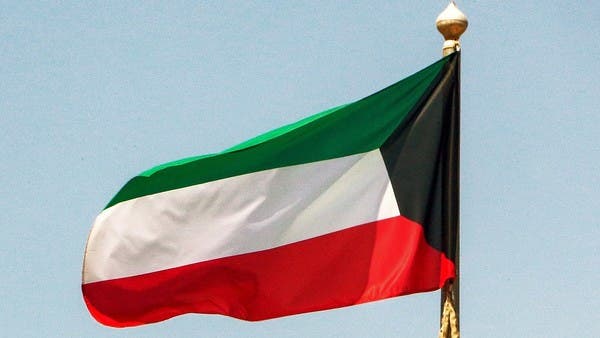

The Kuwaiti Ministry of Interior’s directive for residents to shelter in place from midnight on April 7 until 6 a.m. on April 8, precipitated by a U.S. ultimatum to Iran, transcends a domestic security measure. It crystallizes a material escalation in regional geopolitical risk that will immediately recalibrate investment flows and operational planning across the Middle East and North Africa. For financial markets, this event introduces a volatility shock, particularly in energy-sensitive equities and sovereign bond yields, as investors price in the potential for prolonged instability affecting critical trade corridors and supply chains.
Sovereign wealth funds, including Kuwait’s $700 billion KIA and the GCC’s collective $3 trillion in assets under management, will face urgent portfolio stress tests. The threat of strikes on civilian infrastructure—potentially targeting energy, port, or telecommunications assets—necessitates a rapid shift toward liquid, defensive holdings and a pause in new regional infrastructure commitments. Historical precedents from past Gulf conflicts indicate that such events trigger a temporary repatriation of capital and increased weighting in U.S. Treasuries and gold, while diverting attention from long-term diversification strategies like the Saudi Vision 2030 or UAE’s Project 2030.
MENA’s venture capital sector, which attracted $2.3 billion in 2025 with a focus on fintech, logistics, and e-commerce, confronts a sharp Risk-Off environment. Limited partners will likely freeze new commitments and demand heightened due diligence on portfolio companies’ supply chain resilience and geographic exposure. Startups dependent on cross-border data flows and consumer mobility—core to the region’s digital economy—face immediate revenue disruption and increased cyber-risk premiums. This could stall the region’s momentum in attracting foreign VC, with firms such as Mubadala and STV potentially redirecting capital toward more stable jurisdictions like the UK or Singapore.
Infrastructure implications are systemic. Any escalation threatening the Strait of Hormuz or Iranian port facilities would disrupt 20% of global oil trade, spiking freight and insurance costs for regional projects. Megaprojects like Egypt’s New Administrative Capital or Iraq’s reconstruction initiatives may see financing delays as multilateral banks reassess country risk premiums. Moreover, the heightened sovereign risk spillover could elevate borrowing costs for infrastructure sukuk and project finance, straining public-private partnerships. The medium-term outcome will likely be accelerated investment in redundant logistics networks and energy security, but at the expense of short-term capital expenditure across the MENA basin.