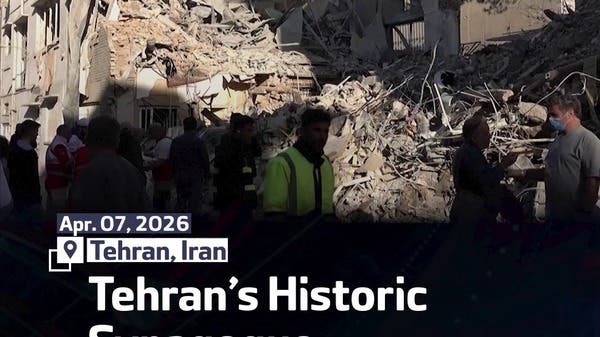

The ongoing regional dynamics surrounding the Iran conflict reverberate profoundly across the Middle East and North Africa, shaping everything from sovereign investment strategies to venture capital trends. Sovereign capital flows remain central, with Gulf investors increasingly aligning their portfolios to stability clauses and strategic partnerships, while sovereign wealth funds seek to hedge against heightened geopolitical volatility. Venture capital activity in the region is being recalibrated, driven by the need to secure long-term technological and economic resilience amid shifting alliances and uncertainty.
The economic footprint of this volatility is visible in infrastructure investments, with both state and private sectors channeling resources into resilient, future-proof projects. Infrastructure is no longer viewed solely as a public good but as a vehicle for ensuring regional security—linking investment priorities to confidence-building measures. The interplay between regional stakeholders and the Gulf’s strategic recalibration highlights the imperative of creating sustainable projects that anchor trust and deter future conflicts. This shift demands that policymakers recognize the dual necessity of economic engagement and security assurances.
Regional infrastructure developments underscore the need for a paradigm shift in how capital is allocated and reallocated as the Gulf navigates its complicated relationships with Iran and other external actors. In this context, institutional frameworks underpinning sovereign capital allocation must strengthen to support mutually beneficial growth. Only through such coordinated action can the Middle East and North Africa progress toward a stable architecture, mitigating the risk of renewed conflict and maximizing opportunities for inclusive technological advancement.
Dr. Dania Koleilat Khatib’s analysis underscores the urgent necessity of reconciling competing security imperatives. The challenge transcends rhetoric; it requires actionable governance models that prioritize sustainable infrastructure, transparent investment channels, and pragmatic partnerships. Failing to address this gap risks perpetuating cycles of instability, compounding the challenges that have so far defied resolution.