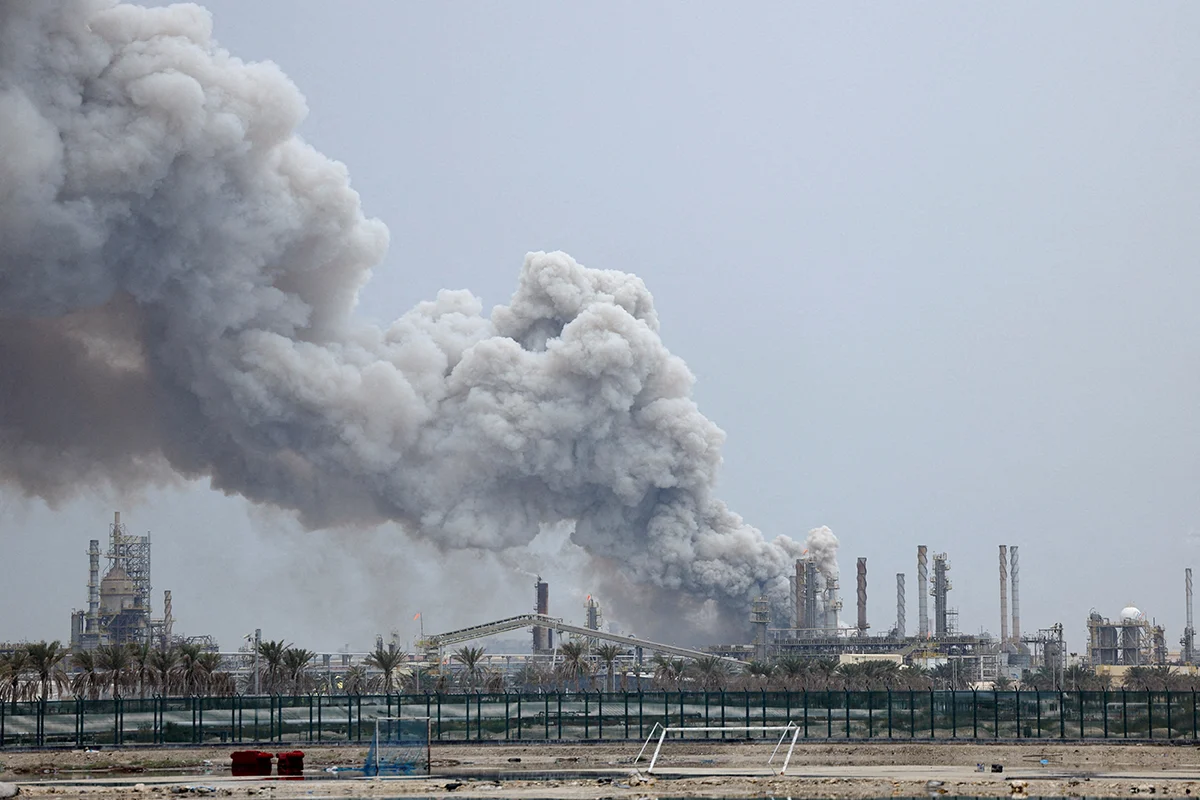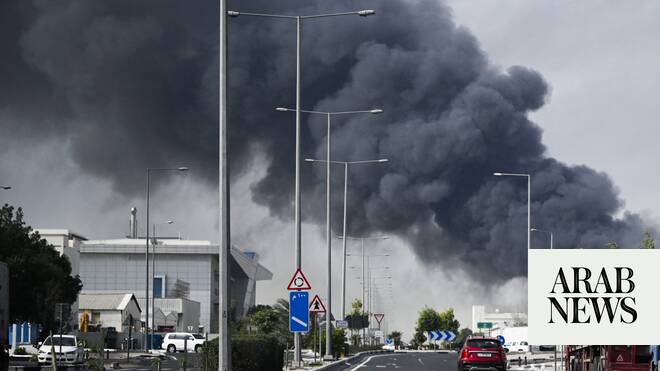

The targeted assault near the Israeli consulate in Istanbul’s critical Levent financial district underscores the escalating geopolitical friction’s immediate economic consequences. For the MENA region, this incident amplifies operational and reputational risks in Turkey, a pivotal conduit for global capital flows into and out of the Arab world. The attack, occurring amidst high regional tensions, forces sovereign wealth funds (SWFs) and institutional investors to reassess Turkey’s stability profile. Such volatility potentially diverts planned infrastructure investments and sovereign capital commitments away from Turkey, redirecting them towards perceived safer havens within the Gulf Cooperation Council (GCC) or North Africa, thereby altering the region’s capital allocation landscape and impacting larger connectivity initiatives.
The implications extend deeply into the venture capital ecosystem. Startups relying on Istanbul as a strategic hub for regional expansion face heightened uncertainty, potentially affecting valuations and fundraising trajectories. Early-stage and growth-stage investors may exhibit heightened due diligence diligence on portfolio companies with significant exposure to Turkey’s operational environment, while new funding rounds could face increased scrutiny. This climate necessitates enhanced risk mitigation strategies for tech ventures navigating the confluence of geopolitical instability and evolving market dynamics, thereby influencing the pace and direction of digital transformation investments across the Middle East and North Africa.
Regionally, the attack catalyzes a re-evaluation of diplomatic and economic infrastructure resilience. Financial institutions and corporations headquartered in or frequenting Levent are likely to bolster security expenditures, impacting operational costs. More significantly, it reinforces the strategic imperative for GCC nations and key MENA players to accelerate the development of alternative financial and logistical infrastructure. This includes enhancing domestic connectivity, diversifying external partnerships, and strengthening digital backbone projects to mitigate disruptions emanating from regional instability. The event serves as a stark reminder that geopolitical friction directly shapes the region’s strategic infrastructure priorities and investment horizons.