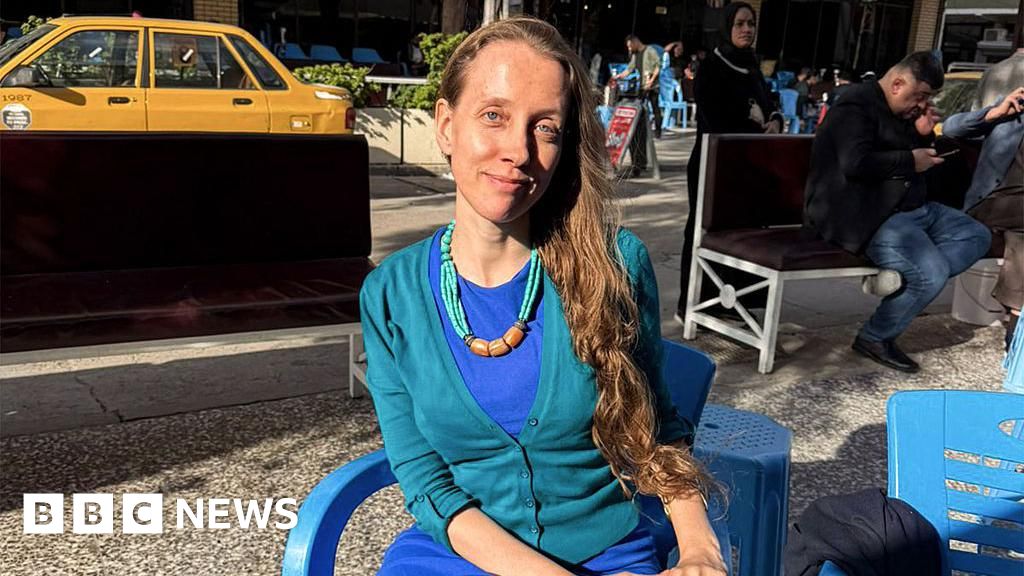

The recent diplomaticmaneuver involving the facilitation of a safe departure from Iraq by U.S. officials, while ostensibly a routine consular action, carries significant geopolitical and economic nuance for the Middle East and North Africa (MENA) region. The departure likely pertains to a high-profile individual—potentially a foreign investor, diplomatic envoy, or key business figure whose presence in conflict-affected zones has drawn scrutiny. Such escorts, though commonplace in conflict regions, signal underlying risks that could deter similar ventures or entrapments in the near term. For sovereign capitals and venture capital (VC) stakeholders, this underscores a fragile operational environment in Iraq, a critical node in regional infrastructure and energy corridors. The incident may prompt a recalibration of risk assessments by state-led investment entities, which have historically funneled capital toward MENA’s resource-rich or tech-ambitious nations. The absence of a stable exit mechanism could heighten capital flight anxieties, particularly in sectors reliant on long-term sovereign guarantees, such as renewable energy or logistics infrastructure.
The implications for venture capital in the MENA region are particularly pronounced if the departing figure is associated with tech entrepreneurship or innovation hubs. Iraq, while not a traditional VC hotspot, has seen incremental growth in fintech and agritech startups, supported by regional diaspora networks and government incentives. A high-profile exit could spook investors, triggering a short-term withdrawal of funding or a shift toward less volatile markets like Egypt or the Gulf Cooperation Council (GCC) states. This aligns with broader VC caution observed post-ISIS conflict, where regional uncertainty has prompted fund managers to prioritize due diligence frameworks that emphasize geopolitical stability. Sovereign wealth funds, which have bolstered MENA’s startup ecosystems through targeted programs, may also reassess their allocation strategies, potentially redirecting flows toward economies with more predictable regulatory frameworks or conflict mitigation protocols. The long-term effect hinges on whether this episode catalyzes a regional-security-driven funding segmentation or spurs innovation in risk-sharing instruments tailored to MENA’s unique context.
Regionally, the incident highlights vulnerabilities in MENA’s infrastructure and technology deployment strategies, particularly in areas prone to instability. Iraq’s role as a transit hub for energy and digital communication networks amplifies the stakes; any disruption to safe passage could impede cross-border tech projects or delay sovereign-backed infrastructure initiatives. For instance, cross-border data centers or transregional 5G deployments—sectors reliant on uninterrupted logistics—may face financing hurdles if security fears persist. Moreover, this event could accentuate a trend where infrastructure investments increasingly require geopolitical risk mitigation layers, such as diversified supply chains or insurance-linked financing. In the broader MENA technology landscape, which has prioritized digital sovereignty andLocalized solutions, such incidents may reinforce the demand for decentralized infrastructure models resilient to external shocks. However, the absence of a cohesive regional security framework remains a critical gap, potentially underminingheng global tech investments seeking scale in the region. The confluence of sovereign capital caution, VC risk aversion, and infrastructure vulnerability will likely dominate MENA’s financial and technological trajectory in the coming fiscal cycles, demanding adaptive policies that balance growth aspirations with realpolitik constraints.