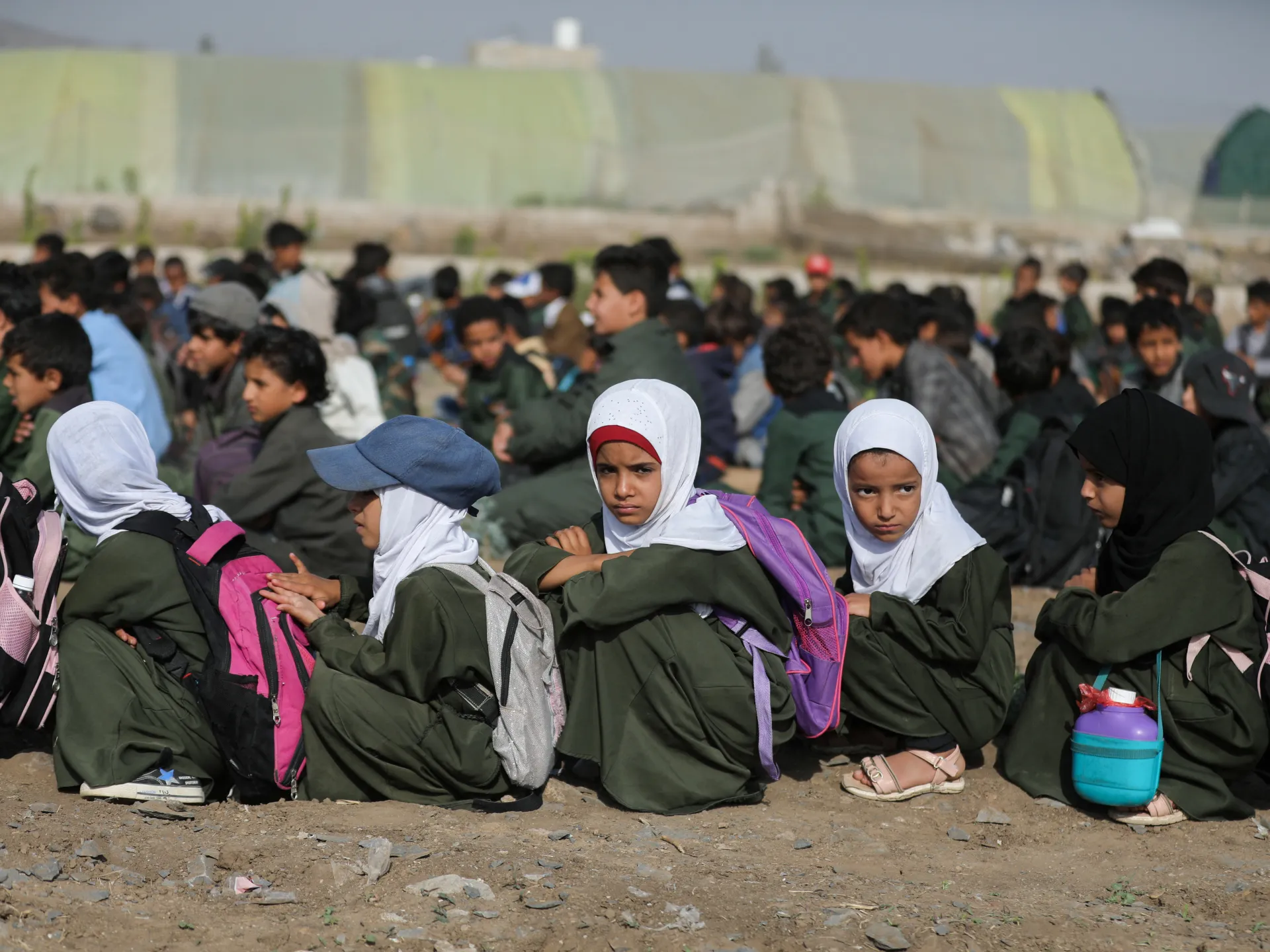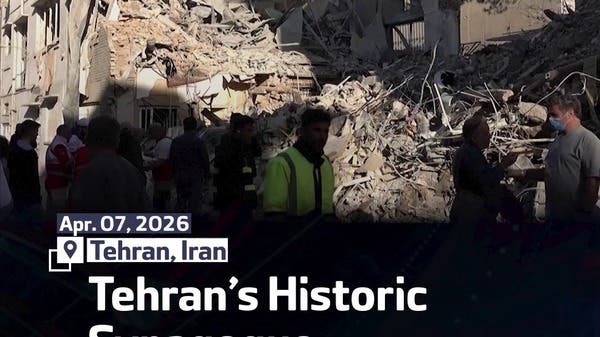

The destruction of cultural assets in Tehran underscores escalating geopolitical risks with profound implications for sovereign capital deployment across the Gulf Cooperation Council (GCC) states. While Iran’s isolation deepens, regional sovereign wealth funds, particularly those in Saudi Arabia and the UAE, are strategically positioned to capitalize on potential distressed asset opportunities and fill vacuums in regional trade and logistics. This dynamic accelerates the realignment of MENA’s geopolitical economy, compelling GCC capitals to recalibrate investment flows into sectors previously dominated by Iranian influence, including energy transit routes and regional trade hubs. The heightened risk premium associated with Iranian assets necessitates a more rigorous due diligence process for regional sovereign and institutional investors.
Venture capital activity in the broader MENA ecosystem will experience indirect ramifications, as security concerns and operational disruptions near key Iranian innovation hubs deter cross-border investments. Regional VC funds, flush with capital from diversified sovereign backers, may redirect allocations toward more stable North African markets and the burgeoning Saudi tech corridor. However, the conflict also presents a grim backdrop for Iranian startups reliant on international funding, potentially forcing accelerated pivots towards regional markets within the GCC or attracting niche investment from risk-tolerant funds seeking exposure to Iran’s resilient technical talent pool amidst heightened volatility.
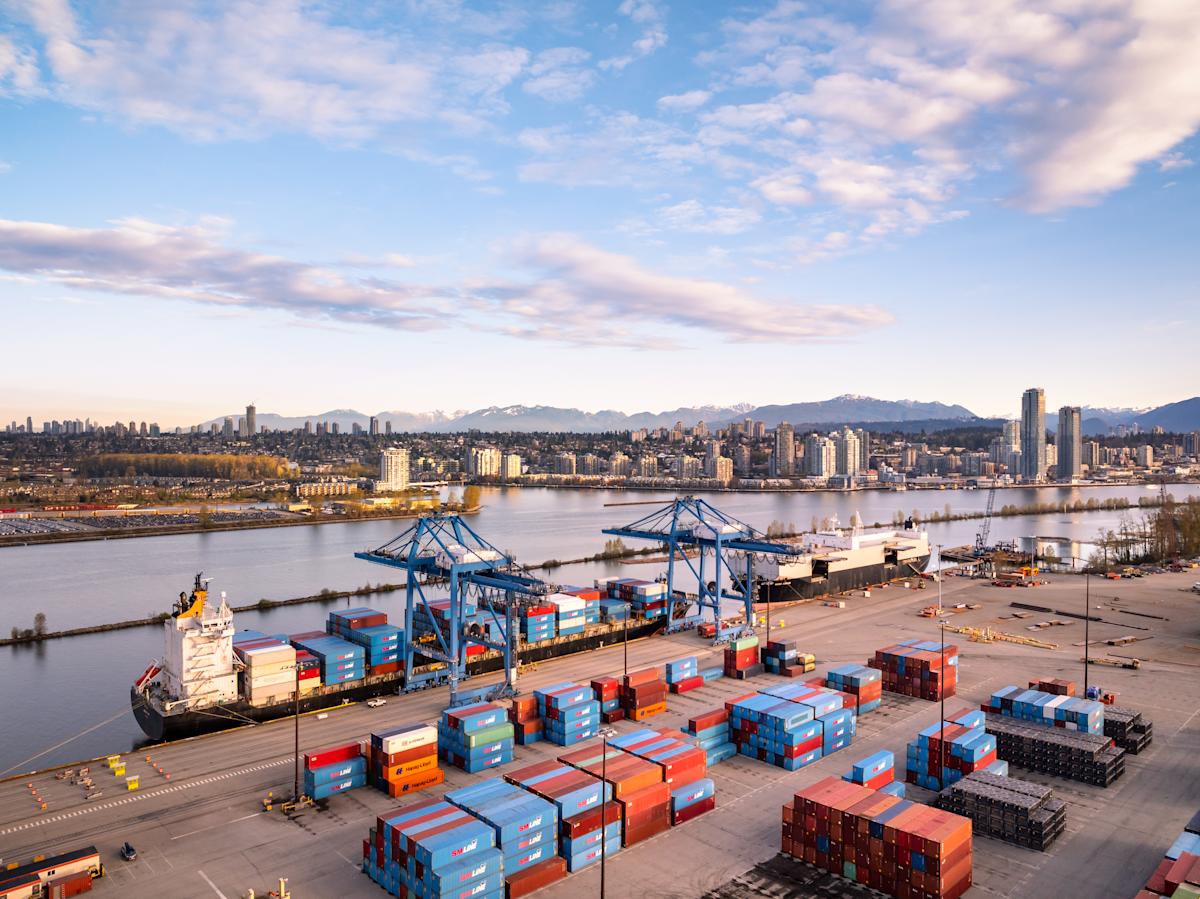
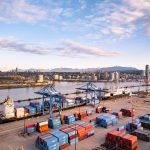
Infrastructure development in the region faces significant headwinds, as any sustained conflict in Iran threatens the stability of critical regional corridors, including maritime routes in the Gulf and terrestrial networks linking Asia to Europe. GCC-led infrastructure initiatives, such as NEOM and the planned regional rail networks, gain heightened strategic importance as alternative conduits, potentially triggering accelerated investment to ensure diversification away from vulnerable assets near Iranian borders. The destruction of key infrastructure within Iran itself, irrespective of the target, further complicates regional supply chains and underscores the urgent need for GCC states to fortify their own logistical and energy infrastructure resilience against spillover effects.