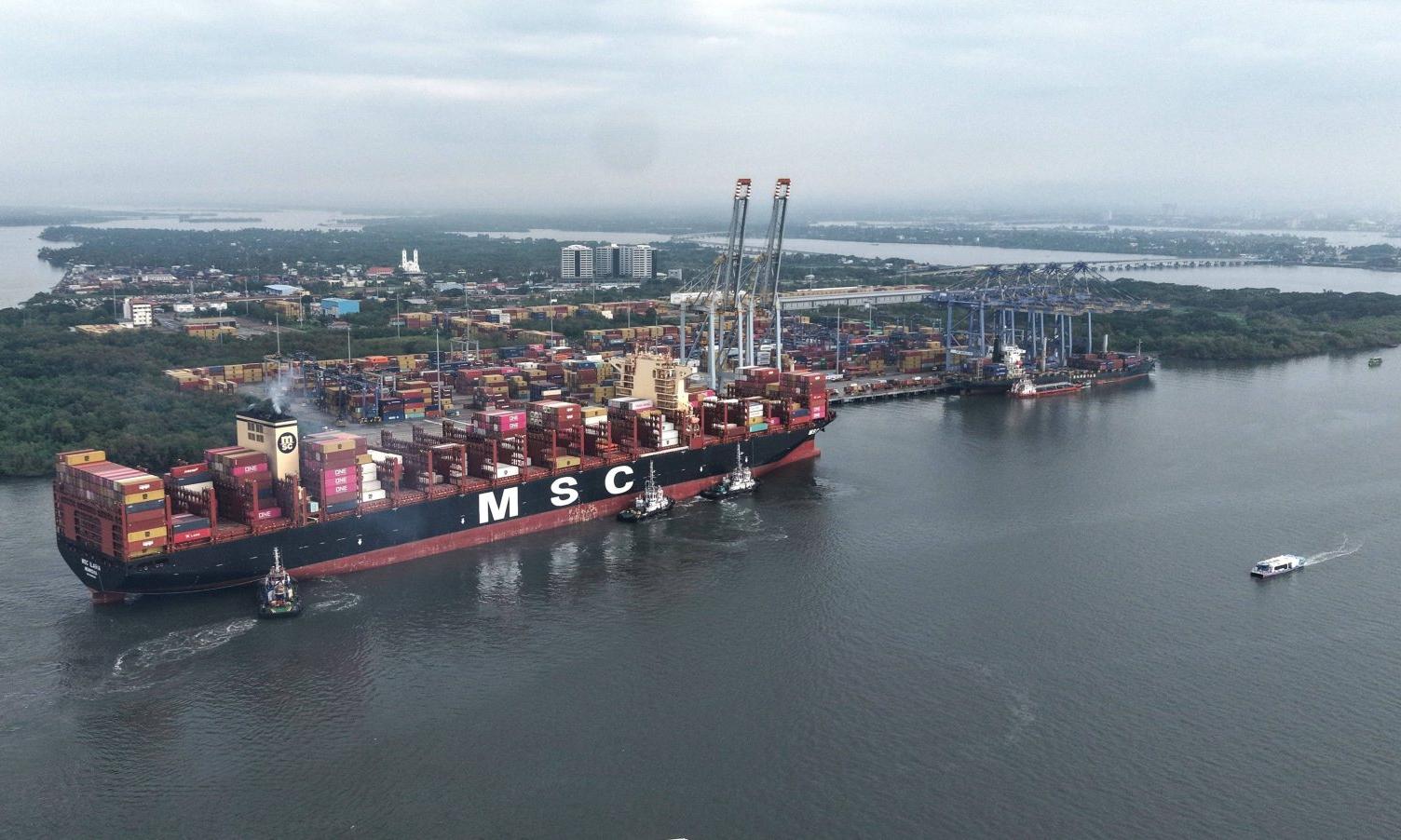

The berthing of MSC Ilaria at DP World Cochin, handling a record 8,000 TEUs in a single call, signals a decisive shift toward ultra‑large container vessels (ULCVs) that demand commensurate port infrastructure and financing mechanisms. The vessel’s 16,616‑TEU capacity and 17‑metre draft underscore the logistical scale now expected of emerging maritime hubs, reinforcing the strategic imperative for sovereign‑backed capital to modernise berths, power supply, and container yards.
Such upgrades are increasingly funded through sovereign wealth injections and blended finance structures that leverage state-owned entities to attract private‑sector venture capital into port‑adjacent logistics ecosystems. In the Middle East and North Africa, where sovereign funds have earmarked billions for coastal infrastructure, the Cochin precedent illustrates how targeted capital allocations can de‑risk large‑scale projects, catalyse ancillary tech investments, and accelerate the integration of regional ports into global supply chains.
The commercial ramifications extend beyond volume metrics; they reshape trade route economics and incentivise faster vessel turnaround, reducing demurrage costs and enhancing predictability for EXIM stakeholders. For MENA economies seeking to position themselves as trans‑shipment gateways, replicating Cochin’s infrastructural upgrades—backed by sovereign capital and complemented by VC‑driven digital logistics platforms—offers a replicable blueprint for elevating regional trade volumes and attracting foreign maritime tenants.
Ultimately, the MSC Ilaria call serves as a bellwether for the macro‑financial dynamics governing modern port development. It demonstrates that sovereign capital, when strategically deployed alongside venture‑backed technology upgrades, can unlock the scale required to accommodate next‑generation ULCVs, thereby reinforcing the Middle East and North Africa’s ambition to become pivotal nodes in the evolving global maritime network.