
Starfish Space’s recent $100 million Series B round, anchored by Point72 Ventures and co‑led by Activate Capital and Shield Capital, pushes the company’s total capital to over $150 million since its 2019 inception. While the financing originated in the United States, the scale of the raise is reshaping the investment calculus for sovereign wealth funds and sovereign‑linked venture vehicles across the Middle East and North Africa. Gulf sovereign investors, who have earmarked upwards of $30 billion for space and satellite infrastructure in their 2025‑2030 strategic plans, are now poised to allocate a larger share to on‑orbit servicing firms that promise to extend the economic life of existing GEO assets and provide end‑of‑life disposal for LEO constellations—services that directly support the region’s ambitious broadband and remote‑sensing projects.
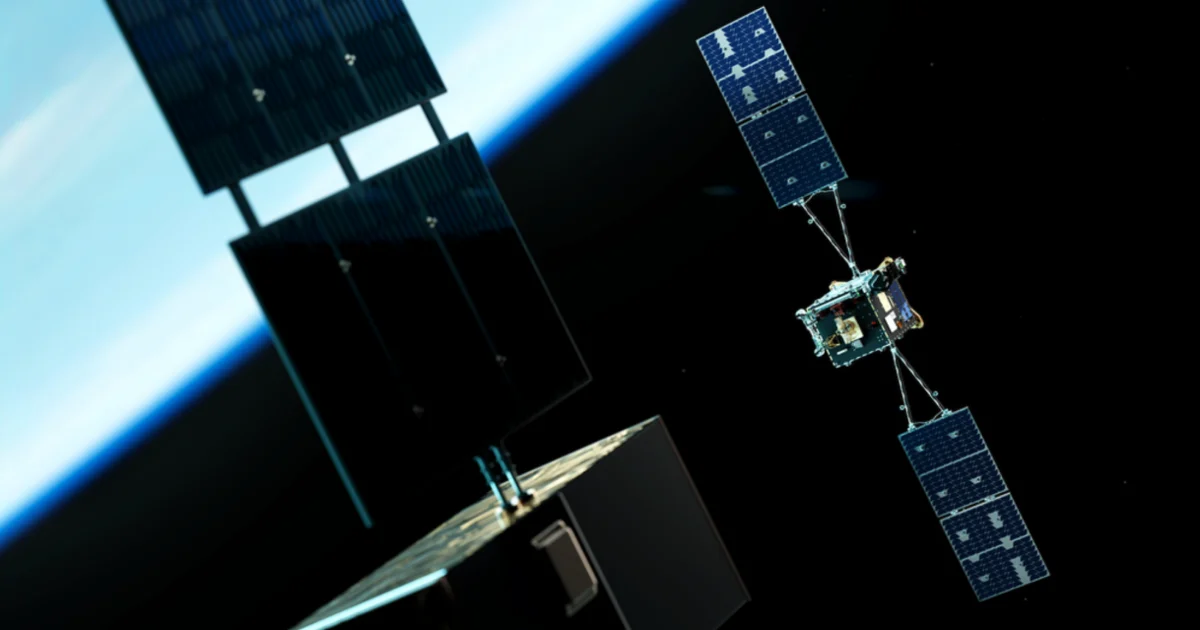
Starfish’s Otter platform, already under contract with the U.S. Space Force, NASA, and commercial operators such as SES, delivers both life‑extension and debris‑removal capabilities without requiring satellite modification. This dual‑use model aligns with the emerging “orbital infrastructure” paradigm that MENA governments are adopting to safeguard their expanding satellite fleets, many of which are financed through sovereign credit lines. By integrating Otter’s services, regional operators can defer costly replacements, preserve the value of state‑owned assets, and mitigate the geopolitical risk of orbital debris—an issue that has prompted the United Arab Emirates to propose a regional debris‑alert framework at the recent Arab League summit.
The capital influx will also accelerate the development of regional ground‑segment and data‑relay networks needed to command and monitor servicing missions. Infrastructure ministries in Saudi Arabia and Qatar have already signaled intent to co‑invest in ancillary ground stations and secure‑link facilities, leveraging the venture round as a catalyst for public‑private partnerships. Such investments are expected to generate a multiplier effect, stimulating downstream industries ranging from satellite manufacturing to AI‑driven traffic management, and reinforcing the MENA region’s position in the global space supply chain.
From a venture‑capital perspective, the participation of legacy investors like Munich Re Ventures and Toyota Ventures, alongside new entrants Nomi Capital and Gaingels, validates the sector’s risk‑adjusted return profile. Their continued commitment signals to regional VC funds that the on‑orbit servicing market is moving from proof‑of‑concept to commercial scale. Consequently, we can anticipate a cascade of follow‑on financing rounds, joint‑venture agreements, and sovereign‑backed pilot programs that will embed Starfish’s technology into the fabric of MENA’s orbital asset management strategy, ultimately enhancing the long‑term resilience and monetisation of the region’s space infrastructure.