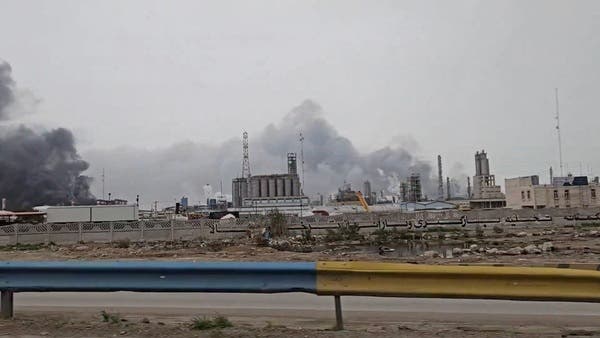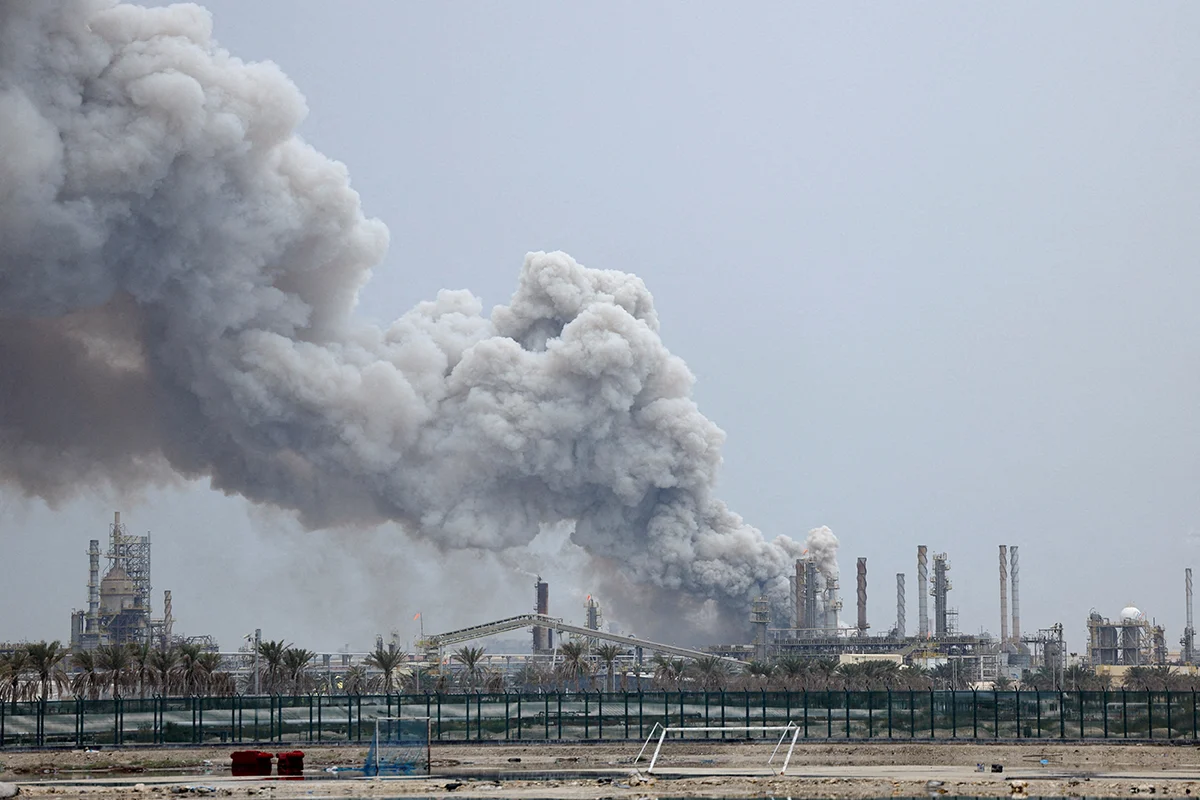

The protracted energy asset disruptionsacross the Gulf Cooperation Council (GCC) have precipitated a profound reassessment of regional energy security, sovereign wealth management, and infrastructure resilience. Major producers—Saudi Arabia, Qatar, Kuwait, Bahrain, Iraq, and the UAE—have grappled with operational halts, fires, and force majeure declarations that have throttled output and market access. This instability has not only impaired immediate revenues but also exposed vulnerabilities in supply chain architecture critical to global energy flows.
Sovereign capital management faces significant pressure. QatarEnergy’s disclosure of a 17% LNG export capacity reduction from Ras Laffan, projected to inflict an annual revenue loss of approximately $20 billion, underscores the acute financial strain on state resources. Similarly, Kuwait and Saudi Arabia incurred costly repairs and operational downtime; Kuwait Petroleum Corporation’s reporting of severe unit damage at Mina al Ahmadi, following earlier incidents, exemplifies the persistent threat to refining infrastructure. These events necessitate accelerated capital deployment for restoration and diversification, diverting funds from sovereign wealth investment portfolios.
The crisis has catalyzed a strategic realignment of market participation. Reduced Qatari LNG volumes forced Asian buyers to return to the spot market, simultaneously boosting US LNG exports to a March record of 11.7 million tonnes and disrupting established pricing dynamics. Meanwhile, Gulf producers, particularly the UAE, leveraged robust infrastructure buffers to mitigate export impacts, with ADNOC Logistics’ extensive network of 100+ customers across 50+ countries serving as a stabilizing force. This contrast highlights divergent resilience pathways.
Regional venture capital interest is increasingly focused on infrastructure hardening and digitalization to preempt future disruptions. Investments in predictive maintenance, grid security, and autonomous logistics solutions represent emerging opportunities. The current instability thus acts as a catalyst for innovation-driven capital allocation, aiming to future-proof sovereign energy assets and enhance market reliability. The Gulf’s energy landscape, fundamentally reshaped by this disruption cycle, demands sustained sovereign capital commitment and strategic VC partnerships to navigate a more volatile global energy matrix.