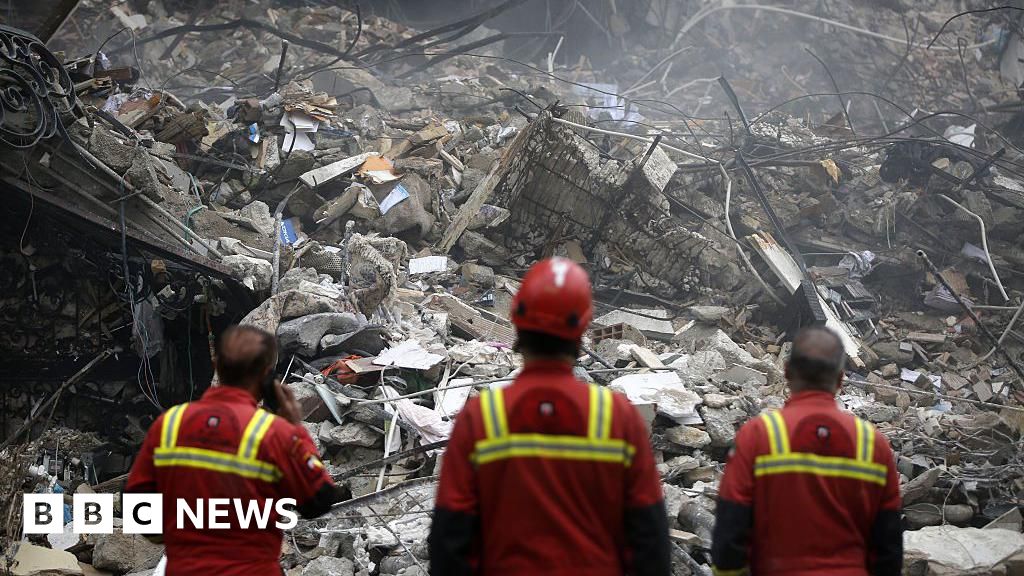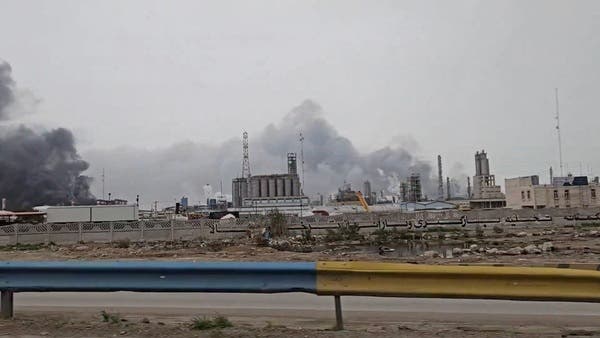

Recent strikes targeting Iranian petrochemical infrastructure, specifically the Amir Kabir complex in Mahshahr, represent a significant escalation with profound implications for the MENA region’s financial and technological landscape. While initial reports indicate limited casualties, the targeting of this critical industrial hub – a key revenue stream for Iran circumventing international sanctions – signals a deliberate strategy to disrupt the nation’s economic capacity. The business impact extends beyond Iran, potentially destabilizing regional energy markets and exacerbating inflationary pressures across the MENA region, particularly impacting import-dependent economies. This action necessitates a reassessment of risk premiums for investments in the region and could trigger further volatility in commodity prices.
The escalating tensions underscore the crucial role of sovereign wealth funds (SWFs) in the region. Funds like Mubadala Investment Company (UAE), Qatar Investment Authority, and Saudi Arabia’s Public Investment Fund (PIF) are increasingly focused on diversifying their portfolios beyond hydrocarbons. However, geopolitical instability directly impacts their investment strategies, potentially diverting capital away from riskier ventures in the short term and reinforcing a preference for safer, developed market assets. Furthermore, the increased uncertainty will likely influence the pace and scale of planned technology investments, particularly those reliant on cross-border collaboration or involving Iranian entities. The potential for broader conflict necessitates a heightened focus on resilience and contingency planning within these SWFs.
The venture capital (VC) ecosystem across the MENA region is also facing headwinds. While the region has witnessed substantial growth in VC funding, particularly in fintech and e-commerce, this latest development introduces a layer of complexity. Investors, both regional and international, will be scrutinizing the potential for supply chain disruptions and increased regulatory hurdles. The impact is likely to be most pronounced in sectors reliant on Iranian raw materials or those with significant exposure to Iranian markets. We anticipate a slowdown in deal flow and a greater emphasis on due diligence, with a focus on companies demonstrating operational independence from Iranian entities. The need for robust cybersecurity measures and geopolitical risk assessment frameworks within VC portfolios is now paramount.
Finally, the events highlight the fragility of regional infrastructure and the imperative for enhanced security protocols. The targeting of petrochemical facilities underscores the vulnerability of critical infrastructure to asymmetric threats. This will likely accelerate investment in advanced security technologies, including surveillance systems, cybersecurity solutions, and physical protection measures. Governments across the MENA region will be compelled to bolster their infrastructure resilience, potentially diverting resources from other development priorities. The long-term consequence is a shift towards a more fortified and technologically advanced infrastructure landscape, albeit at a considerable cost, and a renewed focus on regional cooperation to mitigate shared security risks.