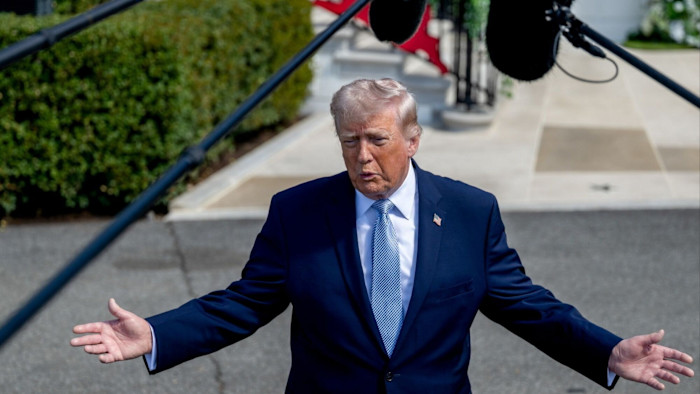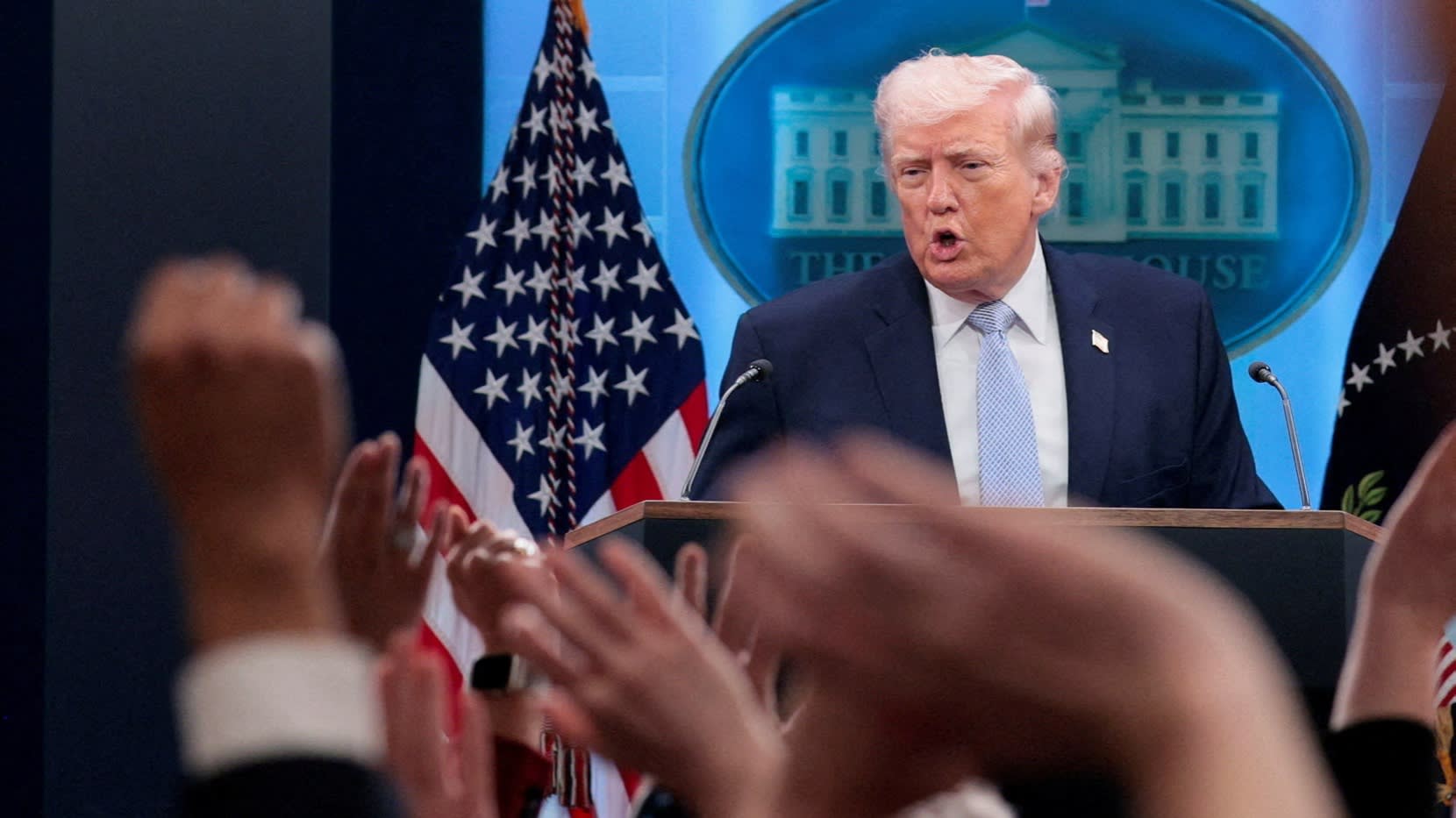

The potential shift in U.S. diplomatic posture toward Iran, signaled by Donald Trump’s characterization of Tehran’s 10-point proposal as a “workable basis” for negotiations, introduces a critical variable for MENA region risk pricing. For institutional investors and sovereign wealth funds (SWFs), a credible path toward de-escalation would significantly compress geopolitical risk premiums, potentially unlocking frozen capital flows and stabilizing regional energy markets. The prospect of a negotiated settlement suggests a pivot away from the “maximum pressure” paradigm, creating a window for the normalization of trade corridors that have remained dormant due to sanctions regimes.
From a capital markets perspective, a thaw in U.S.-Iran relations would catalyze a strategic realignment of venture capital and foreign direct investment (FDI) across the Gulf. The reduction of systemic volatility would allow GCC states to accelerate their diversification mandates—such as Saudi Arabia’s Vision 2030—by diverting resources from defensive security spending toward high-growth technology sectors and regional infrastructure. Furthermore, the potential lifting of secondary sanctions would incentivize global private equity firms to reconsider exposure to Iranian industrial assets, particularly in energy and petrochemicals, which have been undervalued due to political isolation.
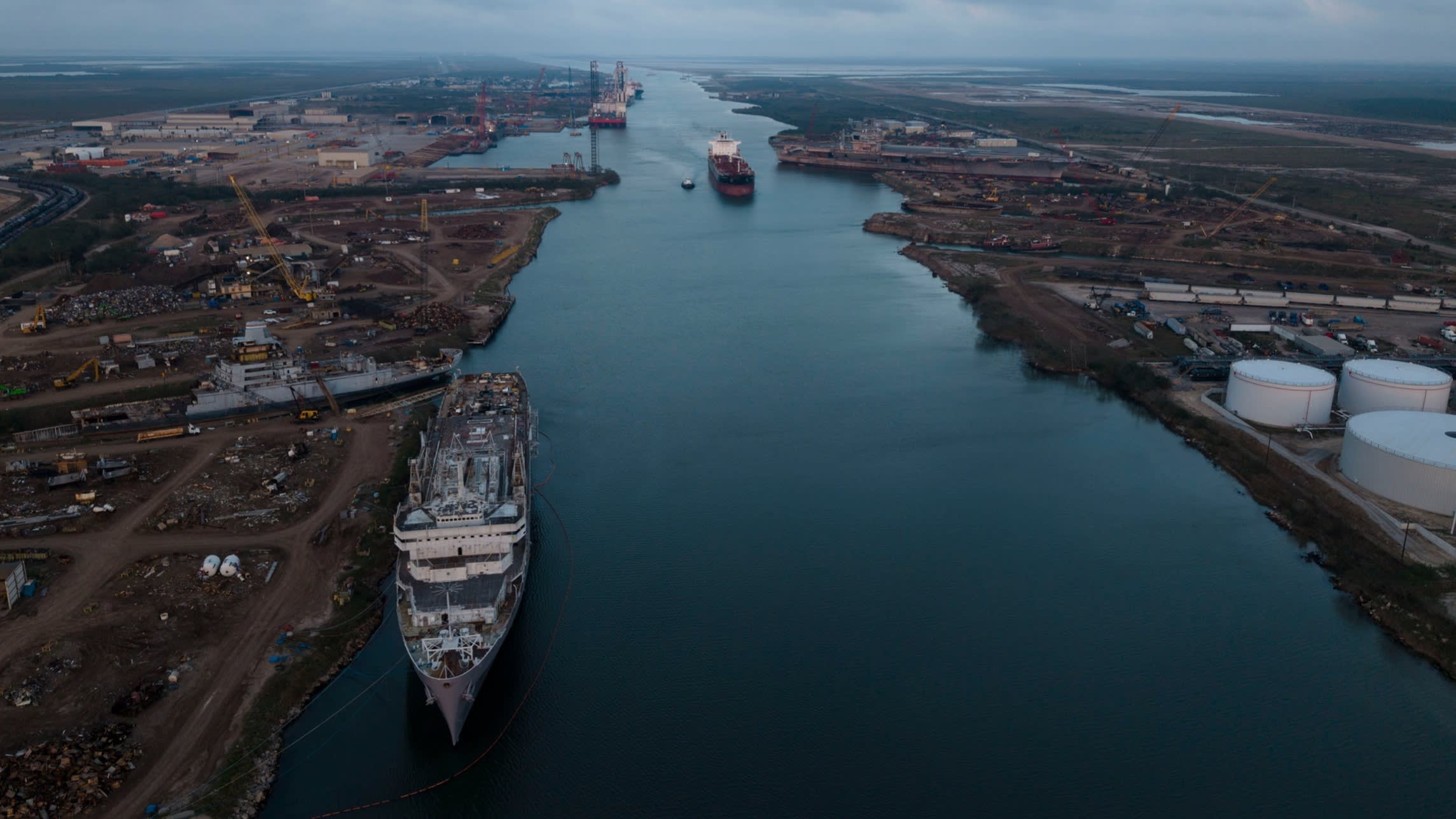
Crucially, the stability afforded by a diplomatic breakthrough would secure the viability of critical regional infrastructure projects, including the IMEC (India-Middle East Europe Economic Corridor) and various cross-border logistics networks. The mitigation of kinetic threats in the Strait of Hormuz is a prerequisite for the long-term institutionalization of the region as a global logistics hub. As sovereign capital increasingly seeks non-correlated assets, a stabilized geopolitical environment would transform the MENA region from a zone of tactical hedging into a primary destination for strategic, long-term institutional deployment.