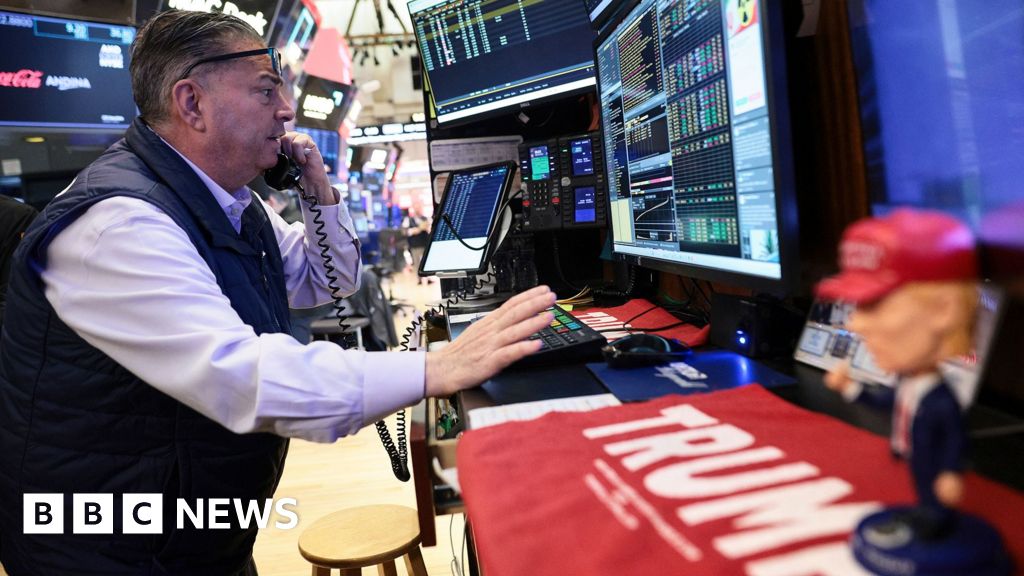

Donald Trump’s escalation of brinkmanship with Iran, a manifestation of his reported adherence to the “Madman Theory,” poses acute economic and financial risks to the Middle East and North Africa (MENA) region. Unlike historical precedents, such as Nixon’s covert threats during the Vietnam War, Trump’s publicized ultimatums—including his pledge to erase a nation—have amplified market volatility and exposed fragilities in regional sovereign and venture capital ecosystems. The immediate consequence is a sharp increase in oil price volatility, as Gulf states and global energy markets recalibrate to the risk of Iranian retaliation or disruption to energy infrastructure. While Middle Eastern oil producers have absorbed short-term shocks, sustained uncertainty could trigger capital flight from risk-sensitive assets, disproportionately affecting sovereign funds dependent on Western equity markets. Central banks in the region—particularly in Egypt and Turkey—face heightened pressure to intervene in currency markets, further straining already thin reserves.
The ripple effects of Trump’s strategy extend to sovereign capital flows and debt sustainability. A protracted conflict or abrupt escalation could provoke downgrades to Iran’s debt, triggering a domino effect of instability across regional creditors and multinational lenders. Saudi Arabia, the UAE, and Qatar—key holders of U.S. Treasuries and European sovereign bonds—may divert liquidity reserves to hedging instruments, reducing availability for infrastructure financing. Meanwhile, the specter of a potential oil embargo weaponizes energy pricing, exposing MENA’s $1.2 trillion sovereign wealth funds to macroeconomic turbulence. Financial analysts, including Christine Lagarde, have underscored the non-linear risks of “black swan” scenarios in the region, where infrastructure interdependencies—particularly in logistics and maritime chokepoints like the Strait of Hormuz—amplify shocks. Any disruption would reverberate through supply chains, exacerbating inflationary pressures and complicating efforts to transition to renewable energy portfolios.
Venture capital sentiment toward MENA remains precarious amid geopolitical turbulence. While pre-war valuations had normalized in markets like Israel and the UAE, regional startups now contend with dual headwinds: escalating defense spending diverting risk capital from innovation, and heightened regulatory scrutiny post-2024. The U.S. government’s focus on “trusted” tech corridors may inadvertently sideline MENA ventures lacking local de-risking guarantees, as global investors prioritize nearshoring to politically stable hubs like Morocco and Tunisia. However, rule-of-law reforms in Gulf Cooperation Council (GCC) states could attract capital seeking stable semiconductor, clean energy, and adtech ecosystems. Ironically, the very instability fueling regional uncertainty may compel investors to prioritize infrastructure resilience—such as cybersecurity networks and decentralized energy grids—over speculative bets. Yet, the absence of verifiable peace dividends underscores the fragility of such recalibrations, leaving venture capitalists exposed to policy pivots and battlefield overhangs.
The historical record offers little solace for policymakers banking on deterrence through unpredictability. Nixon’s covert threats, though flawed, at least spared Vietnam’s fragile economy from direct warfare—a luxury denied to Iran, whose oil-driven economy remains a cornerstone of global trade. Trump’s public calculus risks a self-fulfilling cycle of retaliation, eroding investor confidence in MENA’s infrastructure investments, from renewables to smart cities. The region’s ability to navigate this crisis will hinge on adaptive monetary policies, strategic diversification of sovereign wealth portfolios, and accelerated regional integration to insulate economies from extra-state disruptions. Yet, as Nixon’s legacy in Vietnam illustrates, even the most disciplined filmmakers of “chaos” cannot fully control the narrative—or the economic reckoning it precipitates.