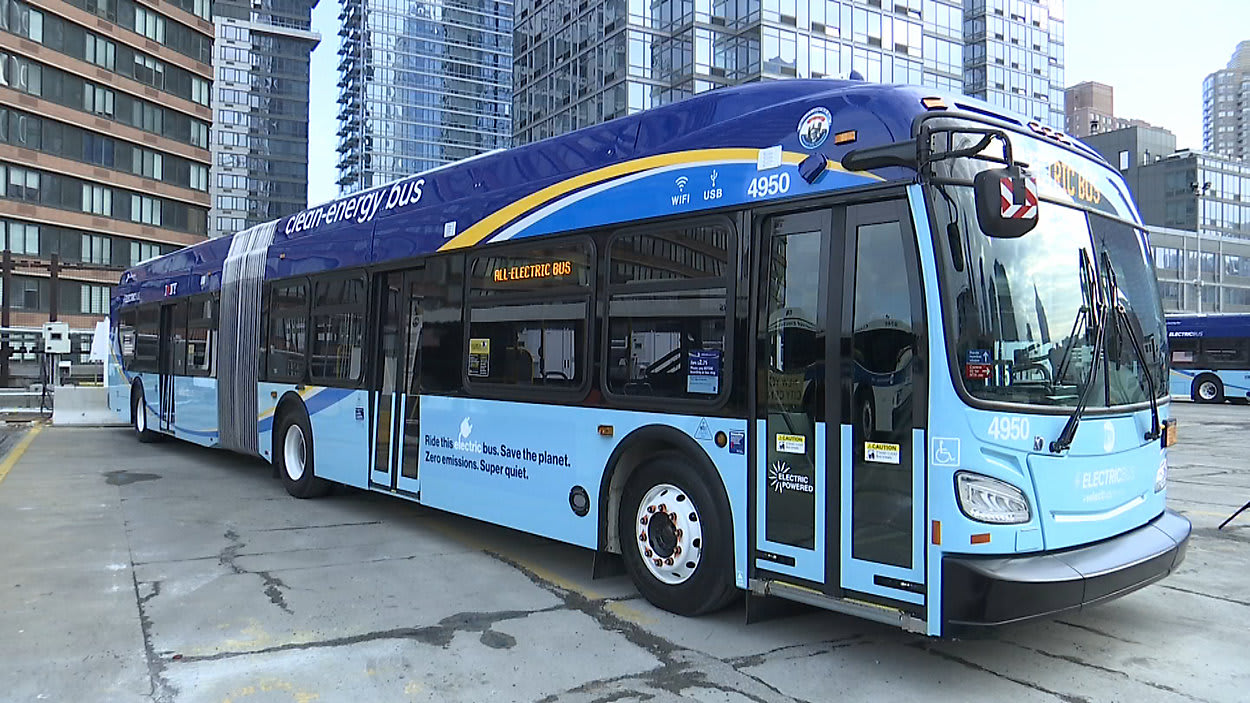

The Saudi electric‑bus market,now valued at roughly $564 million in 2025 and projected to surpass $2.9 billion by 2034, is being propelled by a coordinated sovereign‑driven strategy that aligns directly with Vision 2030. Government allocations—principally from the Public Investment Fund (PIF)—are financing megaprojects such as NEOM, the Red Sea development, and Qiddiya, embedding zero‑emission mobility into their core infrastructure. This policy‑backed demand is accelerating fleet electrification, with operators in Riyadh, Jeddah, and Dammam committing to large‑scale deployments that are reshaping the Kingdom’s public‑transport economics.
Parallel to sovereign spending, a rapidly expanding charging ecosystem, led by EVIQ and its alliance with BYD, is delivering over 5 000 fast‑charging stations across 1 000 sites. The integration of advanced GridLink technology and solar‑powered hubs not only mitigates grid constraints in the desert climate but also creates a replicable model for other Gulf states. This infrastructure thrust is attracting venture‑capital interest in localized battery‑thermal management and AI‑driven fleet‑optimization firms, positioning the region as a testbed for scalable EV solutions that can be exported to neighboring MENA markets.
From a business perspective, the market is catalyzing a wave of strategic partnerships between global OEMs—such as BYD, Daimler, and Volvo—and Saudi logistics and construction conglomerates seeking to meet local‑content targets while securing long‑term maintenance and services contracts. These collaborations are generating high‑value employment and technology transfer, while also unlocking new revenue streams for asset managers and sovereign wealth funds eager to diversify away from hydrocarbon dependency. The resulting ecosystem supports a broader regional ambition to become a hub for green mobility manufacturing and services.
Looking ahead, the convergence of sovereign capital, venture financing, and infrastructure investment is expected to cement Saudi Arabia’s role as the central catalyst for electric‑bus adoption across the Middle East and North Africa. Success will hinge on the ability to standardize charging protocols, foster durable public‑private frameworks, and leverage the Kingdom’s logistical prowess to export both technology and expertise. If these conditions are met, the Kingdom will not only achieve its decarbonization targets but also set a benchmark for large‑scale, capital‑intensive mobility transitions throughout the region.