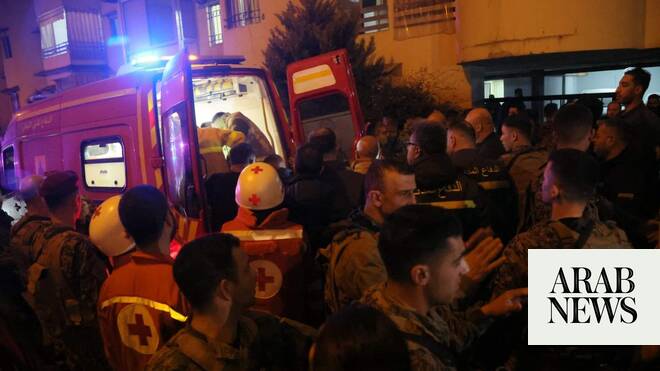

Saudi Arabia’s Ministry of Defence announced the successful interception and destruction of five ballistic missiles targeting the Eastern Province, a development that underscores the Kingdom’s expanding indigenous air‑defence capabilities. The operation, confirmed on the ministry’s official X channel in the early hours of 8 April 2026, coincided with a diplomatic breakthrough in which the United States and Iran agreed to a cease‑fire aimed at curbing missile activity across the Gulf. While the immediate security implications dominate headlines, the incident carries broader ramifications for sovereign capital allocation, venture investment, and regional infrastructure development.
From a fiscal perspective, the Saudi government is likely to accelerate spending on next‑generation missile‑defence systems, integrating radar, satellite tracking and AI‑enabled interceptors. This capital infusion will flow through state‑owned defence firms such as Saudi Arabian Military Industries (SAMI) and through strategic partnerships with foreign OEMs, creating a pipeline of high‑technology contracts that could boost sovereign wealth fund (SWF) returns over the medium term. The heightened focus on indigenous capability aligns with Vision 2030’s goal of reducing reliance on external suppliers, thereby retaining a larger share of defence‑related R&D revenues within the Kingdom.
For venture capitalists, the heightened threat environment is sharpening the investment thesis around dual‑use technologies. Start‑ups specializing in real‑time data analytics, autonomous weaponry, and secure communications are now positioned to attract both public and private funding, as ministries seek rapid commercialisation of home‑grown solutions. The region’s burgeoning tech ecosystem in Riyadh, Jeddah and Dubai is likely to see an uptick in Series A rounds, with sovereign investors and sovereign‑linked funds eager to secure early stakes in firms that can feed into the national defence supply chain.
Infrastructure planners must also reassess the resilience of critical assets—oil export terminals, power grids and logistics hubs—in light of the demonstrated missile threat. Investment in hardened facilities, underground command centres and redundancy networks will become a priority for both state operators and private concessionaires. The convergence of security imperatives with the Kingdom’s broader diversification agenda suggests a sustained, multi‑billion‑dollar flow of capital into projects that blend defence, energy and digital infrastructure, reshaping the MENA investment landscape for the coming decade.