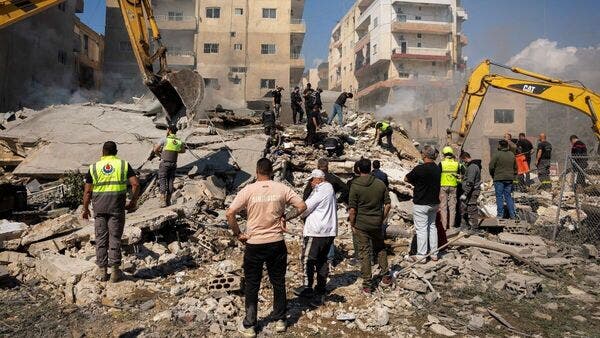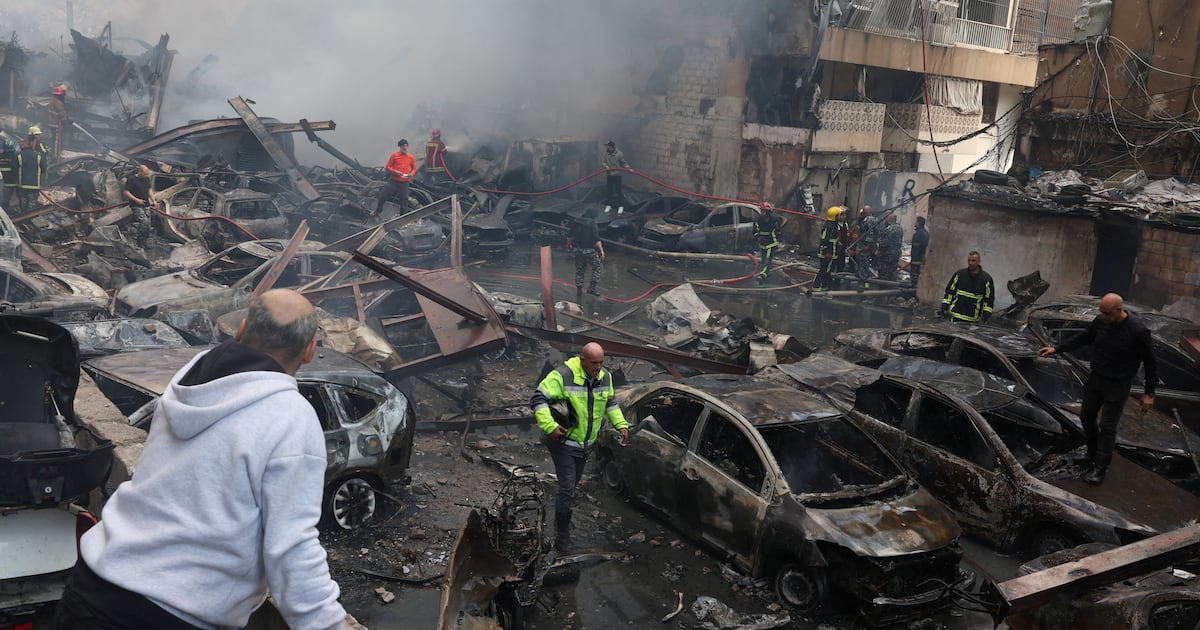

The escalating geopolitical volatility between Tehran, Tel Aviv, and Washington has introduced a critical risk premium into the MENA region’s macroeconomic outlook. Iran’s threat to rescind its commitment to a ceasefire pact following renewed hostilities in Lebanon signals a fragility in regional security frameworks that directly threatens the stability of sovereign wealth fund (SWF) allocations. For institutional investors, this instability transforms the Levant from a peripheral concern into a systemic risk, potentially triggering capital flight from emerging market assets and increasing the cost of credit for regional governments.
From a venture capital and technology infrastructure perspective, the persistent threat of systemic conflict jeopardizes the “Digital Silk Road” and cross-border data corridor ambitions. The instability disrupts the deployment of critical regional infrastructure, including undersea cables and cloud data centers, which are essential for the GCC’s diversification away from hydrocarbons. As sovereign capital pivots toward “safe-haven” domestic projects, the appetite for risk-heavy tech expansions in the broader Middle East is likely to contract, stifling the growth of the regional startup ecosystem and deterring foreign direct investment (FDI).
Ultimately, the disconnect between Iran’s expectations and the US-Israel diplomatic framework underscores a profound lack of institutional predictability. For the financial hubs of Riyadh, Abu Dhabi, and Doha, this volatility complicates the execution of long-term strategic visions, such as Saudi Arabia’s Vision 2030, by inflating insurance premiums for infrastructure projects and complicating trade logistics. The intersection of military escalation and diplomatic failure continues to act as a ceiling on the region’s valuation, ensuring that geopolitical hedging remains a primary driver of institutional capital movement.