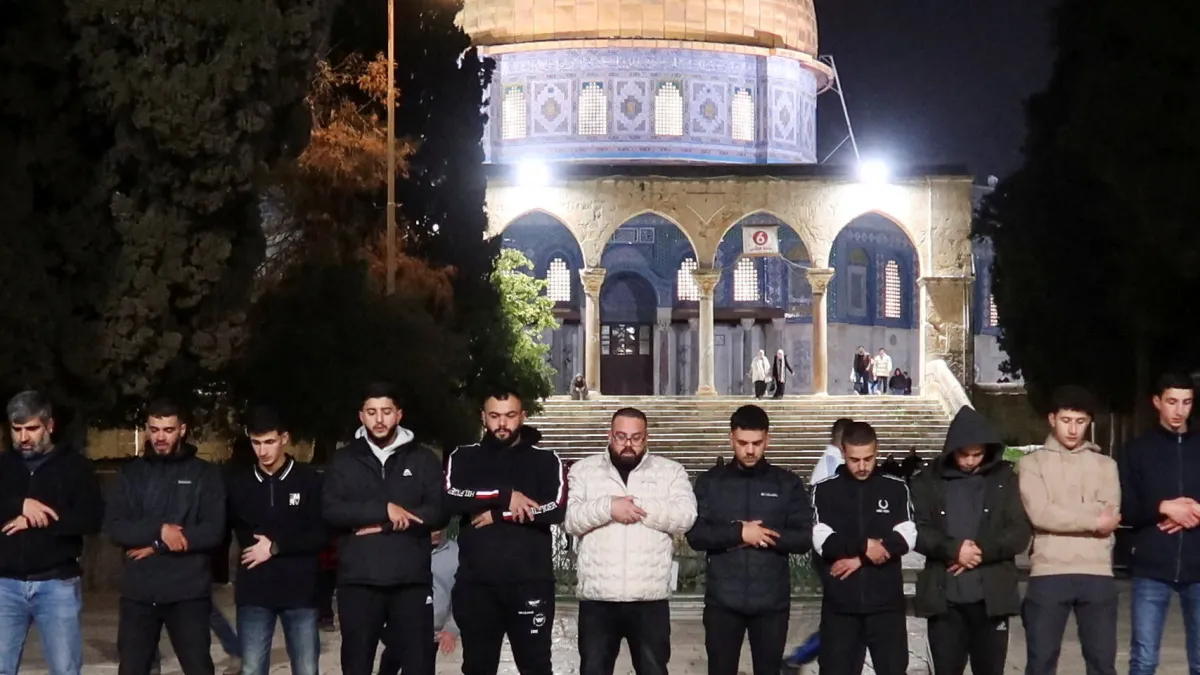

The reopening of the Al-Aqsa Mosque compound after a 40-day closure marks a fragile shift in a region where military conflict, political maneuvering, and economic uncertainty continue to destabilize investment climates. While the temporary resumption of worship highlights a tactical de-escalation, it underscores the fragility of peace dividends in a region where sovereign capital flows remain contested and venture capital activity is stifled by persistent geopolitical risks. The lifting of restrictions follows a broader Israeli military and security strategy aimed at balancing domestic security imperatives with strategic regional posturing, which has directly impacted business confidence and infrastructure development across the Middle East and North Africa.
Sovereign capital flows in the region have been heavily influenced by the ongoing Israeli-Palestinian tensions, with key economies in the area—such as Egypt, Jordan, and Gulf states—navigating complex diplomatic and economic trade-offs. The sustained conflict has led to increased volatility in regional currencies, heightened commodity price fluctuations, and a cautious approach by foreign institutions toward sovereign debt instruments. For instance, the recent flare-ups in Lebanon and the West Bank have exacerbated concerns over fiscal sustainability for countries already grappling with debt-to-GDP ratios above 50%, potentially prompting credit rating downgrades. Meanwhile, the strategic rivalry between the U.S. and Iran has redirected military and defense spending, further diverting resources from critical infrastructure and technological innovation.
Venture capital activity in the MENA region remains constrained by the lack of a stable political and security environment, with investors prioritizing risk mitigation over growth opportunities. While the U.S. and Israeli partnership continues to drive innovation in sectors like fintech and cybersecurity, the broader regional ecosystem faces challenges in attracting long-term capital. The uncertainty surrounding the status of holy sites and the ongoing humanitarian crisis have also dampened consumer and business sentiment, limiting cross-border partnerships and local entrepreneurship. Furthermore, the reallocation of military resources to the southern and central regions of the Middle East has diverted attention from regional tech hubs, such as Dubai and Tel Aviv, where the global tech sector has traditionally found footholds.
Regional infrastructure development remains a critical yet unresolved challenge, with the recent events highlighting the need for resilient systems capable of withstanding both physical and economic shocks. The Israeli military’s intensive security measures in Jerusalem’s Old City, including increased patrols and surveillance, signal a continued focus on security infrastructure, but also raise questions about the broader economic impact on tourism and urban development. Additionally, the forced displacement of over 10,000 Palestinians since 2023 has disrupted local economies and strained public services, exacerbating vulnerabilities in a region where infrastructure investment is essential for long-term stability. As the region grapples with these multifaceted challenges, the interplay between geopolitical dynamics and economic resilience will determine the trajectory of sovereign and private capital in the MENA landscape.