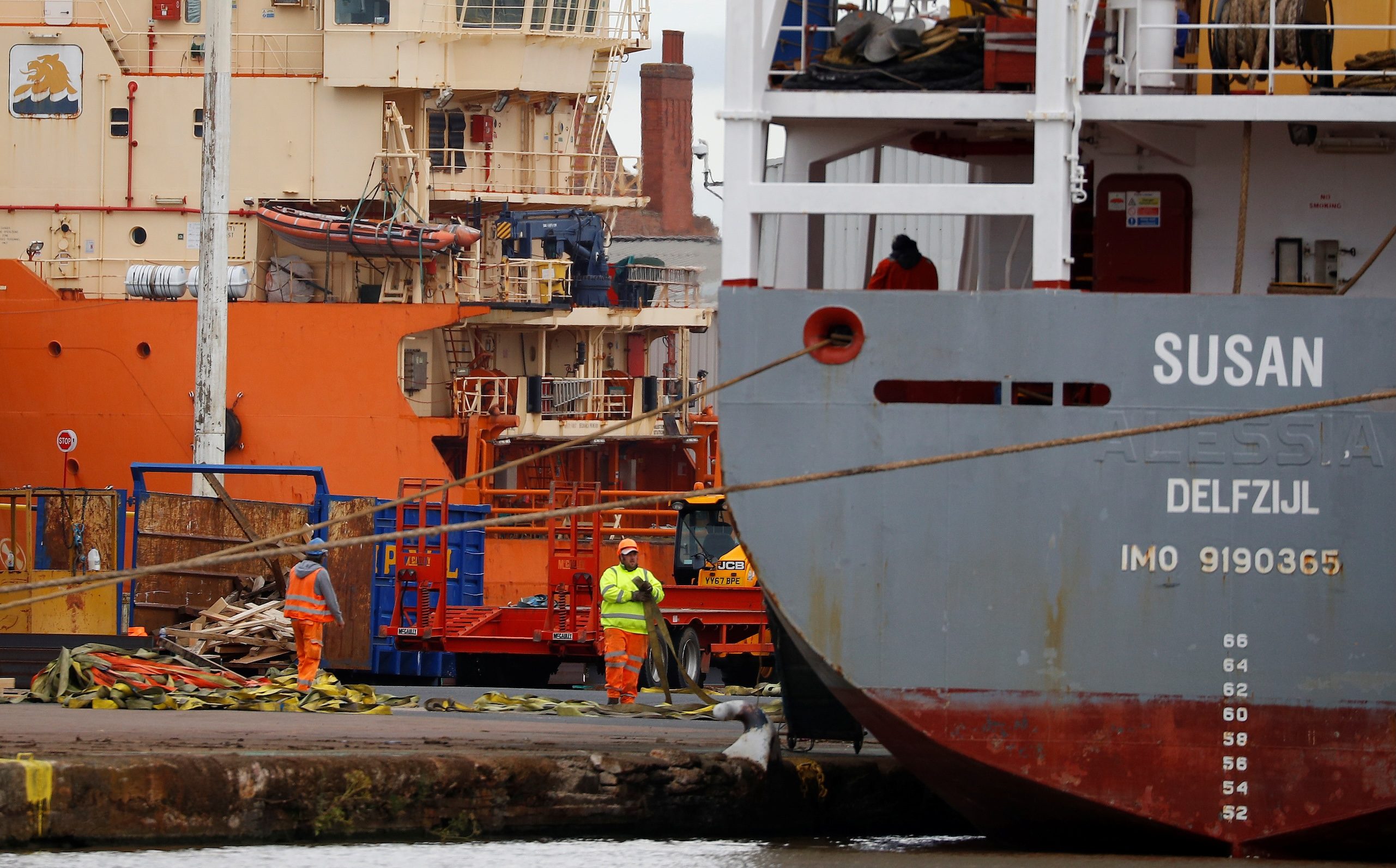

The evolving dynamics of sovereign capital and venture capital investments in the MENA region underscore a pivotal transformation in the economic architecture of the Gulf and Arab worlds. As regional sovereign stakeholders and institutional investors recalibrate their portfolios, the strategic acquisition of stakes in critical infrastructure plays a decisive role in shaping both market structure and long-term growth trajectories. Notably, the ongoing dialogue around DP World’s potential acquisition of a controlling stake in Associated British Ports illustrates a broader trend: the convergence of global port operators with Middle Eastern expansion ambitions, leveraging the continent’s strategic connectivity and logistics potential.
Sovereign investors in the region are increasingly influencing sectoral value chains through both direct ownership and financial partnerships. This infusion of capital is not merely an extension of traditional state investment but represents a calculated recalibration of capital flows in response to evolving trade demands. Venture capital and private equity arms, including Brookfield and BlackRock, are amplifying these trends by injecting substantial resources into port infrastructure and related value-added ecosystems, thereby reinforcing the strategic relevance of MENA ports in the global supply chain matrix. Such financial movements serve not only to bolster regional economic diversification but also to position the Middle East as a pivotal node within the broader Eurasian trade network.
Infrastructure investments are at the heart of sovereign capital deployment, particularly as Dubai and other regional hubs continue to assert themselves as gateway cities for commerce across continents. The convergence of these global and regional forces has profound implications for capital allocation, project financing, and the operational scale of port authorities. For the MENA region, these developments signal a maturing ecosystem where government-backed risk appetite and private sector expertise coalesce to drive tangible economic outcomes. The next phase of this evolution will likely dictate the pace and depth of integration within the international ports sector, cementing the region’s centrality in the global logistics landscape.