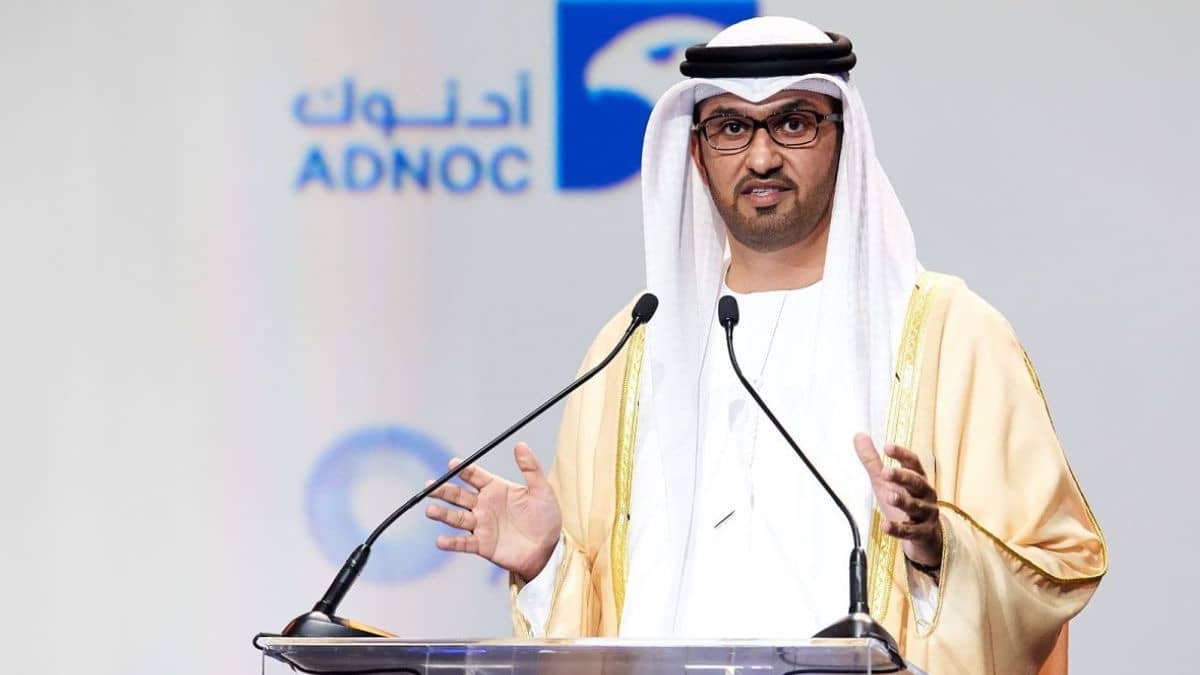

The closure of the Strait of Hormuz by Iran represents a critical disruption to global energy supply chains, with profound implications for the business landscape and sovereign financial strategies across the Middle East and North Africa. The Gulf Cooperation Council economies, reliant on oil exports, face acute challenges as production shortfalls compound market volatility. ADNOC’s ability to mitigate losses through alternative export routes and elevated oil prices highlights short-term resilience, yet prolonged restrictions undermine long-term revenue stability, pressuring sovereign capitals to prioritize buffer reserves and diversified investment portfolios. This scenario forces Gulf states to confront dual risks: maintaining energy security while reallocating sovereign capital toward strategic sectors like renewable energy or logistics infrastructure to insulate against recurring shocks. The UAE’s demand for unconditional reinstatement underscores the geopolitical stakes, as energy chokepoints remain a linchpin for regional economic stability and global financial systems dependent on uninterrupted hydrocarbon flows.
The crisis at Hormuz amplifies sovereign capital constraints in the MENA region, compelling policymakers to recalibrate their approaches to managing state-owned enterprises and foreign investment. Gulf sovereign wealth funds, traditionally anchored in hydrocarbon assets, may face diminishing returns amid fluctuating oil prices and reduced export capacity. This dynamic incentivizes strategic redirection of sovereign funds toward sectors such as green technology or non-energy infrastructure, which could offer more resilient returns. Concurrently, venture capital ecosystems in the region are likely to witness a pivot toward energy security innovations—such as blockchain-based supply chain platforms or AI-driven logistics optimization—aimed at circumventing traditional bottlenecks. Regional infrastructure projects, from alternative maritime corridors to onshore refining capabilities, will emerge as priority areas for sovereign-backed investment, reflecting a broader shift toward mitigating geopolitical vulnerabilities and fostering economic autonomy amid external pressures.
The broader regional infrastructure and venture capital landscape is poised for transformative adjustments in response to Hormuz’s fate. The repeated targeting of energy facilities across the Gulf—from Saudi Arabia to Yemen—highlights the fragility of existing physical assets, pushing governments and private investors to prioritize redundancy and digital resilience. This could catalyze VC activity in alternative energy solutions, such as solar microgrids or hydrogen-based transport, which align with both security imperatives and global decarbonization trends. On a macroeconomic level, sustained disruptions may erode the competitiveness of MENA’s export-oriented economies, necessitating infrastructure modernization to offset transit costs and security risks. Sovereign capitals, while strained by immediate energy revenue losses, may accelerate partnerships with global tech firms to build smart grids or digital payment systems, ensuring smoother energy transitions. Ultimately, the Hormuz impasse serves as a catalyst for recalibrating regional economic strategies, emphasizing diversification, digital infrastructure, and adaptive capital allocation to withstand future shocks in an increasingly volatile geopolitical environment.