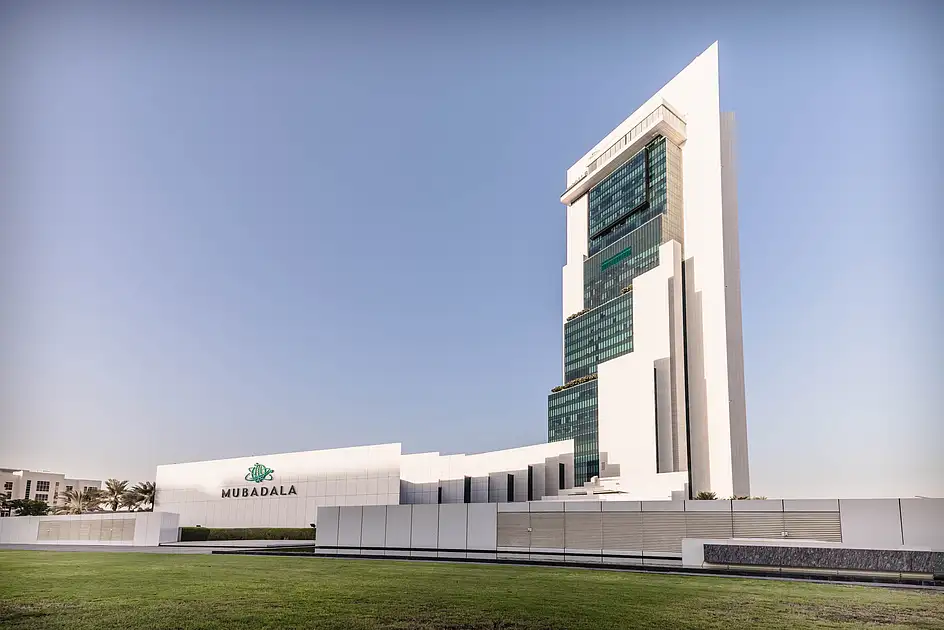

Mubadala Investment Company’s reported $385 billion in assets under management (AUM) for 2025, coupled with sustained annualized returns exceeding 10% over five and ten-year periods, underscores the accelerating financial power of Abu Dhabi’s sovereign wealth apparatus. This performance isn’t merely a reflection of market conditions; it signals a deliberate shift towards active portfolio management, evidenced by a 27% increase in proceeds from asset monetization, and a strategic recalibration of capital deployment – up 20% year-on-year – focused on sectors deemed critical for long-term economic diversification.
The continued prioritization of domestic investment, with nearly 25% of Mubadala’s portfolio allocated to the UAE, is particularly noteworthy. Increased exposure to entities like Aldar Properties demonstrates a commitment to bolstering Abu Dhabi’s real estate and infrastructure ecosystem, vital components of the emirate’s non-oil growth strategy. Simultaneously, the substantial 44% allocation to the United States highlights a continued appetite for mature market exposure, while the increasing weighting towards technology – specifically AI, semiconductors, and digital infrastructure – reflects a clear alignment with the UAE’s ambition to become a regional technology hub. This strategic asset allocation is mirrored across the broader Abu Dhabi sovereign wealth complex, estimated to manage upwards of $1.7 trillion, solidifying the emirate’s position as a global capital epicenter.
Beyond Mubadala and the Abu Dhabi Investment Authority (Adia), the emergence of ADQ and, more recently, L’imad, signifies a more nuanced and strategically directed approach to sovereign investment. These entities are increasingly functioning as industrial policy instruments, actively shaping national champions in key sectors like logistics, food security, and energy transition. This evolution, observed across the MENA region, moves sovereign wealth funds beyond passive capital allocation towards proactive ecosystem development, a trend highlighted by the International Forum of Sovereign Wealth Funds. The implications for regional infrastructure are significant, with increased capital flows directed towards projects supporting these strategic priorities.
Looking ahead, Abu Dhabi’s sovereign investors are poised to play an increasingly influential role in global investment trends. As geopolitical risks escalate and capital flows become more discerning, the disciplined and long-term investment horizon of these funds provides a stabilizing force. The focus on future-oriented sectors – AI, advanced manufacturing, and clean energy – not only strengthens the UAE’s economic resilience but also positions it as a key partner for international investors seeking exposure to these high-growth areas. This proactive approach will likely spur further regional investment and accelerate the diversification efforts of other MENA economies.