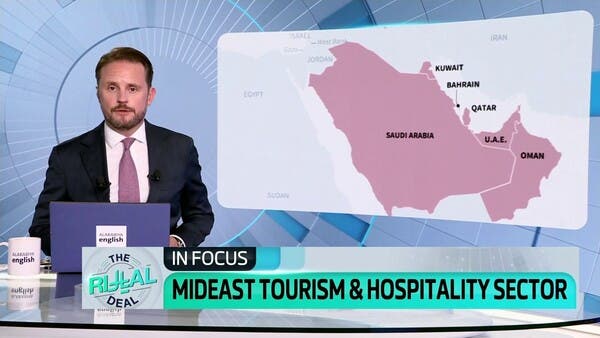

The Middle Eastern economic landscape faces unprecedented stress as geopolitical currents intensify. Centralized financial architectures, historically anchored on sovereign capital accumulation, now confront systemic vulnerabilities exposed by escalating tensions. Regional institutions must recalibrate frameworks to address cascading risks, ensuring stability amid conflicting priorities and resource constraints simultaneously. This transition necessitates a reconfiguration of strategic imperatives beyond immediate intervention.
Venture capital dynamics pivot sharply, favoring adaptive capital deployment in transitional projects while challenging traditional investment paradigms. Innovative funding mechanisms gain prominence to navigate fiscal fragmentation, yet reticence persists among mature capital centers. Consequently, localized policy misalignments risk destabilizing private-sector confidence, underscoring the criticality of harmonized regulatory alignment.
Infrastructure demands evolve in response to operational disruptions, heightening reliance on resilient development strategies. Resource allocation constraints compel prioritization of critical infrastructure corridors, intersecting with domestic spending reallocations. Such interdependencies necessitate coordinated planning to mitigate bottlenecks and sustain regional connectivity.
Long-term sustainability hinges on integrating sustainability mandates with immediate crisis management. Emerging infrastructure demands intersect with environmental resilience, requiring synergistic policy initiatives to address both legacy and future challenges. Proactive collaboration remains pivotal to mitigating cascading impacts across sectors.