
The geopolitical ramifications of the current instability in the Middle East and North Africa extend far beyond immediate conflict resolution, with reverberations felt across sovereign capital markets, venture capital flows, and critical infrastructure corridors. The fragile ceasefire, although a promising step, underscores the depth of entrenched regional tensions that threaten to reshape economic investment landscapes. European authorities, such as EU foreign policy chief Kaja Kallas, have emphasized that while the temporary halt in hostilities may alleviate some market volatility—particularly in oil markets—substantial sovereign and private capital exposure remains vulnerable to further escalation. The US-mediated two-week truce, while precarious, signals a mutual acknowledgment among both Washington and Tehran, but the critical path forward lies in substantive negotiations that address not just ceasefire terms, but enduring security guarantees and equitable access to vital waterways.
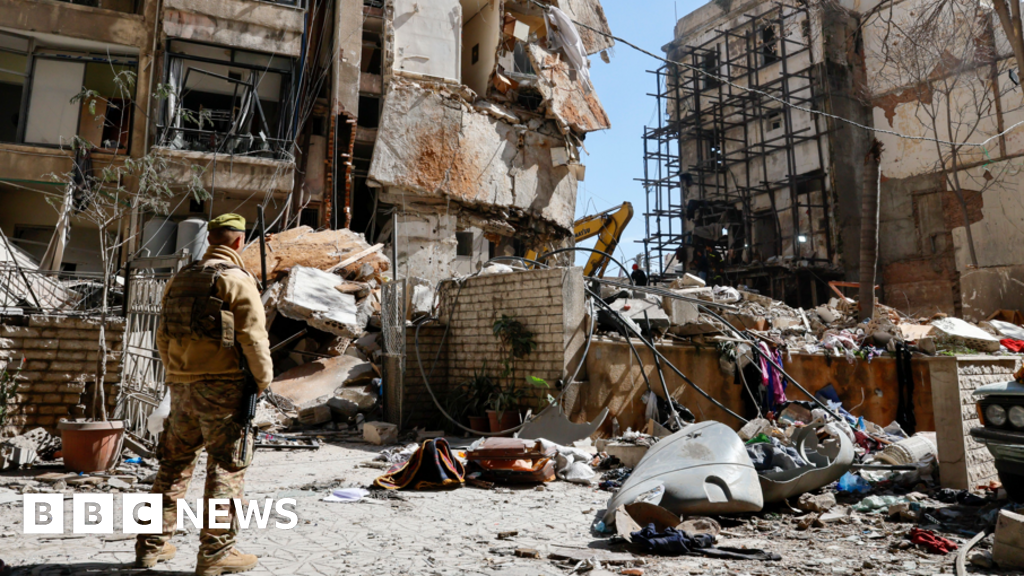
This juncture highlights the accelerating pivot of strategic alliances, with the EU and Gulf Cooperation Council states seeking synergistic collaboration to ensure energy security and maritime safety. The EU has responded to mounting regional demands by intensifying its coordination with Gulf partners, exemplified by tangible security measures such as air defense upgrades and intelligence sharing. These developments are indicative of a broader recalibration aimed at mitigating the multifaceted threats posed by Iranian military actions, which now manifest across drone strikes, missile launches, and sustained aggression on critical infrastructure. For investors and financiers, the message is clear: regional friction is becoming a material factor influencing investment risk assessments and long-term economic planning.
In this context, the global financial and technological sectors must remain acutely attuned to the dynamics at play. The strategic calculus is shifting, necessitating a heightened focus on sovereign stability and the continuity of trade routes—especially the Strait of Hormuz, a linchpin for global economic flow. Failure to institutionalize lasting cooperation risks deepening systemic disruptions, with ramifications that will test the resilience of both markets and international partnerships. The Middle East and North Africa’s future stability remains a critical fulcrum, demanding decisive leadership and cohesive strategic positioning from all regional and global stakeholders.