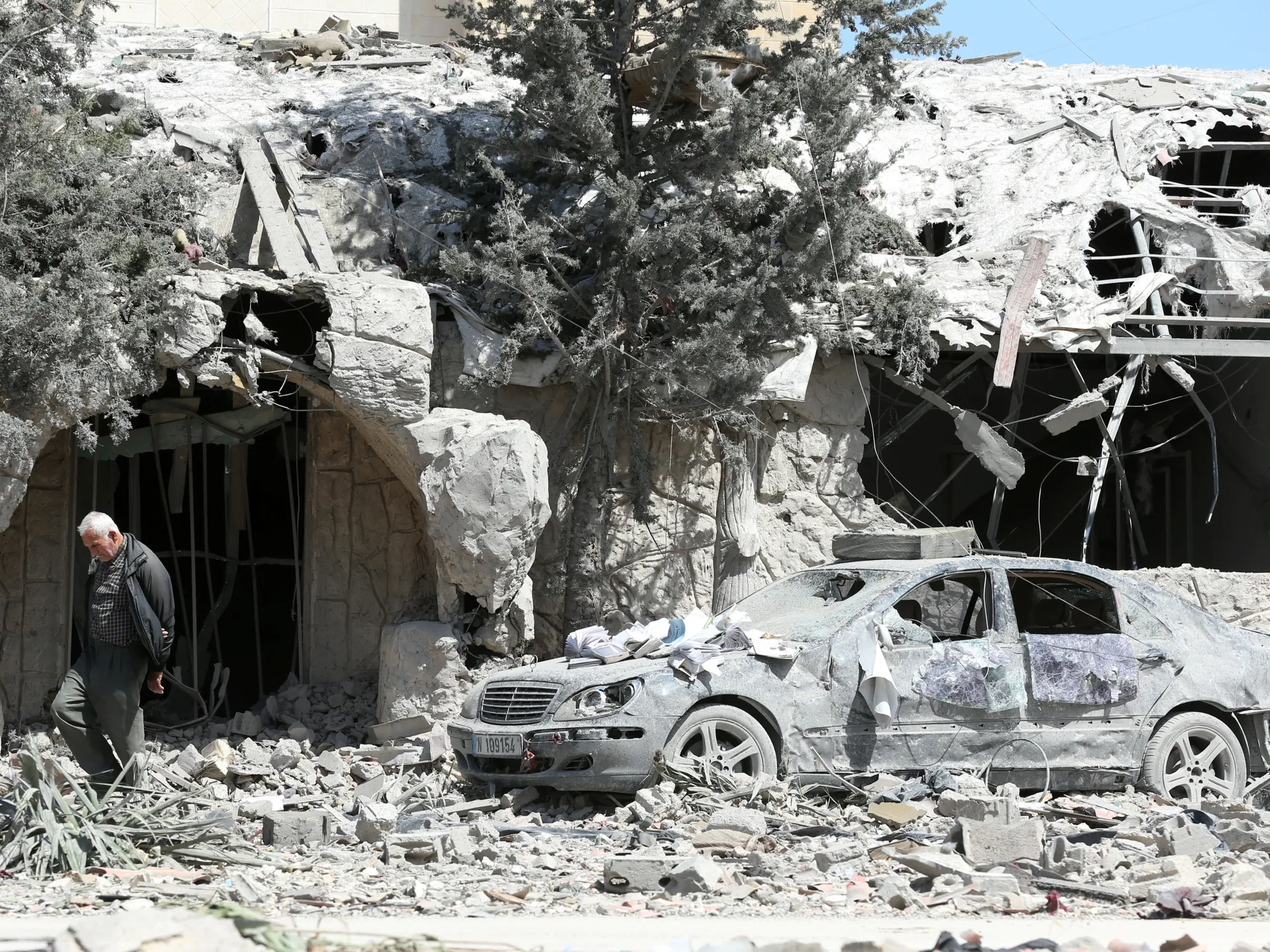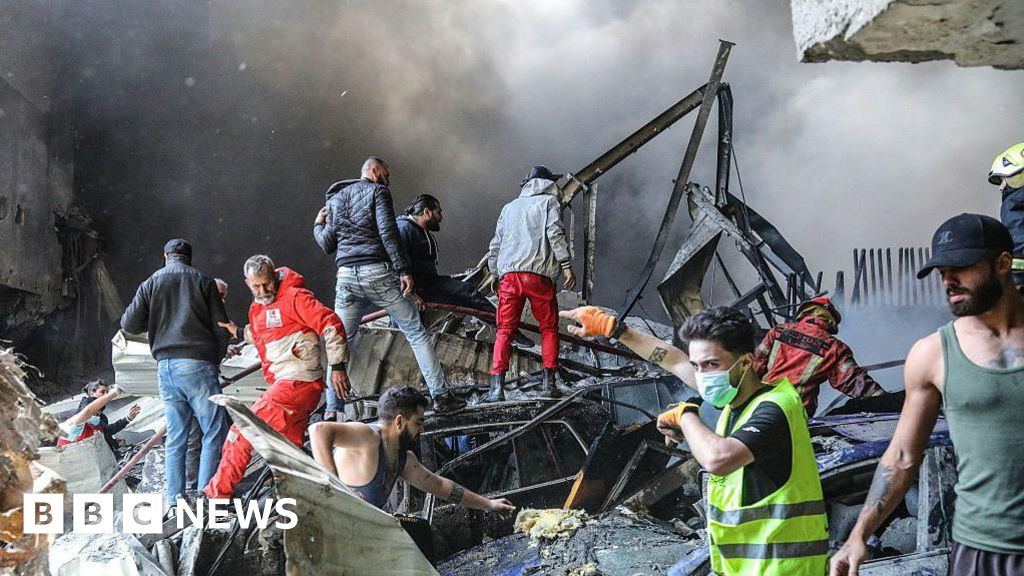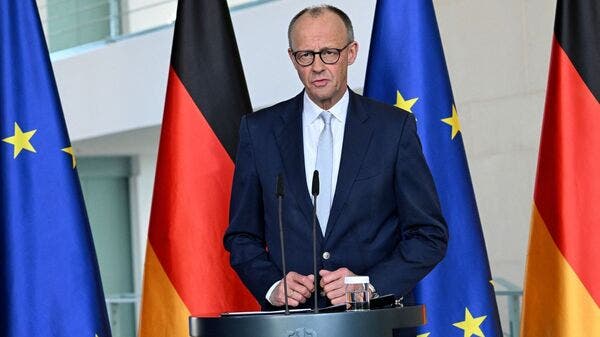

The escalating tensions surrounding the Israeli military operation in Lebanon and the broader geopolitical instability within the Middle East are presenting a significant, and potentially destabilizing, challenge to European strategic interests and, crucially, to the region’s nascent financial technology sectors. German Chancellor Friedrich Merz’s unequivocal statement regarding the imperative of maintaining NATO unity underscores a fundamental concern: a fractured transatlantic alliance would severely diminish the security umbrella vital for regional stability. This necessitates a reassessment of sovereign capital deployment strategies across the MENA region, with increased emphasis on bolstering defense and security-related investments alongside traditional economic development initiatives.
The potential derailment of US-Iran negotiations, directly linked to the intensity of the conflict in southern Lebanon, carries profound implications for regional financial flows. Venture capital investment, already demonstrating cautious optimism following recent stabilization, could face renewed volatility. Specifically, sectors reliant on cross-border trade and logistics – including fintech platforms facilitating international payments and digital supply chain solutions – are particularly vulnerable. Furthermore, sovereign wealth funds, traditionally key drivers of growth in countries like Saudi Arabia and the UAE, will likely prioritize risk mitigation, potentially diverting capital away from high-growth, high-risk tech ventures and towards more secure, established industries. The Hormuz Strait chokepoint, highlighted in recent diplomatic reports, represents a critical vulnerability demanding heightened security and logistical resilience, impacting related digital infrastructure investments.
The ongoing conflict is exacerbating existing infrastructure vulnerabilities across the MENA landscape. Reliable digital connectivity, a cornerstone of modern economic development, is increasingly threatened by disruptions to telecommunications networks and power grids. This necessitates accelerated investment in redundant systems and localized data centers – a trend already observed but now dramatically amplified. Moreover, the need for secure, resilient digital payment systems is paramount, not just for domestic transactions but also for facilitating trade amidst heightened geopolitical uncertainty. Sovereign entities must actively support the development of these critical infrastructure components, recognizing them as essential for maintaining economic activity and attracting foreign investment in the face of escalating instability.
Germany’s resumption of direct talks with Iranian leadership represents a tentative, albeit fragile, step towards de-escalation. However, the underlying strategic dynamics remain deeply complex. The long-term impact on regional financial markets will depend heavily on the outcome of these negotiations and the broader trajectory of the conflict. Policymakers across the MENA region must adopt a proactive, multi-faceted approach, prioritizing diversification, strengthening regional security partnerships, and strategically leveraging technology to build resilient economies capable of weathering future shocks. Failure to do so risks further fragmentation and a prolonged period of economic stagnation.