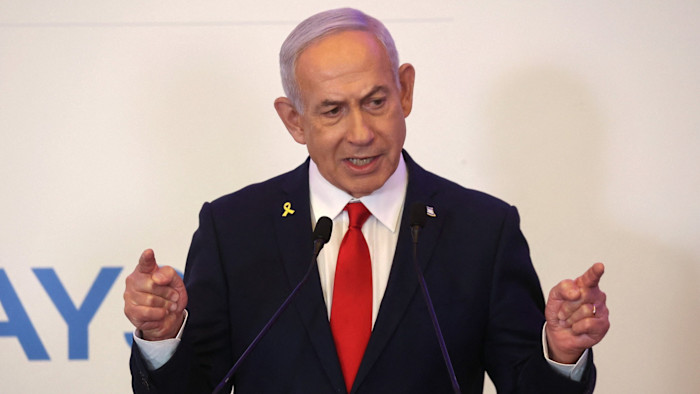

The abrupt recalibration of US-Israeli military calculus in Lebanon, triggered by direct presidential intervention, introduces profound uncertainty into regional investment flows and infrastructure planning. Gulf sovereign wealth capital, which has steadily deployed over $100 billion into MENA equity and infrastructure since 2022, now faces a critical juncture. Saudi Vision 2030 and UAE economic diversification strategies depend on regional stability to accelerate large-scale projects like NEOM and Mohamed Bin Zayed City; renewed conflict volatility risks derailing these timelines and redirecting capital into safer, non-regern sovereign instruments. Simultaneously, the sudden diplomatic pivot creates a temporary arbitrage window for select Gulf VCs to position portfolios for post-conflict reconstruction opportunities in Lebanon, particularly in resilient sectors like logistics, energy, and digital infrastructure, provided de-escalation holds.
The strategic exclusion of Lebanon from the initial US-Iran ceasefire framework underscores complex geopolitical fault lines that directly impact venture capital risk calculus across the region. Israeli defense technology firms may experience accelerated VC funding rounds given the demonstrable efficacy of their platforms, while Lebanese startups – already grappling with a collapsed economy – face existential threats from infrastructure degradation and talent displacement. Regional VCs, including Saudi Savvy and Abu Dhabi’s $18 billion technology fund, will likely recalibrate MENA exposure, increasing allocations to conflict-resistant UAE and Jordanian ecosystems while awaiting clarity on Lebanon’s reconstruction trajectory. The Washington-sponsored talks, if substantive, could unlock international development funding critical for rebuilding Lebanon’s critical trade corridors and digital backbone, catalyzing opportunities for GCC engineering conglomerates.
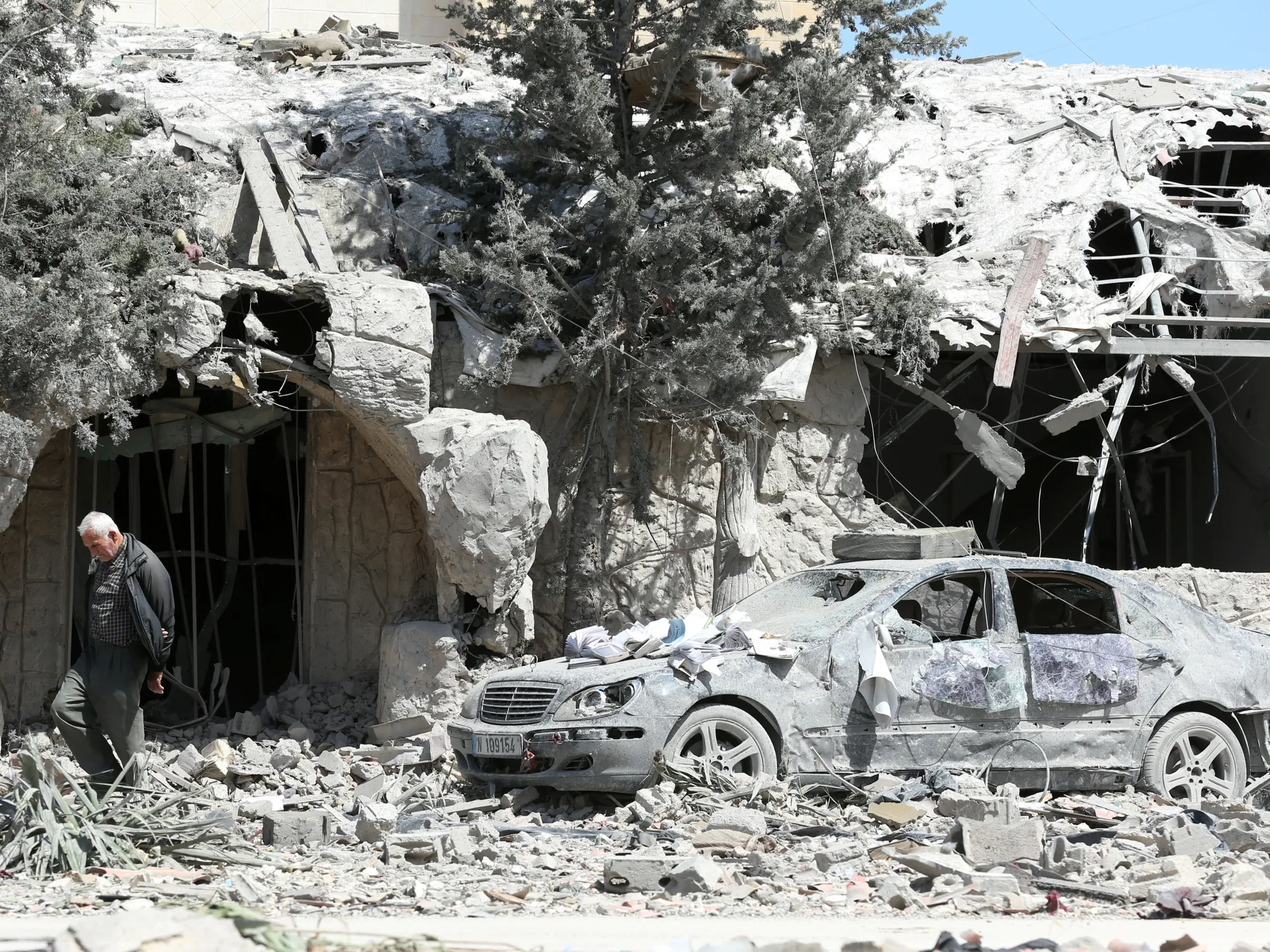
Israel’s establishment of a buffer zone in southern Lebanon presents immediate humanitarian consequences alongside long-term implications for regional infrastructure integrity and labor markets. The displacement of Lebanese communities and potential fragmentation of industrial zones threaten to unravel Lebanon’s nascent, though fragile, services economy, which underpins significant regional remittance flows into neighboring Jordan and Egypt. The militarized zone may necessitate fundamental redesigns of cross-border energy pipelines and fiber-optic networks, creating both costly disruptions and lucrative contracting opportunities for Emirati and Turkish construction firms. For MENA sovereign wealth architects, the episode reinforces the imperative of integrating conflict scenario modeling into infrastructure debt instruments, potentially accelerating the launch of GCC-backed regional stabilization funds that prioritize critical infrastructure resilience over traditional equities.