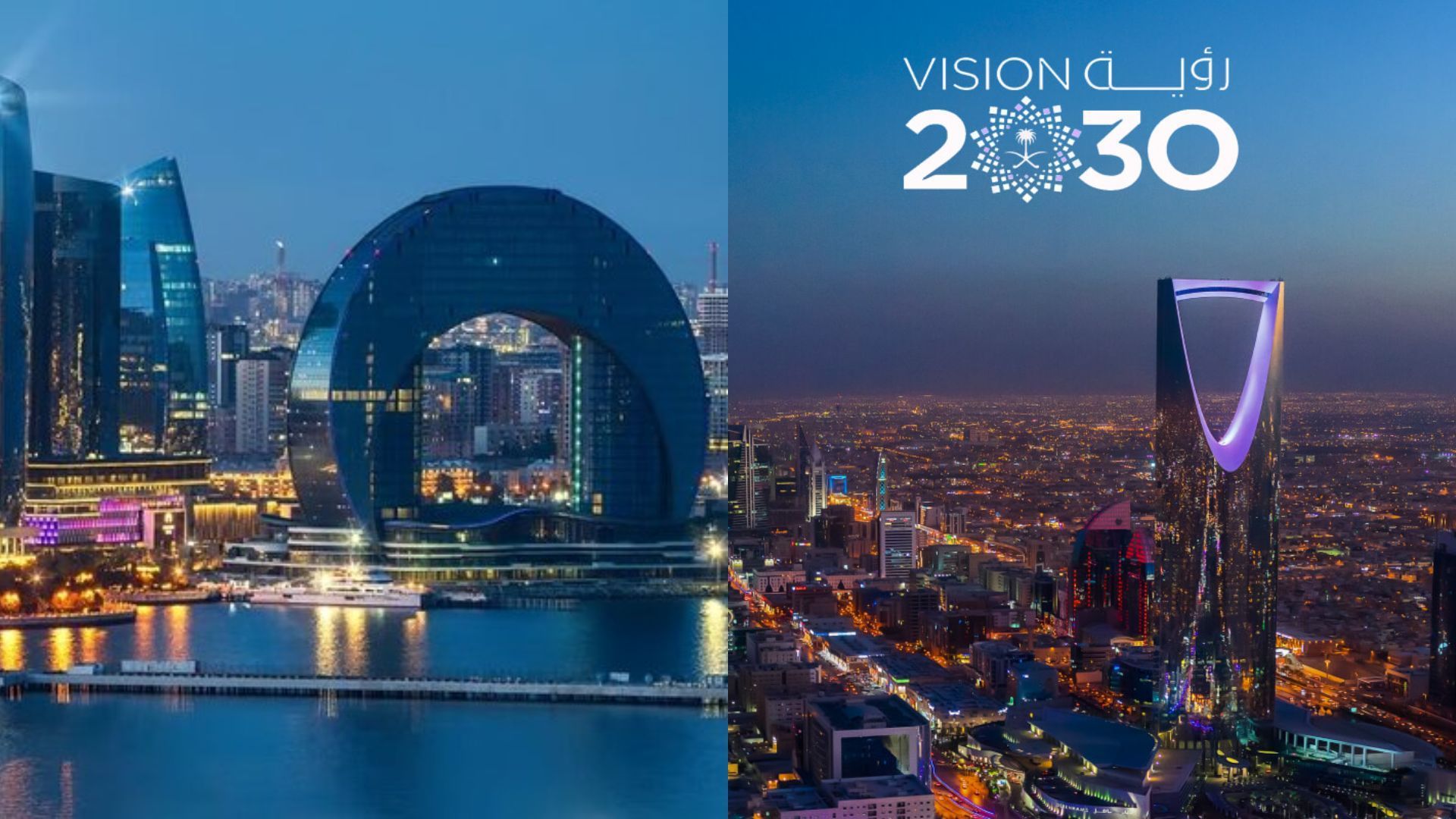

Saudi Arabia’sVision 2030 represents a transformative recalibration of the Gulf’s economic architecture, with profound implications for sovereign capital allocation and regional business dynamics. By prioritizing non-oil diversification, the Kingdom is leveraging its strategic capital base—bolstered by sovereign wealth funds—to attract global institutional and private investments. This shift is not merely a fiscal necessity but a calculated move to anchor Saudi Arabia as a cornerstone of Middle East-North Africa (MENA) venture capital ecosystems. The program’s focus on privatizing state assets, enhancing regulatory frameworks, and fostering public-private partnerships creates a fertile ground for venture capital infiltration, particularly in sectors like renewable energy, fintech, and smart infrastructure. Moreover, Azerbaijan’s burgeoning role as an outward investment hub—reflected in its $15.789 million surge in FDI to Saudi Arabia—underscores a strategic divergence in regional capital flows. While Azerbaijan’s outward FDI growth (43.4%) signals a recalibration toward high-growth MENA markets, its foreign investment share remains modest, indicating untapped potential for Saudi investors seeking diversification beyond traditional oil-linked portfolios. The synergy between these two economies lies in their complementary strengths: Saudi Arabia’s financial muscle and Vision 2030’s innovation mandates, paired with Azerbaijan’s strategic geographic location and emerging infrastructure assets.
The regional infrastructure imperative is a critical lever in this economic symbiosis, with both nations investing heavily in sectors that redefine MENA’s logistical and digital landscape. Saudi Arabia’s push for industrial parks and logistics hubs, coupled with Azerbaijan’s development of smart cities and Middle Corridor connectivity, positions them as linchpins for pan-regional trade and digital integration. Infrastructure arbitrage opportunities—such as leveraging Azerbaijan’s lower-cost construction ecosystems and Saudi Arabia’s vast capital—could catalyze cross-border projects in transportation, energy, and digital infrastructure. This aligns with broader sovereign capital strategies, where states increasingly prioritize infrastructure as both a growth driver and a geopolitical asset. Furthermore, venture capital flows into these initiatives are likely to accelerate as regions like Karabakh and Eastern Zangezur become focal points for speculative and strategic investments. The convergence of Saudi Arabia’s capital intensity and Azerbaijan’s emerging market dynamics could disrupt traditional investment paradigms in MENA, fostering a new era of high-yield, infrastructure-linked ventures.
At the heart of this partnership is a long-term shift toward knowledge-based economies, where sovereign capital moves beyond transactional investments to build enduring institutional frameworks. Saudi Arabia’s alignment with Azerbaijan’s technological and digital transformation creates a blueprint for sovereign wealth collaboration—pooling resources to fund innovation hubs, AI-driven solutions, and green energy projects. This is not incidental; it reflects a broader trend in MENA where sovereign capital is increasingly deployed to catalyze regional tech ecosystems. Venture capital, once confined to frontier markets, is now being directed toward strategic corridors where geopolitical and technological advantages converge. Azerbaijan’s emerging role as a nexus for digital and smart infrastructure, supported by Saudi software and business process outsourcing expertise, illustrates how regional partnerships can amplify capital efficiency. The success of this model will hinge on surmounting regulatory and cultural barriers, but the stakes are high: as oil diversification deepens and global capital seek stable, high-growth destinations, the Saudi-Azerbaijani axis could emerge as a defining axis of MENA’s economic future, reshaping sovereign capital flows and venture investment trajectories alike.