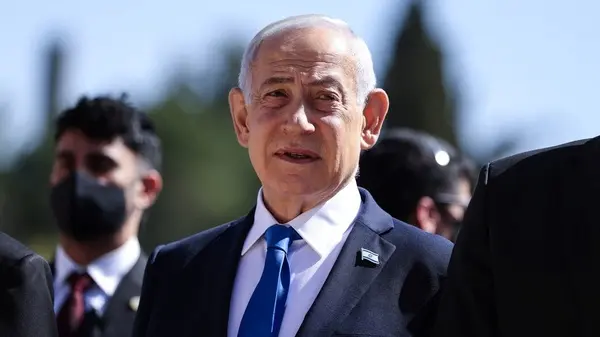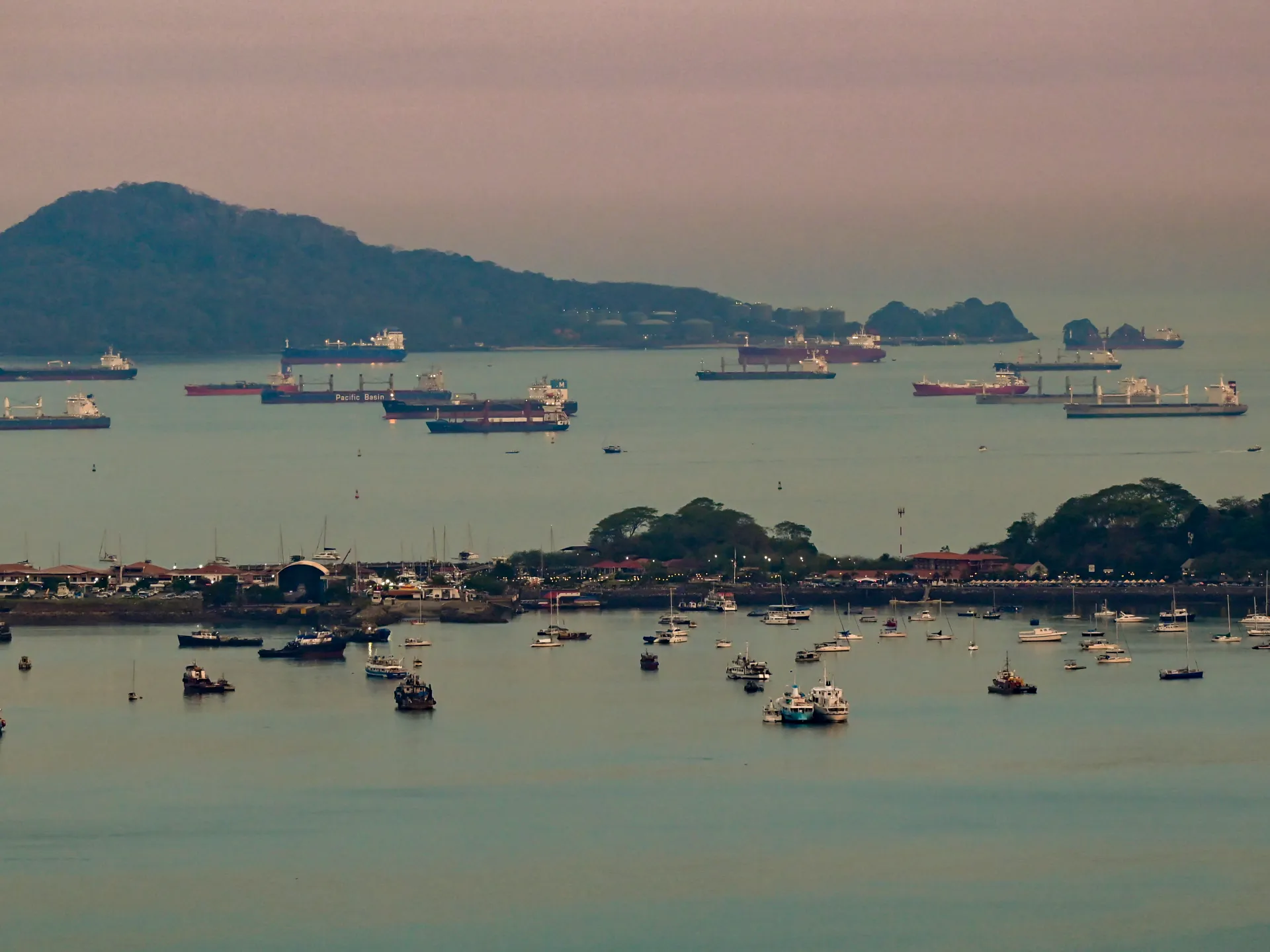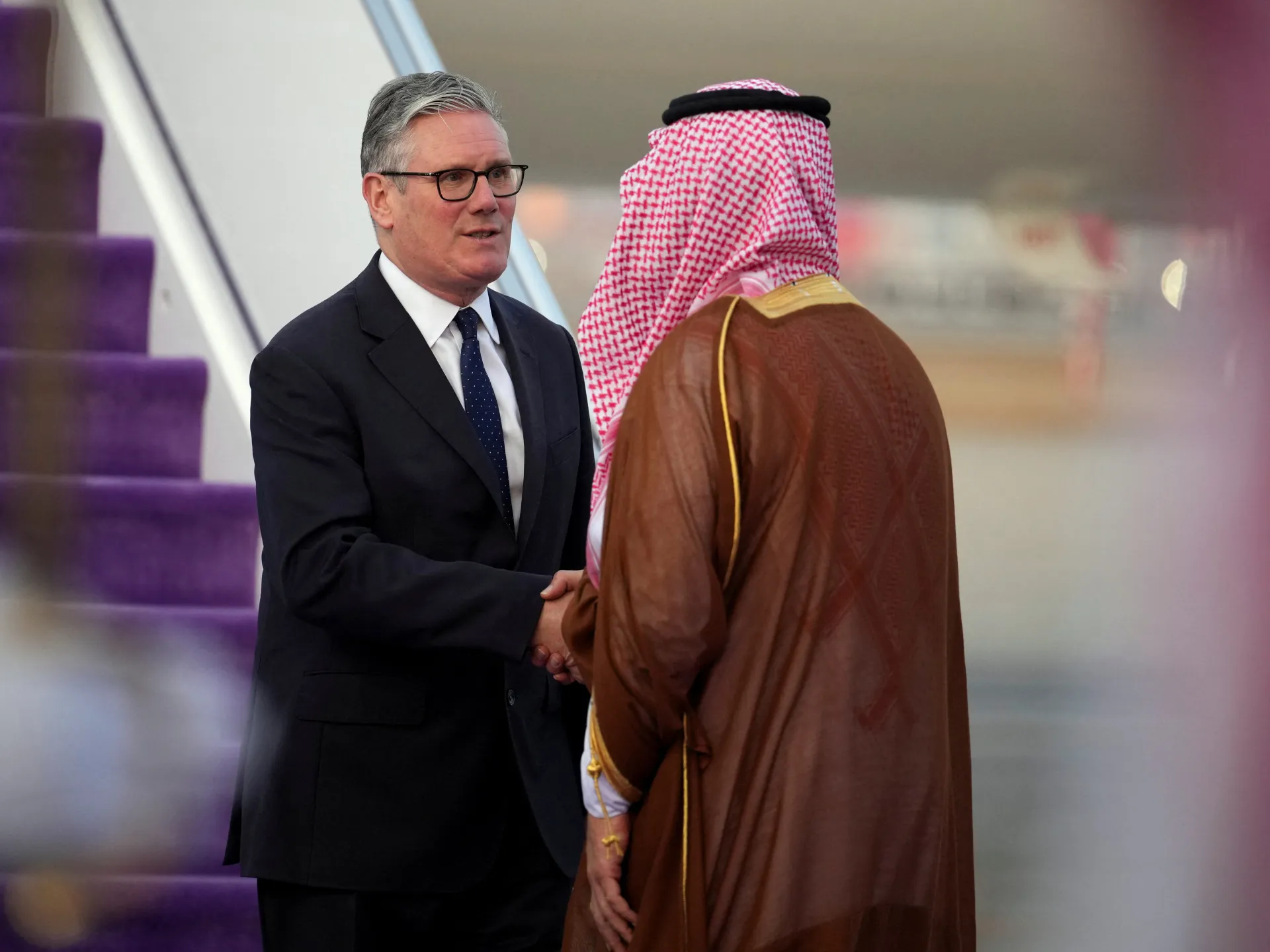

British Prime Minister Keir Starmer’s Doha stop, the culminating point of a Gulf tour that also encompassed Riyadh, Abu Dhabi, and Manama, underscored the growing strategic calculus of Middle‑East sovereign wealth funds (SWFs) and venture capital houses in the wake of escalating geopolitical risk around the Strait of Hormuz. By positioning the United Kingdom as a conduit for a renewed US‑Iran de‑escalation, Starmer is effectively courting Gulf capital to underwrite infrastructure projects that can safeguard and diversify energy export routes. The implied message to Qatar Investment Authority, Saudi Arabia’s Public Investment Fund and Abu Dhabi’s Mubadala is clear: the restoration of uninterrupted oil and gas flows is a prerequisite for unlocking the next wave of cross‑border financing for downstream logistics, digital trade corridors and resilient maritime infrastructure.
For the region’s venture ecosystem, the diplomatic overture translates into a near‑term injection of risk‑adjusted capital aimed at bridging the financing gap for high‑growth tech firms that can monitor, predict and mitigate supply‑chain disruptions. Gulf‑backed venture funds such as Wadi Al‑Malki and BECO Capital are poised to accelerate fintech, AI‑driven energy analytics and maritime‑IoT startups that promise to modernise the hydrocarbon value chain. In a market where sovereign investors increasingly demand ESG‑linked returns, these tech‑enabled solutions are likely to become a condition of capital allocation, nudging entrepreneurs toward scalable, low‑carbon innovations.
From an infrastructure standpoint, the renewed focus on the Hormuz corridor is prompting sovereign sponsors to fast‑track multi‑modal projects that reduce reliance on single‑point chokepoints. The United Arab Emirates and Saudi Arabia have already signalled intent to co‑fund a joint “Red Sea‑Gulf” logistics hub, integrating deep‑water ports, rail links to inland refineries and digital twin platforms for real‑time traffic management. Such initiatives are expected to attract a consortium of international lenders, including the Asian Development Bank and European Investment Bank, thereby diversifying the funding mix beyond traditional oil‑linked sovereign loans.
In sum, Starmer’s diplomatic outreach is being interpreted by regional financiers as a catalyst for a broader realignment of sovereign capital towards resilient energy infrastructure and tech‑driven venture pipelines. The convergence of geopolitical stability, sovereign wealth mobilisation and venture financing is set to reshape the MENA investment landscape, reinforcing the Gulf’s role as both a conduit for global energy supplies and an incubator for next‑generation digital enterprises.