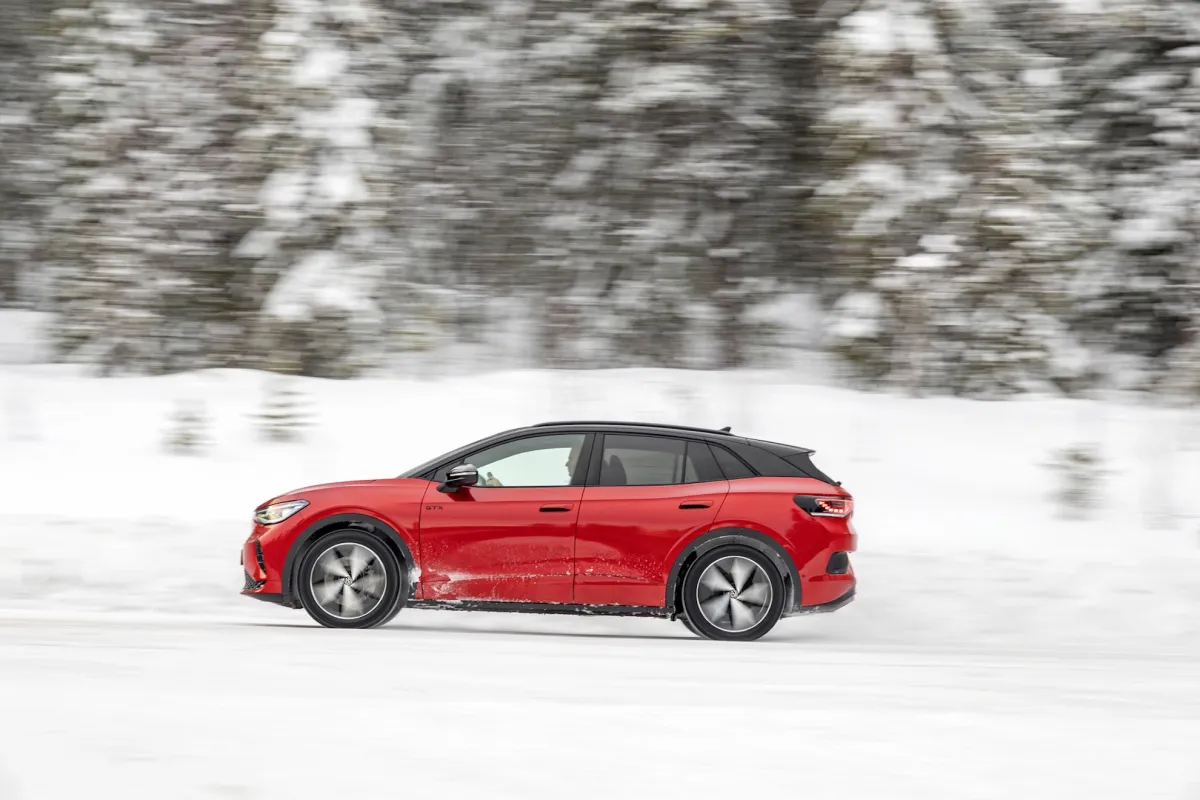

Volkswagen’s decision to discontinue production of the ID.4 at its Chattanooga, Tennessee facility represents a significant, and potentially unsettling, recalibration within the global automotive landscape, with far-reaching implications for the Middle East and North Africa’s burgeoning investment strategies and technological ambitions. The shift towards prioritizing high-volume internal combustion engine (ICE) vehicles, particularly the Atlas SUV, underscores a broader reassessment of EV market realities following overly optimistic forecasts and the subsequent impact of policy changes, notably the reduction in U.S. federal tax credits. This decision directly impacts the anticipated trajectory of sovereign wealth funds (SWFs) and private equity firms increasingly allocating capital to automotive manufacturing and battery technology – investments predicated, in many cases, on the rapid electrification of vehicle fleets.
The immediate business impact for the MENA region is multifaceted. Countries like Saudi Arabia, the UAE, and Morocco, which have actively pursued automotive localization initiatives and attracted foreign investment in EV manufacturing, will need to re-evaluate their strategic priorities. The delay in U.S. EV adoption, coupled with Volkswagen’s strategic pivot, suggests a longer-term timeline for widespread electrification than previously projected. This necessitates a more cautious approach to sovereign capital deployment, potentially diverting resources towards established automotive sectors and bolstering domestic manufacturing capabilities focused on ICE vehicles. Furthermore, the potential for reduced demand for battery components – a critical element in regional supply chains – warrants careful monitoring and a diversification of sourcing strategies.
Beyond sovereign investment, the decision highlights vulnerabilities within the venture capital ecosystem supporting EV startups in the region. Early-stage investments in charging infrastructure, battery technology, and related services, largely fueled by optimistic projections, may now require a reassessment. While the MENA region remains a compelling market for automotive innovation – driven by urbanization, rising disposable incomes, and a push for sustainable transportation – the Volkswagen move signals a need for a more pragmatic and data-driven approach to technological adoption. Regional infrastructure development, particularly in charging networks, will need to adapt to a potentially slower transition, demanding a more nuanced understanding of consumer behavior and localized market dynamics.
Despite the setback, Volkswagen’s commitment to the Chattanooga plant, now focused on the Atlas SUV, indicates a continued strategic presence in the U.S. market. The potential return of an ID.4 variant, contingent on affordability and a revised market strategy, remains a possibility. However, the broader implications for the MENA region are clear: the accelerated electrification narrative has been tempered. Policymakers and investors must now prioritize resilience, diversification, and a more grounded assessment of technological adoption timelines, recognizing that the path to a fully electrified automotive future will be characterized by measured progress rather than a rapid, transformative shift.