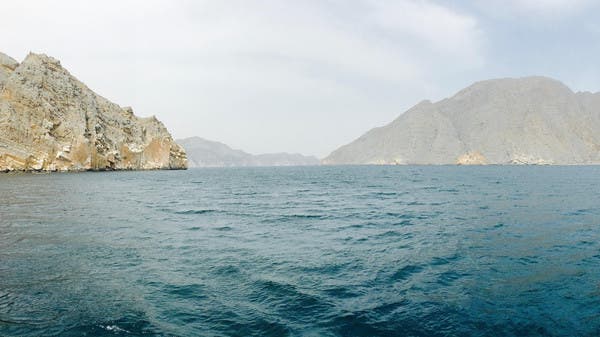

Recent maritime traffic data through the Strait of Hormuz, indicating a sustained flow of vessels linked to Iranian interests despite the temporary ceasefire agreement between Tehran and Washington, presents a complex picture for regional financial stability and infrastructure investment. While the two-week cessation of hostilities has ostensibly reduced immediate tensions, the continued operational activity – specifically the movement of crude oil tankers, bunkering vessels, and dry bulk carriers transporting commodities like iron ore – underscores Iran’s persistent role as a key player in global energy and trade flows. This ongoing activity necessitates a reassessment of risk premiums associated with shipping routes and insurance costs, potentially impacting the profitability of regional ports and logistics providers.
The business impact extends beyond purely maritime concerns. Sovereign wealth funds across the GCC, particularly those with significant investments in energy infrastructure and logistics, are closely monitoring the situation. A prolonged or renewed escalation of tensions could trigger further volatility in oil prices, directly affecting the returns on these portfolios. Furthermore, the uncertainty surrounding the Strait of Hormuz’s security is likely to dampen investor appetite for large-scale infrastructure projects in the region, including planned expansions of port facilities and pipeline networks. Venture capital firms focused on maritime technology and cybersecurity solutions servicing the shipping industry are also facing increased scrutiny, as the long-term viability of their business models hinges on a stable geopolitical environment.
The strategic implications for regional infrastructure are considerable. The data highlights the vulnerability of the Strait of Hormuz, a critical chokepoint for global oil supply, and reinforces the need for diversification of energy transport routes. This includes accelerating the development of alternative pipelines, such as the East-West pipeline project, and exploring investments in LNG infrastructure to reduce reliance on seaborne crude shipments. Sovereign capital is expected to play a pivotal role in financing these initiatives, alongside potential partnerships with international infrastructure funds. However, the current climate demands a cautious approach, with a greater emphasis on resilience and redundancy in infrastructure planning to mitigate the risks associated with geopolitical instability.
Ultimately, the sustained maritime activity through the Strait of Hormuz, even during a ceasefire, serves as a stark reminder of the region’s inherent geopolitical risks. While the temporary lull in tensions provides a window of opportunity for strategic planning and infrastructure development, it does not negate the underlying vulnerabilities. Prudent financial management by regional institutions, coupled with a proactive approach to diversifying energy transport routes and bolstering cybersecurity defenses, will be crucial to safeguarding the long-term economic stability of the MENA region.