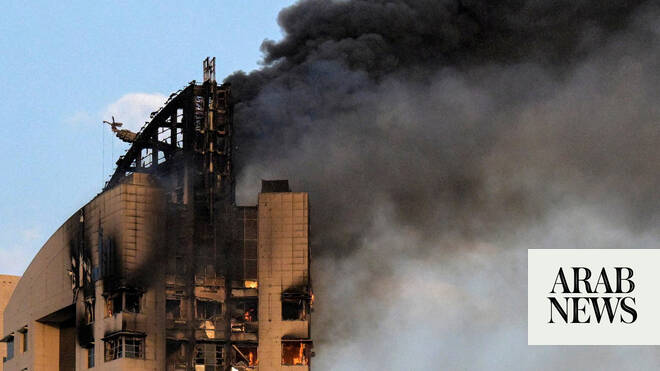

The recent escalation of kinetic threats against Kuwaiti and Bahraini critical infrastructure underscores a systemic geopolitical risk that threatens to destabilize the Gulf’s burgeoning economic corridors. As Kuwait reports drone strikes on vital facilities and Bahrain contends with a sustained campaign of nearly 700 missile and drone incursions since late February, the regional security architecture is facing a stress test. For institutional investors and sovereign wealth funds (SWFs) deeply integrated into the GCC’s diversification agendas, these disruptions represent more than mere tactical skirmishes; they are direct challenges to the continuity of the physical and digital infrastructure necessary for the region’s “post-oil” transition.
From a capital markets perspective, the volatility introduced by Iranian-proxy aggression complicates the risk premium for large-scale foreign direct investment (FDI) and regional venture capital deployments. While the UAE has observed a temporary lull in activity, the sheer scale of intercepted assets—including over 2,000 drones diverted by Emirati defenses—highlights the massive capital expenditure required to maintain national security. This necessitates a continuous diversion of fiscal resources toward defense technology and aerospace procurement, potentially competing with sovereign mandates for long-term infrastructure and technology-driven economic diversification projects.
The business implications extend downstream to the logistics and energy sectors, where the integrity of supply chains remains hyper-sensitive to regional stability. Any sustained degradation of air and maritime security will likely trigger a recalibration of insurance premiums for regional trade and increase the cost of capital for infrastructure-heavy industries. As diplomatic efforts intensify in Islamabad, the ability of GCC states to maintain a stable security environment will be the primary determinant of whether the region can successfully transition from a high-risk zone to a global hub for technology, logistics, and institutional finance.