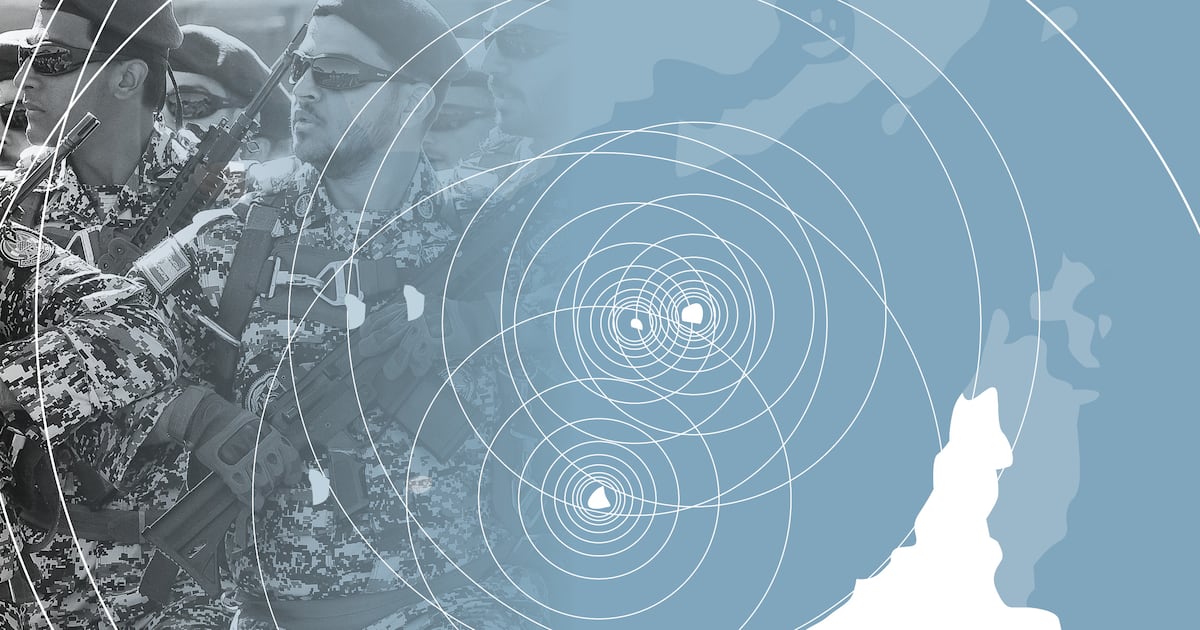

Unresolved territorial disputes, such as the UAE’s ongoing claim over Abu Musa and the Tunbs, are not merely historical footnotes but living stressors reshaping the economic and geopolitical calculus of the Middle East and North Africa (MENA). For investors and policymakers alike, the strategic imperative of securing maritime chokepoints like the Strait of Hormuz—through which 20% of global seaborne oil transits—cannot be separated from the legal legitimacy of territorial sovereignty. The UAE’s decades-long insistence on adjudicating this claim underscores a broader truth: unaddressed sovereignty issues compound capital flight risks, erode institutional credibility, and diverge scarce sovereign and private capital toward defensive measures rather than growth-oriented ventures. When international law is sidelined for expediency, it creates a false sense of “contained” disputes that metastasize into systemic vulnerabilities, as evidenced by recent Iranian maneuvers in the strait and escalating cross-border hostilities. These dynamics directly impact MENA’s business environment, where stability is the sine qua non of attracting venture capital, legitimizing sovereign debt, and underpinning regional infrastructure megaprojects.
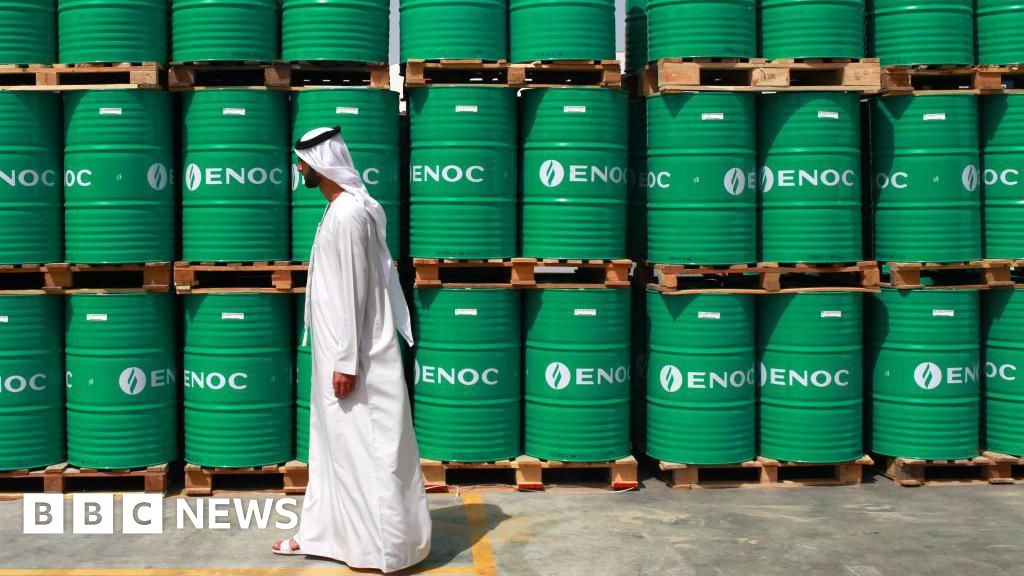
Sovereign capital, particularly in the GCC, is inextricably linked to strategic assets and border security. The UAE’s ownership of key infrastructure projects, from nuclear energy facilities to ports and renewable hubs, is both a deterrent and a financing tool tied to territorial integrity. However, unresolved disputes like that of Abu Musa distort policy priorities, diverting sovereign wealth funds from innovation ecosystems to security contingencies. For instance, infrastructure investments in high-risk regions struggle to compete in capital markets, as risk premiums widen and insurance costs balloon. This is not abstract theory: the UAE’s adjacent ventures in desalination, green hydrogen, and smart cities face headwinds as global investors demand clarity on geopolitical risks that sovereign instability perpetuates. Without a credible legal resolution, sovereign capital flows risk becoming trapped in a cycle of crisis management, undermining the very development narratives these states champion.
Venture capital in the MENA region remains hindered by institutional unease fueled by such disputes. The GCC’s decoupling from global tech supply chains and reliance on autarkic innovation models highlight a deeper malaise: an entrepreneurial landscape where capital is siphoned into territorial defense rather than disruptive technologies. Startups competing for limited funding pools face existential challenges when talent and expertise flee regions perceived as unstable. Furthermore, cross-border collaboration—the backbone of innovation—is stifled when legal ambiguities cloud trust. Compare this to jurisdictions like Singapore or Dubai’s International Financial Centre, where arbitration frameworks and unfettered access to international courts signal reliability to global capital. Until the UAE’s sovereignty over strategic territories is legally cemented, even audacious tech ventures—from AI-driven logistics to satellite-based security monitoring—remain hostage to uncertainty.
The regional infrastructure implications are equally stark. The UAE’s vision of a hyperconnected, energy-secure future—embodied in projects like Masdar City or the expansion of Khalifa Port—hinges on uninterrupted trade flows and predictable legal frameworks. Yet, prolonged territorial disputes escalate operational costs for infrastructure stakeholders. Shipping firms reroute around the strait or inflate cargo insurance to account for piracy and drone strikes, a cost borne ultimately by consumers and investors. Moreover, regional coordination on energy transition infrastructure—such as hydrogen pipelines or cross-border solar grids—demands political trust that is frayed by unreconciled sovereignty claims. The irony is clear: while MENA’s sovereign states tout themselves as pioneers of infrastructure-led growth, the failure to resolve conflicts like the Abu Musa dispute fractures the interstate cooperation vital to scaling these ambitions, leaving the region’s physical and financial infrastructure exposed to further shocks.